
Last updated November 3, 2026
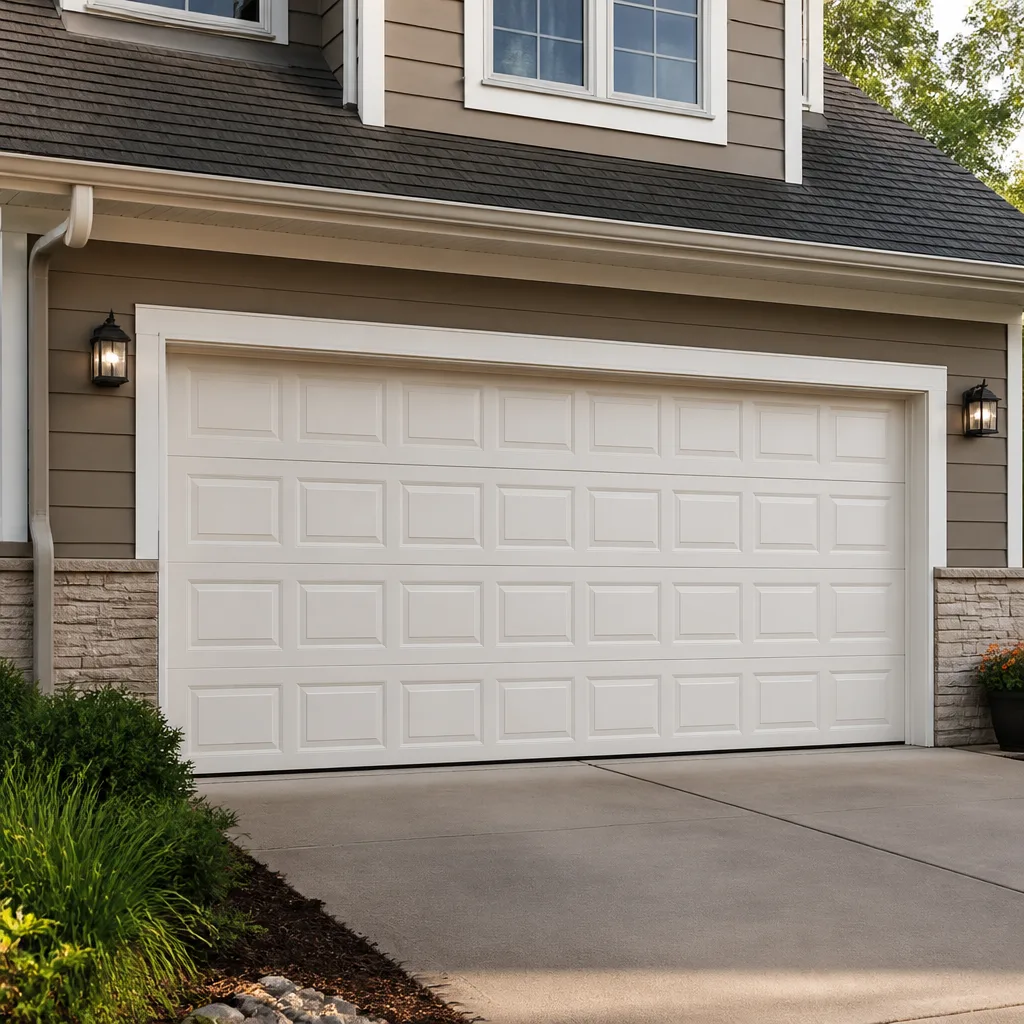 Raised-panel steel
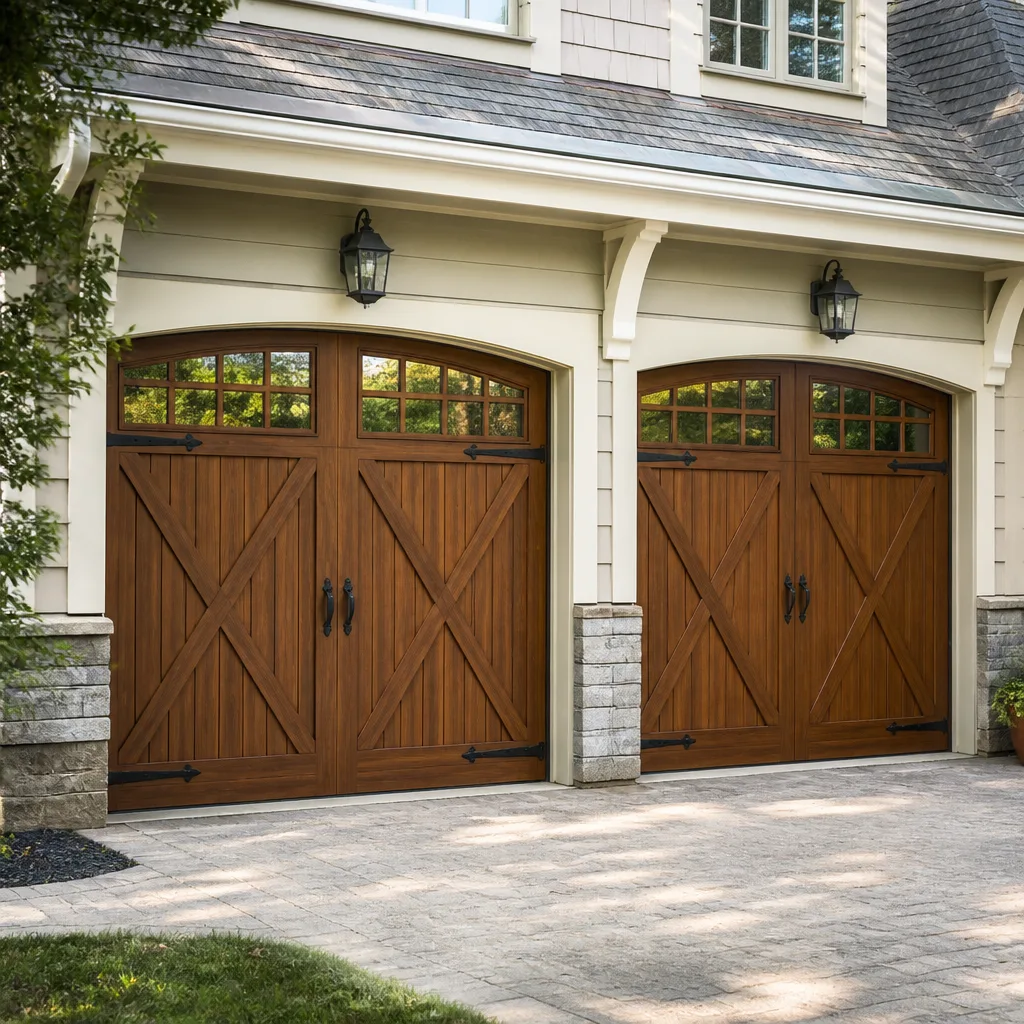 Carriage house
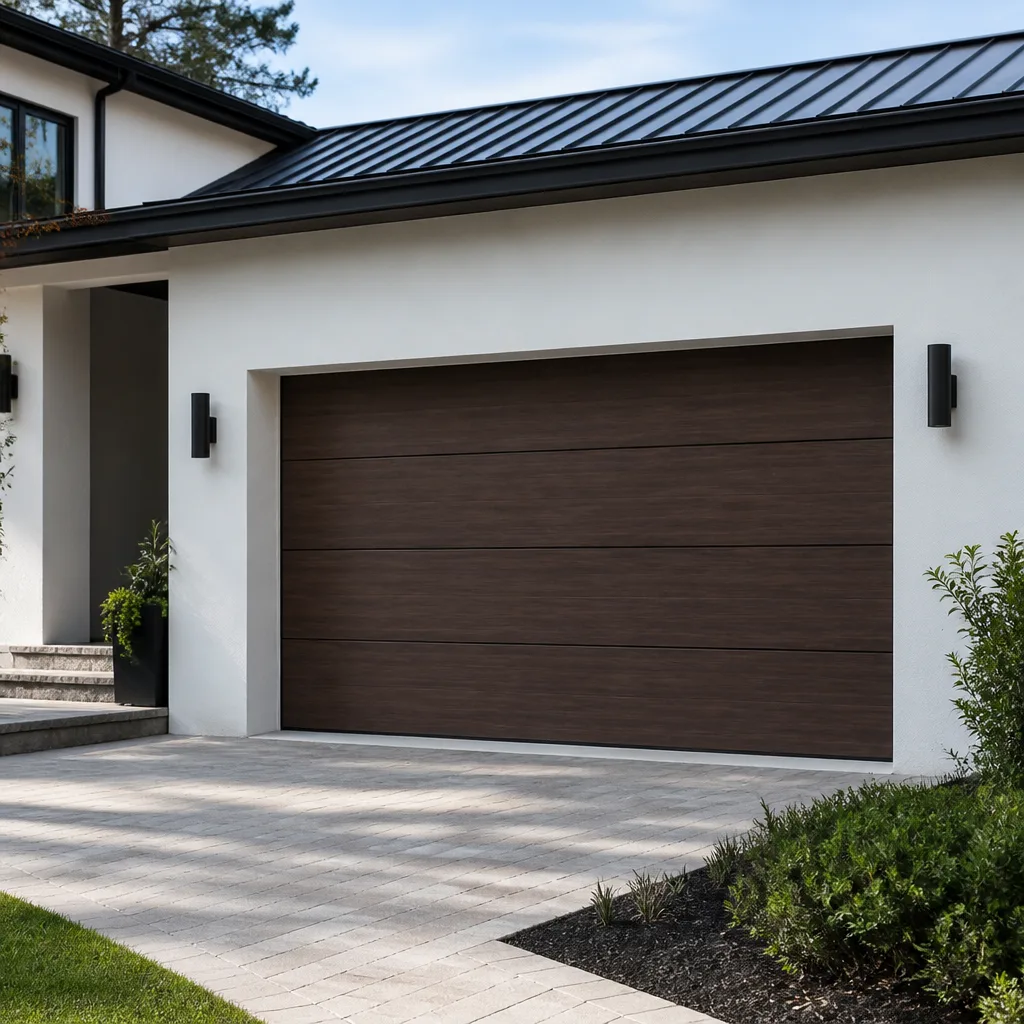 Modern flush
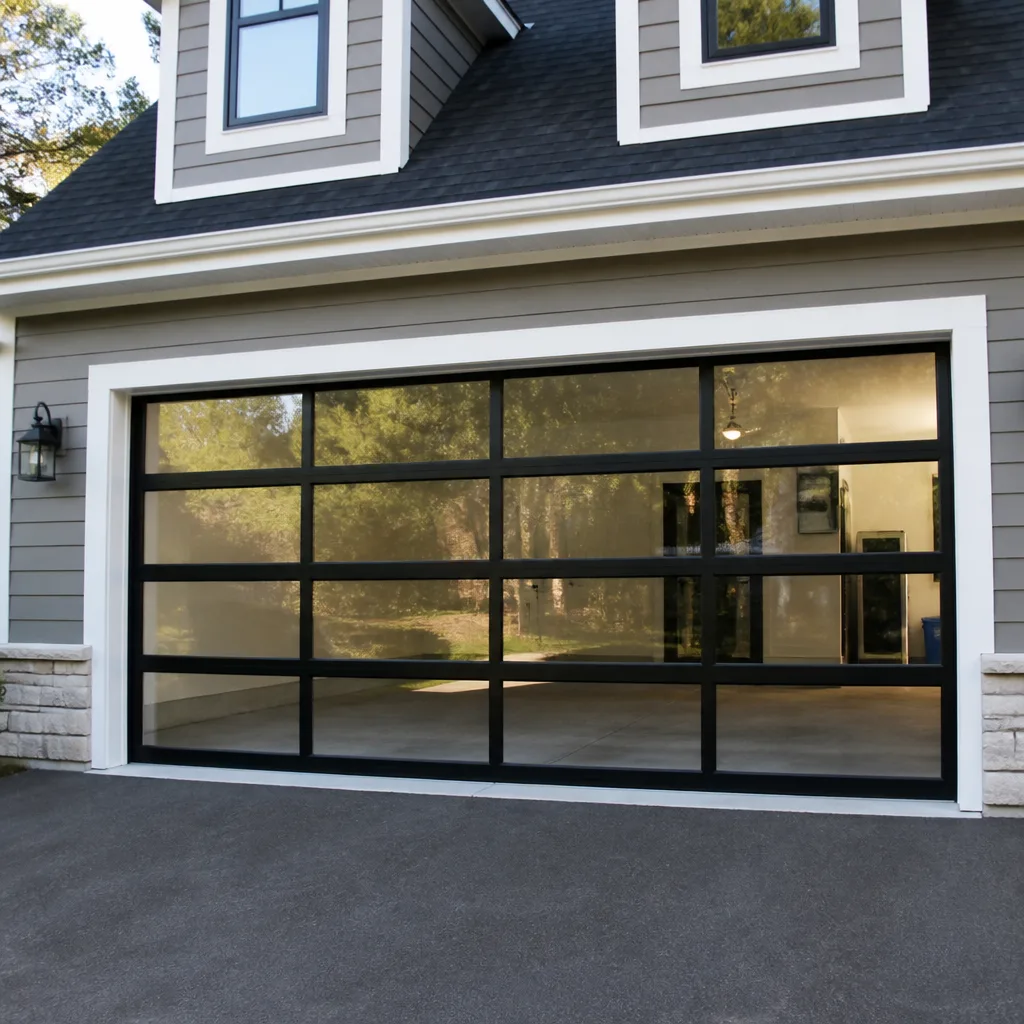 Full-view glass
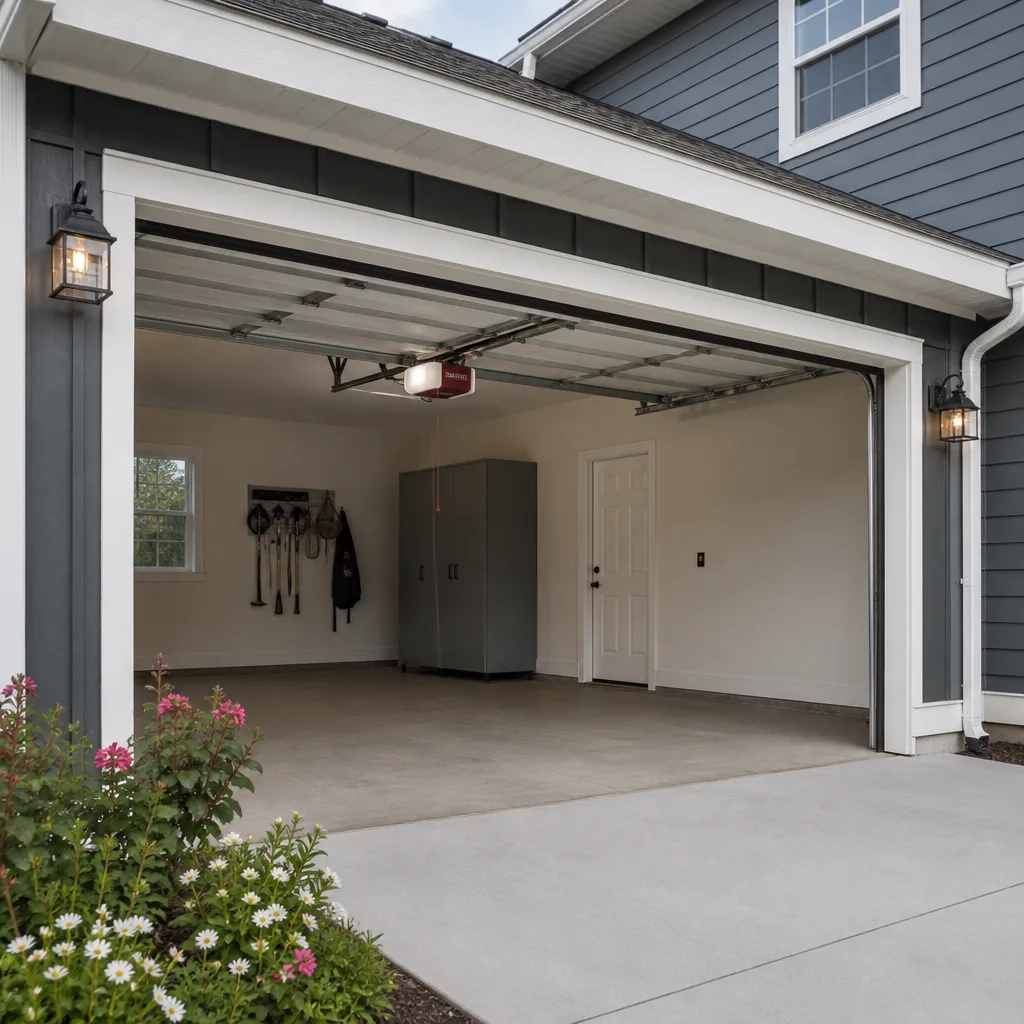 LiftMaster openers
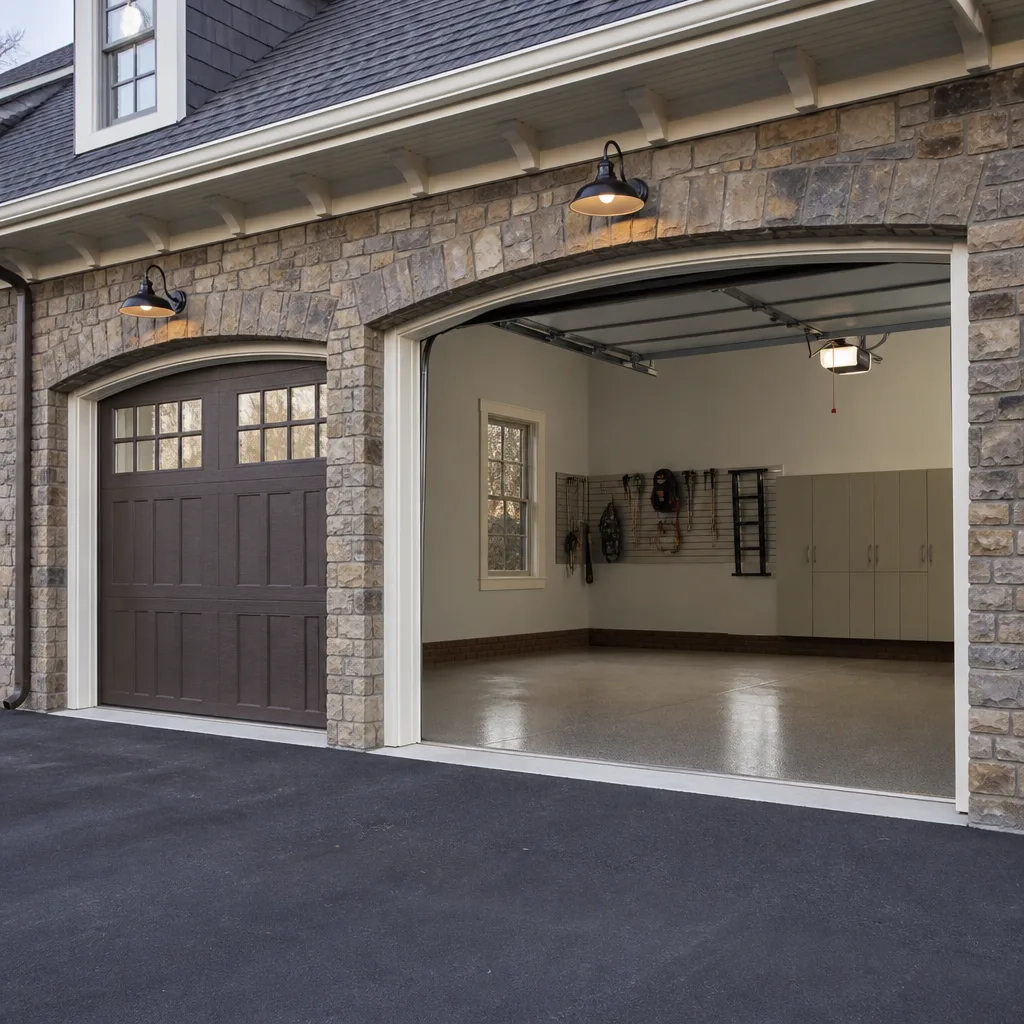 Chamberlain openers
Full 25-point door and opener safety check with every visit - springs, cables, rollers, tracks, and your LiftMaster or Chamberlain opener included
You get a price before we start. It does not change when the truck arrives.
Get your free estimateGarage Door Emergency Preparedness Guide for Orange Homes
Here’s the counterintuitive reality we’ve learned from thousands of Orange service calls: the homeowners who handle garage door emergencies best are rarely the ones with the newest equipment. They’re the ones who know what to do in the first five minutes after something fails. In earthquake country, during wildfire season power shutoffs, and on the hottest August afternoons when springs snap without warning, your garage door stops being a convenience and becomes something else entirely: a security barrier that won’t close, a car trap that won’t open, or an egress route you can’t access. This guide covers the three failure scenarios where knowing the right procedure matters more than having the right phone number. By the time you finish reading, you’ll know how to manually release your opener, secure a stuck-open door, check for earthquake damage before operating anything, and handle a power outage without panicking.
Quick Answer
A garage door emergency in Orange usually falls into one of three categories: a broken spring or cable that prevents safe operation, an opener failure during a power outage or after a surge, or post-earthquake damage that compromises the track system. The immediate steps are: assess whether the door is stuck open or closed, know your manual release procedure if you need to move the door by hand, and secure the opening if you can’t get the door down. For any spring, cable, or track damage, call (844) 320-8271 for same-day garage door repair in Orange rather than attempting a fix yourself.
Styles & brands we work with
- Raised-panel steel
- Carriage house
- Modern flush
- Full-view glass
- LiftMaster openers
- Chamberlain openers
Table of Contents
- The Three Emergency Scenarios Orange Homeowners Actually Face
- The Manual Release Procedure: What Works, What Goes Wrong
- The Security Window: What Actually Works When Your Door Won’t Close
- Power Outage Protocol for Garage Doors in Orange
- Post-Earthquake Inspection: Before You Touch That Button
- Preventive Maintenance That Prevents Emergencies
- Your One-Page Garage Reference Sheet
- Common Mistakes to Avoid
- When to Call a Professional
- Frequently Asked Questions
The Three Emergency Scenarios Orange Homeowners Actually Face
When we talk about garage door emergencies in Orange, we’re not being dramatic. Your garage door covers the largest opening in your home. It’s the most common entry point for burglars, the primary storage location for many families, and in many Orange homes, the only place a car lives overnight. A failure in any of three specific ways changes your day, your security posture, and sometimes your ability to leave your house at all.
Scenario one: the broken spring. Garage door springs are under enormous tension. They counterbalance the entire weight of the door, which on a standard 16-foot steel door is between 150 and 250 pounds. When a spring breaks, which typically happens after 10,000 cycles of opening and closing, the door becomes nearly impossible to lift manually. If your car is inside, it’s stuck. If the door is open when it breaks, it may slam down with force. We’ve seen broken springs in every Orange neighborhood from the Eichler tracts to the hillside custom homes, and they don’t discriminate by age. The average spring lasts seven to nine years in our climate, less if the door faces direct afternoon sun.
Scenario two: the opener failure. Your opener is the motor that does the heavy lifting, but it’s also the brains of the system. Logic board failures, gear stripping, and sensor misalignment are the three most common opener problems we diagnose. In Orange, power surges during Santa Ana wind events and rolling brownouts during heat waves contribute to premature opener failure. When an opener dies, the door won’t move even though the springs and cables are fine. This is where knowing the manual release matters most.
Scenario three: the post-earthquake door. Southern California sits on active fault lines, and Orange is close enough to the Puente Hills, Whittier, and Newport-Inglewood faults that a significant shaker is a matter of when, not if. After an earthquake, a door that looks fine may have a racked frame, shifted track brackets, or a compromised balance system. Attempting to operate it electronically before checking these things can turn a repairable problem into a full track replacement. The homeowners who know what to check before pressing the opener button are the ones who avoid turning a $200 repair into a $1,500 one.
The Manual Release Procedure: What Works, What Goes Wrong
The red handle hanging from a rope on your opener rail is the manual release. Pulling it disconnects the door from the opener carriage, allowing you to operate the door by hand. Every opener brand installed in Orange homes has one. Chamberlain and Genie models place it in slightly different positions, but the red handle is universal. Here’s the correct sequence and what can go wrong if you do it improperly.
Step-by-Step Manual Release
- Ensure the door is fully closed. If the door is stuck open, do not pull the release. A door stuck open may have a broken spring, and releasing it from the opener removes the only thing holding it up. The door will crash down. We cannot overstate how dangerous this is.
- Locate the red release handle. It hangs from a rope attached to the opener rail, usually within arm’s reach when standing in the garage. On most Chamberlain and Genie models installed in Orange homes, it’s near the center of the rail.
- Pull down firmly and toward the door. You should hear a click as the carriage disengages. Do not yank sideways. The handle is plastic and will snap off if you’re too aggressive.
- Test the door by hand. Lift from the bottom handle or the door’s edge. A properly balanced door should lift smoothly with moderate effort, about 20 to 30 pounds of force. If it feels like you’re deadlifting a water heater, the springs are not doing their job. Stop and call a professional.
- To re-engage, pull the release handle again toward the door and let the carriage click back into place. On Genie models, you may need to run the opener once to let the carriage pass over the release mechanism before it catches. On Chamberlain openers, the carriage typically re-latches on the next cycle.
What Goes Wrong When Release Is Done Improperly
We’ve repaired the aftermath of dozens of manual release mistakes in Orange. The most common is pulling the release when the door is open and the springs are broken. The door drops, the bottom panel crushes, and the opener rail bends. That’s a three-part repair instead of a one-part fix. Another common error is forgetting to re-engage the opener after power returns. The next morning, the opener runs its cycle, the carriage moves without the door, and the opener errors out or grinds gears. A third problem: pulling the handle when the door is frozen in place due to a broken cable, which causes the same crash scenario.
If the door is heavy, won’t lift smoothly, or starts to fall when you let go, the springs are compromised. Do not force it. Call Citadel Garage Door Repair at (844) 320-8271. We service Garage Door Repair in Orange with same-day response for spring failures.
The Security Window: What Actually Works When Your Door Won’t Close
When a spring breaks with the door open, you have a problem that goes beyond inconvenience: your garage is wide open to the street. In Orange, where many homes have attached garages with interior doors leading into the house, an open garage door is effectively an invitation. Here’s what actually works to secure the opening temporarily, and what doesn’t.
What Actually Works
- Vice grips on the track. If you have a pair of locking pliers, clamp them onto the vertical track just below a roller. This creates a physical stop that prevents the door from moving downward if someone tries to force it closed, and it makes the door harder to push open from outside. This is the single most effective temporary security measure we recommend to Orange homeowners.
- Blocking the track with lumber. A 2×4 wedged into the track channel below the bottom roller does the same job as vice grips. Cut it to length so it fits snugly between the roller and the track’s bottom curve. It’s ugly but effective.
- Disabling the opener. Unplug the opener from the ceiling outlet. This prevents anyone with a remote or a universal opener from cycling the door. If the door is stuck open, this is critical: a family member pressing the button on their way home could cause additional damage.
- Locking the interior door. If your garage connects to the house, lock that door. Install a deadbolt if you don’t have one. This is standard security advice for any Orange home, but it becomes urgent when the garage door won’t close.
What’s False Comfort
- Leaning a ladder or rake against the opening. It’s visible clutter, not a barrier. Anyone can move it.
- Parking a car across the driveway. This blocks casual access but most Orange driveways are wide enough to walk around a sedan. It also requires you to leave a key in a car, which trades one security problem for another.
- Relying on the opener’s automatic lock. If you have a Chamberlain opener with Auto-Lock, understand that the lock only works when the opener is powered and the door is in the fully closed position. With the door stuck open, the lock does nothing.
The security window between a failure and a service visit is usually 24 to 48 hours. Citadel offers same-day garage door repair in Orange, which minimizes that window as much as possible. But knowing how to secure the opening correctly in the meantime is the difference between a bad day and a burglary.
Power Outage Protocol for Garage Doors in Orange
Southern California Edison’s Public Safety Power Shutoff program has made multi-day power outages a recurring event in parts of Orange County, particularly the canyon areas east of the 55 and the foothill communities near Peters Canyon and Santiago Oaks. Even if you’re not in a high-fire-risk zone, heat wave brownouts and equipment failures cause shorter outages throughout Orange. Here’s the protocol for handling your garage door when the power is out.
Step-by-Step Power Outage Protocol
- Determine if you need to operate the door at all. Every time you manually open and close a garage door during an outage, you’re putting wear on springs and cables that are already aging. If you have enough supplies and no pressing need to leave, leave the door closed. Your car is safe in the garage.
- Use the manual release if you must operate the door. Follow the release procedure above. Pull the red handle, lift the door by hand, and secure it in the open position if you’re moving items in and out. Remember that a manually operated door doesn’t lock, so if you leave it open, follow the security window guidance above.
- Check your battery backup. Many newer Chamberlain and Genie openers in Orange homes include a battery backup system, either built-in or as an external unit mounted near the opener. These provide 20 to 50 cycles after power loss. Test yours annually. If you have a backup and the opener still works during the outage, you can operate the door normally, but use it sparingly to preserve battery power.
- Re-engaging the opener when power returns. This is where many homeowners make mistakes. Before reconnecting, ensure the door is fully closed. Pull the release handle toward the door until you hear it click into the carriage. On Chamberlain openers, press the wall console button once. The carriage should travel and latch automatically. On Genie models, you may need to press the button and let the carriage travel down to re-engage. If the opener makes a grinding noise or the door doesn’t move, stop and call us. Forcing it strips the plastic gear inside the opener, which is the most common post-outage repair we perform in Orange.
If your opener lacks battery backup and you’re interested in adding one, note that not all models are compatible. Chamberlain offers external battery backups for many of its models, while Genie builds backup into some higher-end units. We can tell you during a service visit whether your opener can be retrofitted. For more on opener service, see Garage Door Opener Repair in Orange.
Post-Earthquake Inspection: Before You Touch That Button
After a significant earthquake, your garage door may look fine. It may open and close fine. And then, three weeks later, a spring breaks or a cable snaps because the door has been operating under stress it wasn’t designed for. The homeowners who do a five-minute inspection right after a shaker are the ones who catch these problems before they become emergencies. Here’s what to look for before you operate your door electronically.
Post-Earthquake Checklist
- Check the gap between the door and the frame. Look at the space between the door’s edge and the weather stripping on both sides. If the gap is wider at the top than the bottom, or wider on one side than the other, the door or the frame has shifted. A shifted door will bind in the tracks and strain the opener.
- Inspect the track brackets. Look at where the vertical tracks attach to the wall and where the horizontal tracks hang from the ceiling. Earthquake motion can pull lag screws loose. If you see brackets that have moved, or if the track itself is bowed or twisted, do not operate the door.
- Check the cables. The cables run along both sides of the door and attach to the bottom brackets. If one cable is slack while the other is taut, the door is unbalanced. If a cable is kinked, frayed, or hanging loose, the door is unsafe to operate and the spring system may be compromised.
- Test the balance manually. Use the manual release procedure above, then lift the door by hand. It should lift smoothly and stay in place about three to four feet off the ground when you release it. If it drops or feels unusually heavy, the spring tension has changed. Call a professional before using the opener.
- Listen for new sounds. Open and close the door once if everything above checks out. A grinding noise means a roller is binding or the track is out of alignment. A popping sound from the spring area is a warning sign. Stop using the door and call us.
We’ve done post-earthquake inspections throughout Orange after the recent Ridgecrest, La Habra, and Yorba Linda events. The damage we find is usually minor at first: a shifted bracket, a slightly bowed track. But those small problems compound quickly. If you notice anything unusual after a shaker, call Citadel at (844) 320-8271 for an evaluation. We identify the problem before we quote the solution.
Preventive Maintenance That Prevents Emergencies
Most garage door emergencies in Orange are preventable. Springs don’t fail without warning: they usually squeak or make a grinding noise in the weeks before they break. Cables don’t snap spontaneously: they fray visibly first. Openers don’t die silently: they strain, struggle, and make noise before they fail. The problem is that most homeowners don’t know what to look for, and by the time the symptoms are obvious, the emergency has already happened. Here’s a maintenance routine that takes less than 20 minutes per year and catches most problems before they become crises.
Annual Garage Door Maintenance Checklist
- Listen to the door. Stand in the garage while the door opens and closes. A smooth, quiet operation is good. Grinding, squeaking, rattling, or popping sounds mean something is wearing out. Each sound has a specific cause: grinding is usually worn rollers, squeaking is dry hinges or spring coils, popping is a cable or spring issue.
- Check the balance. Once a year, pull the manual release and lift the door halfway. If it stays in place, the springs are doing their job. If it falls or rises on its own, call a professional. This single check catches most spring problems before they become breakages.
- Inspect the hardware. Look at all the bolts, brackets, and hinges. Tighten anything loose. Look at the cables for fraying or rust. Look at the rollers for cracks or worn bearings. Nylon rollers with worn bearings are the most common source of door noise we see in Orange homes.
- Lubricate sparingly. Use a silicone-based garage door lubricant on the hinges, rollers, and spring coils. Do not use WD-40, which displaces grease and accelerates wear. Do not lubricate the track: the rollers are meant to roll on clean metal, not slide through grease.
- Test the auto-reverse safety feature. Place a 2×4 flat on the ground under the door’s path and close the door. It should reverse when it contacts the wood. This is a safety feature required by federal law since 1993, but we still find openers in Orange homes with non-functional auto-reverse. If yours doesn’t reverse, service the opener or replace it.
- Check the photo eye sensors. These are the small units mounted about six inches above the floor on each side of the door opening. They should have a small light that’s solid when aligned. If one or both lights are blinking, the sensors are misaligned or blocked. This is the most common cause of a door that won’t close.
Citadel performs this full inspection as part of every service call. If you’re not comfortable doing it yourself, or if you find something that concerns you, call us at (844) 320-8271. We work on what you already have, whether it’s a Clopay door, an Amarr door, a Chamberlain opener, or something else entirely.
Your One-Page Garage Reference Sheet
Print this section and tape it to the inside of your garage door or hang it near the opener. When something goes wrong, you won’t have time to search for this information. Copy the following onto a single page.
Citadel Garage Door Repair – Emergency Reference
Emergency line: (844) 320-8271
Service area: Orange, CA and surrounding communities
Hours: 6 days a week, same-day service for spring and cable failures
Manual Release Steps:
- Door fully closed? Yes? Continue. No? Do not release. Call (844) 320-8271 first.
- Pull red handle down and toward the door.
- Lift door by hand. Should be smooth, not heavy.
- To reconnect: pull handle toward door, press opener button, let carriage re-latch.
Stop immediately and call (844) 320-8271 if:
- Door is stuck open and will not stay up when lifted
- Cable is frayed, kinked, or hanging loose
- Door drops faster than normal when closing
- Door is heavy or impossible to lift by hand
- You hear a grinding noise from the opener
- You see visible track damage or misalignment after an earthquake
If door won’t close and you need to secure it: Clamp vice grips on the track below a roller. Unplug the opener. Lock the interior door to the house.
Common Mistakes to Avoid
- Pulling the manual release with the door open and the spring broken. This is the most expensive mistake we see in Orange. The door crashes down, bending the bottom panel and the opener rail. If the door is open and won’t close, the spring system has failed. Call us first.
- Continuing to operate a door that’s making noise. A squeaking spring is a spring that’s about to break. A grinding opener is an opener that’s about to strip its gear. The noise is the warning. Operating through it converts a $150 repair into a $400 one.
- Using WD-40 on the track. We see this constantly in Orange garages. WD-40 is a solvent, not a lubricant. It cleans the track and leaves it bare, which accelerates roller wear. Use silicone lubricant on rollers and hinges, and leave the track clean and dry.
- Replacing a spring with a DIY kit from a hardware store. Torsion springs hold enough tension to kill or seriously injure a person. The winding bars required are specialized tools. We’ve repaired doors in Orange where homeowners attempted spring replacement and ended up with damaged torsion tubes, stripped fasteners, and worse. This is not a DIY job. A broken spring means calling a professional, period.
- Forgetting the manual release exists. A surprising number of Orange homeowners don’t know about the red handle. When the power goes out and they can’t get their car out, they call us in a panic. Knowing the release procedure in advance turns a 30-minute crisis into a 60-second solution.
- Operating the door after an earthquake without inspecting it first. The five-minute checklist in this guide prevents you from turning a misaligned track into a snapped cable. After any significant shaker, check before you operate.
- Assuming a stuck door will fix itself. Garage doors don’t heal. If a door binds, sticks, or won’t close completely, the underlying problem will get worse with every cycle. In Orange’s summer heat, a door that binds when it’s hot and works when it’s cool is usually a track alignment issue that will eventually fail completely.
When to Call a Professional
Some garage door problems are DIY-friendly: Lubricating hinges, tightening loose bolts, cleaning photo eye sensors. These are maintenance tasks, not repairs. The moment you’re dealing with springs, cables, track alignment, or opener internals, you’re in professional territory. A broken spring requires specialized tools and knowledge. A snapped cable releases tension in ways that can cause injury. An opener that won’t work after a power outage often has a stripped gear or a fried logic board, neither of which is user-serviceable. In Orange, where garage doors are exposed to heat, Santa Ana dust, and occasional seismic stress, these failures happen to every door eventually. When they happen to yours, Citadel Garage Door Repair is the specialist to call. We work on all major brands, including the Chamberlain, Genie, and Clopay systems common in Orange homes. We identify the problem before we quote the solution. Call (844) 320-8271 for a free estimate. For more on specific services, see our Garage Door Installation in Orange page and our Garage Door Opener Repair in Orange page.
Frequently Asked Questions
Spring replacement in Orange typically runs between $180 and $300 per spring, including parts and labor, depending on the spring size and the door’s weight. Cable replacement runs $150 to $220. Opener gear replacement runs $180 to $280. These are the three most common emergency repairs we perform. Every job is quoted upfront and agreed before work starts. Call (844) 320-8271 for an exact quote.
Yes. Spring failures, cable breaks, and most opener problems are repaired the same day in Orange. We carry parts on our trucks for the most common door and opener brands, which means most repair calls are completed in a single visit. Call (844) 320-8271 in the morning and your door can be working by afternoon.
No. We quote the repair before any work begins. If we find additional problems during the repair, we stop and explain what we found and what it will cost before proceeding. You approve every dollar before it’s spent. This is a firm policy, not a sales tactic.
First, check whether the opener is plugged in and whether the circuit breaker has tripped. If both are fine, pull the manual release to disengage the opener and try lifting the door by hand. If it lifts smoothly, the opener is the problem and likely needs service or replacement. If it’s heavy or won’t move, the springs are the issue. Either way, call (844) 320-8271 and we’ll diagnose it over the phone.
Only after a visual inspection. Check the gap between the door and the frame on both sides, look at the track brackets for movement, inspect the cables for slack or fraying, and test the balance manually before using the opener. If anything looks off, call a professional before operating the door. Five minutes of inspection prevents most post-earthquake garage door damage from becoming a full failure.
We work on the eight most widely installed garage door and opener brands in the United States, including Chamberlain, Genie, Clopay, Amarr, Wayne Dalton, and LiftMaster. If your door or opener is a different brand, we can usually source parts for it. Our technicians are trained to diagnose across brands, not to push a particular manufacturer.
The Bottom Line
A garage door emergency in Orange is rarely a surprise to the door. Springs squeak before they break. Cables fray before they snap. Openers grind before they die. The homeowner who knows what to listen for, what to check after an earthquake, and how to use the manual release is prepared for the three failures that actually happen. The homeowner who doesn’t is at the mercy of whoever answers the phone. Citadel Garage Door Repair is the phone call we want you to make, but we’d rather you make it for a spring that’s showing warning signs than for a door that’s crashed down on your car. Call (844) 320-8271 for any garage door concern in Orange. One call covers the door and the opener. We identify the problem before we quote the solution.
For more on our full range of services, visit the Citadel Garage Door Repair home page or call (844) 320-8271.
Written by the team at Citadel Garage Door Repair, serving Orange since 2018.
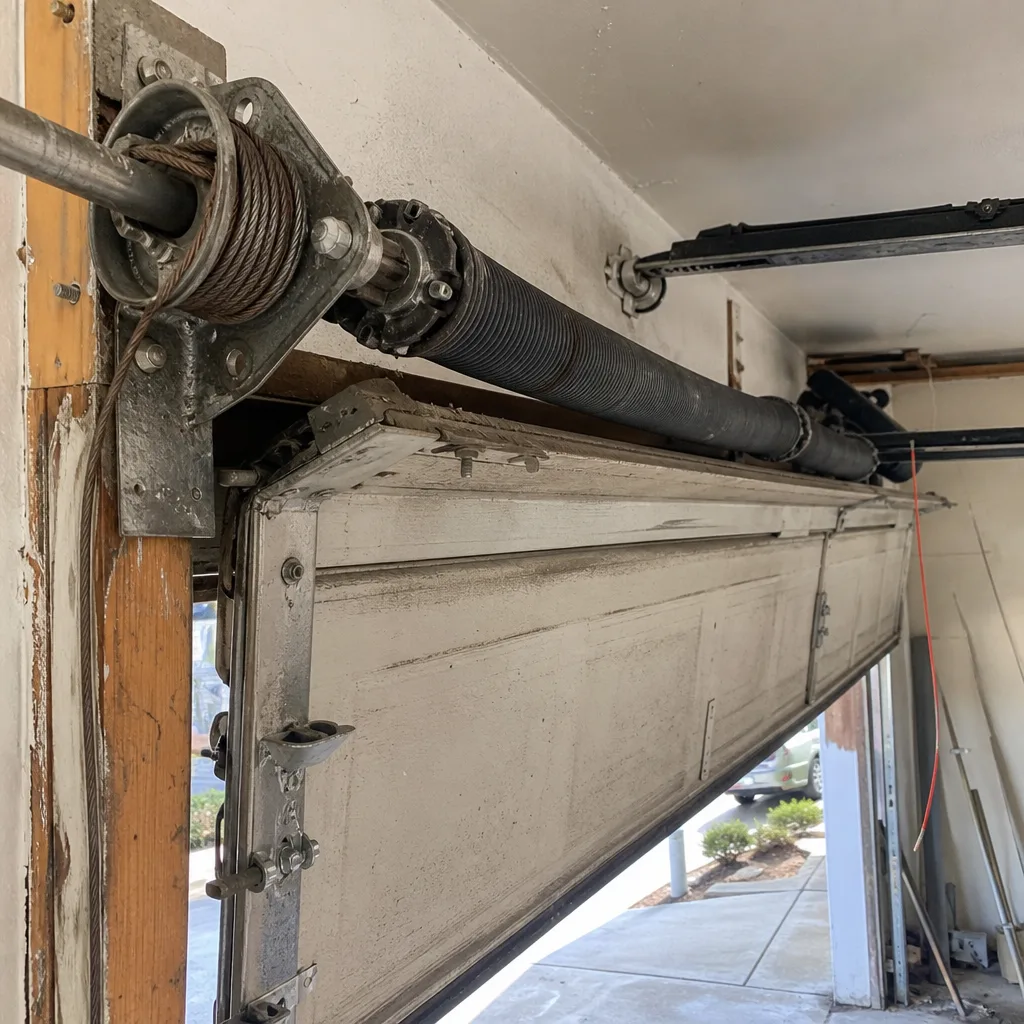
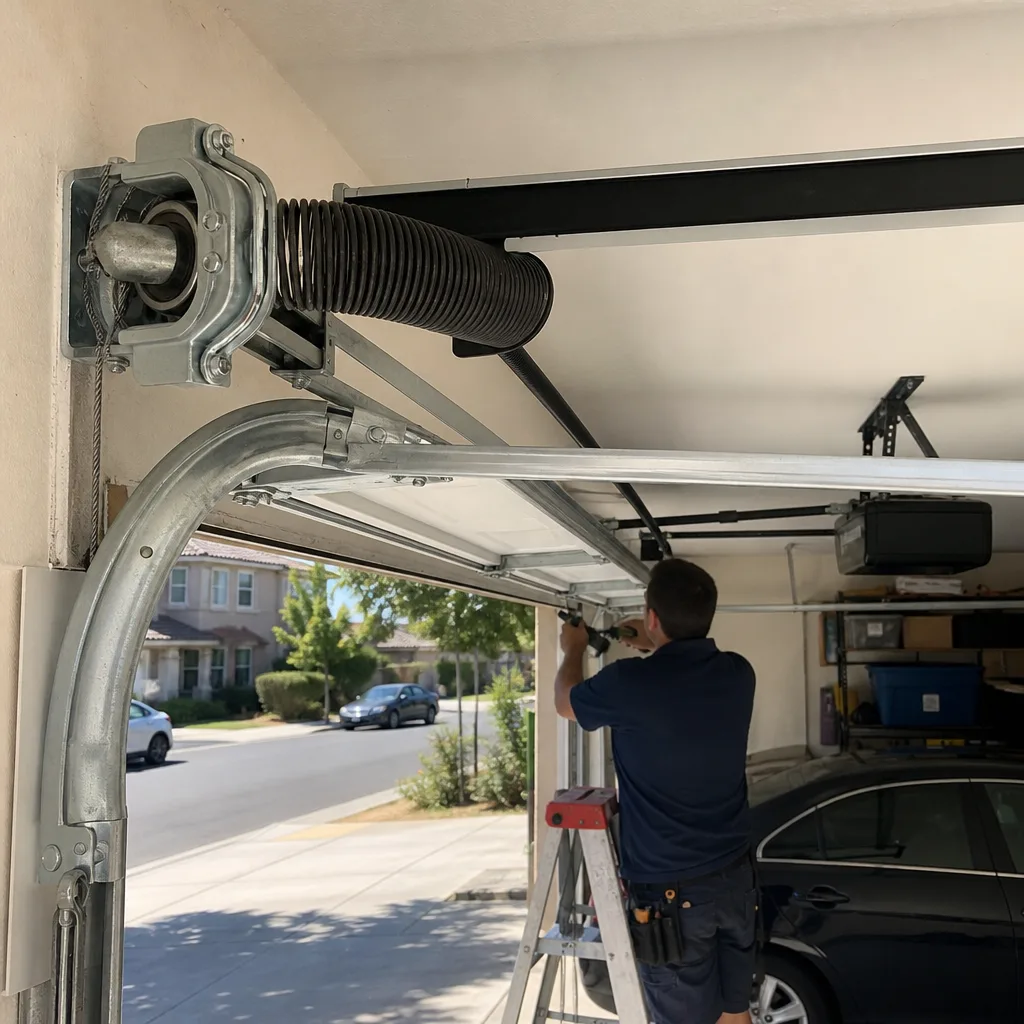
See the difference
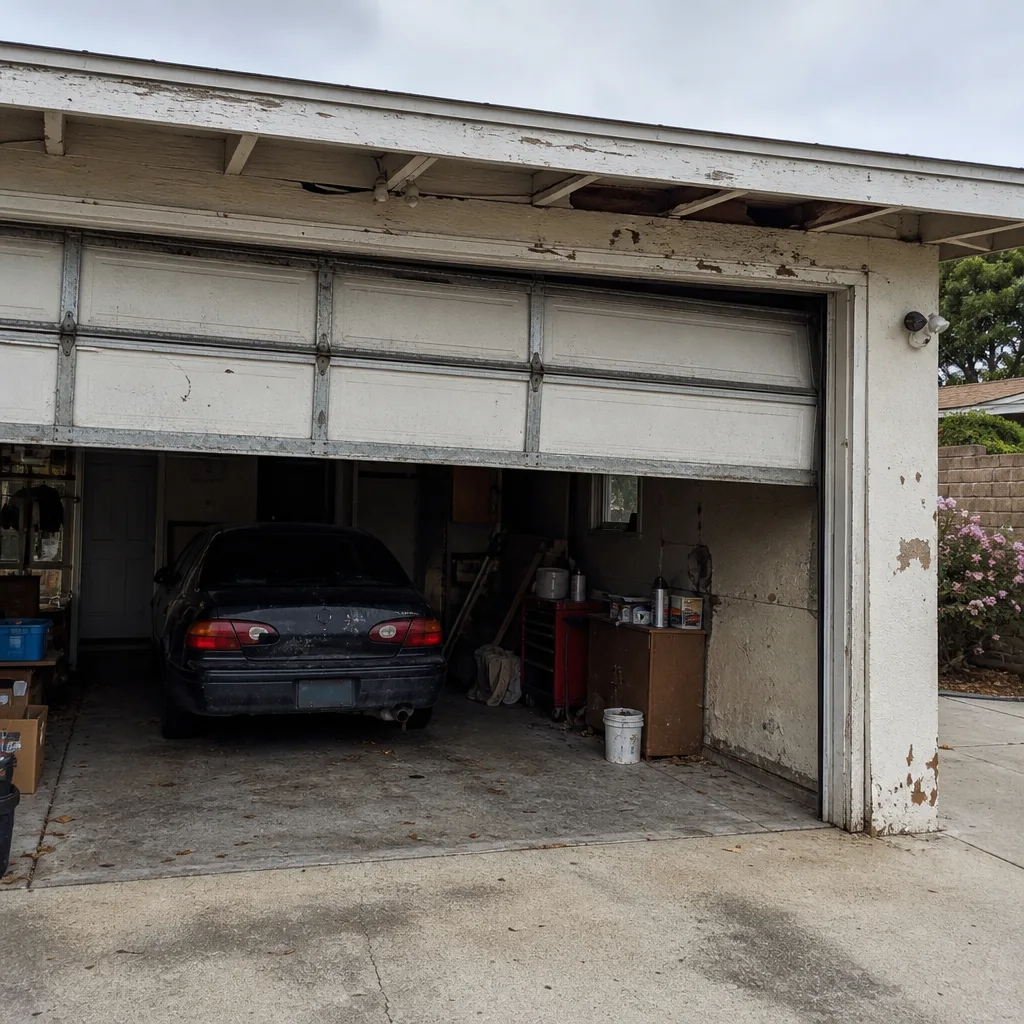 Before
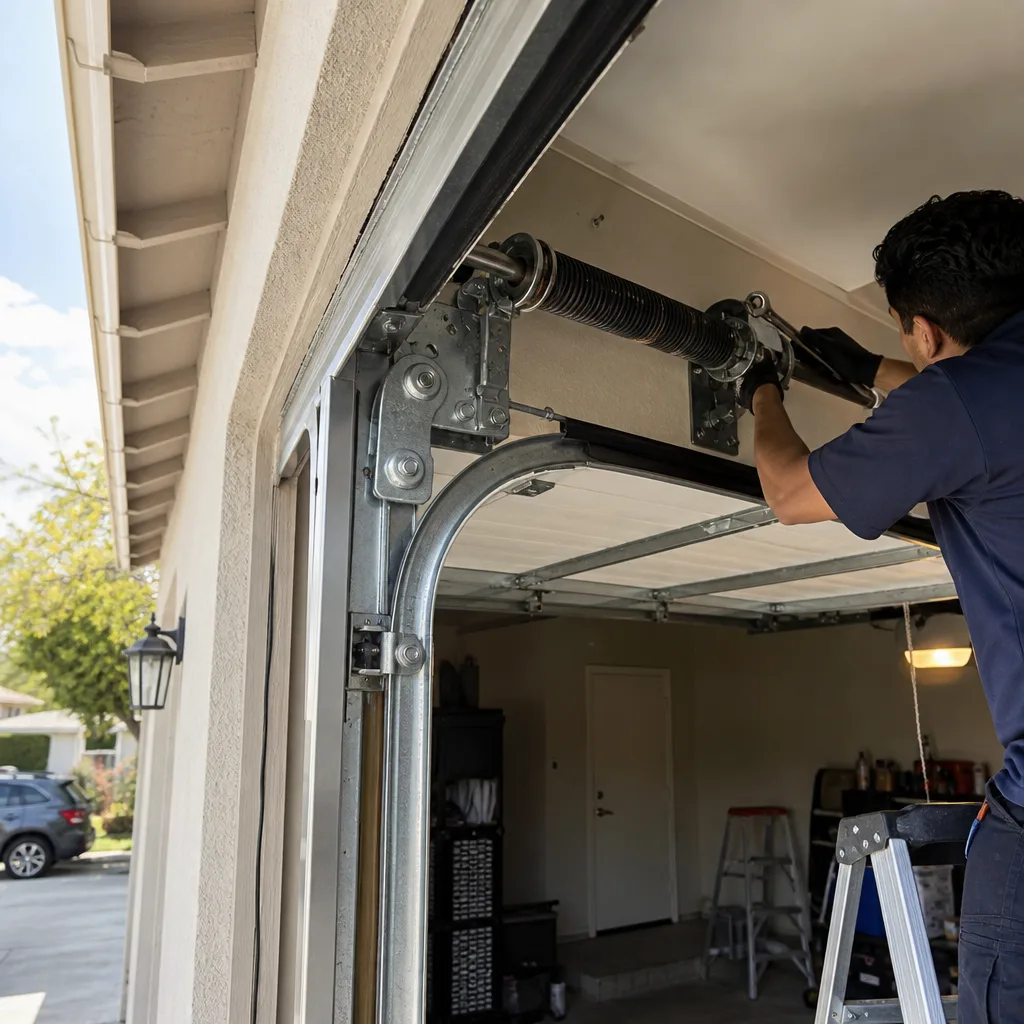 After
 Before
 After
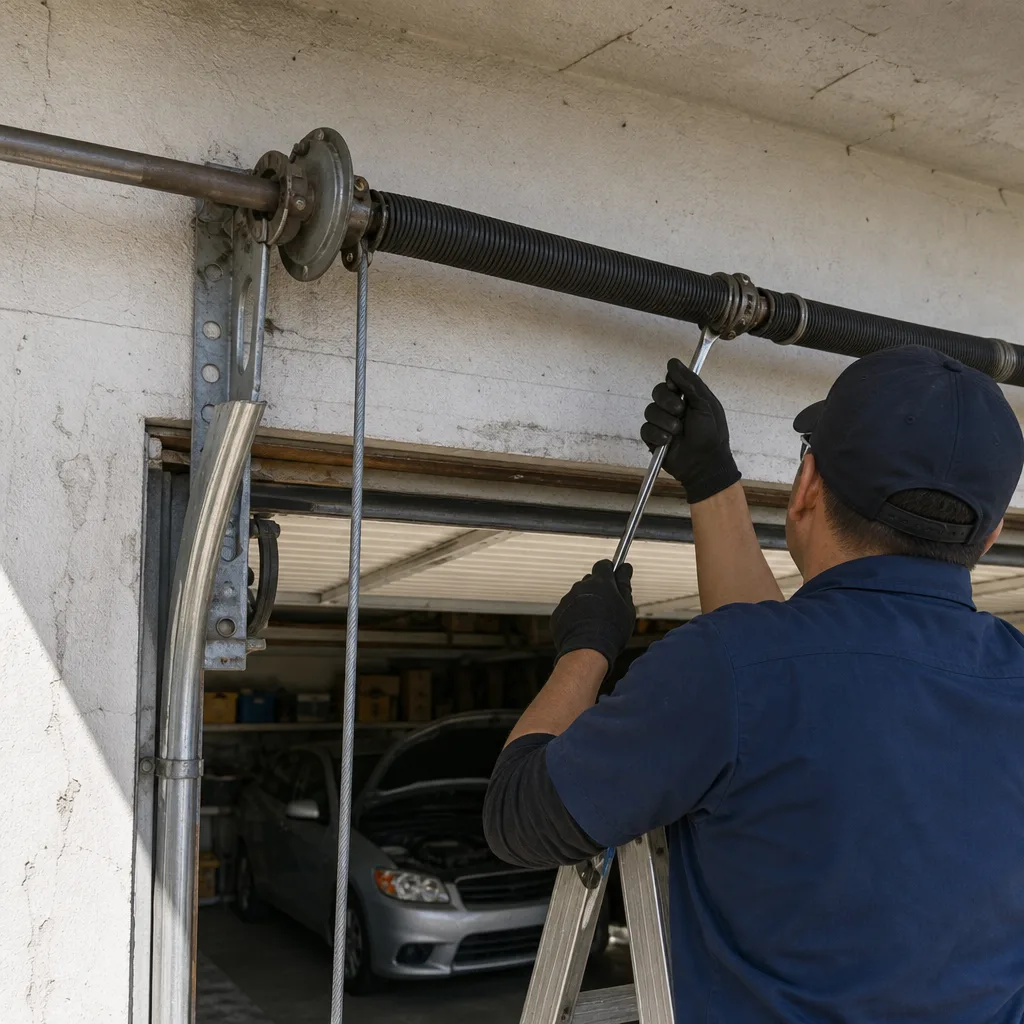 Before
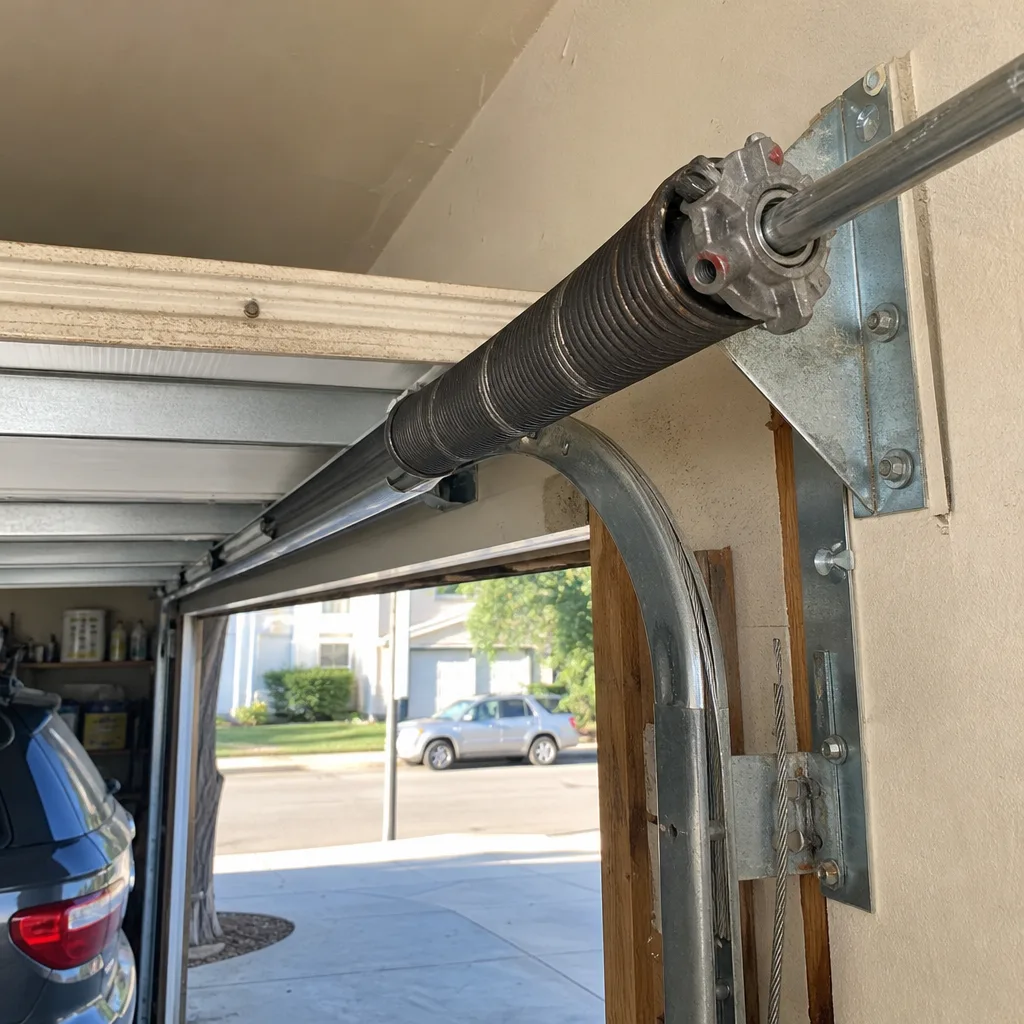 After