
Last updated November 2, 2026
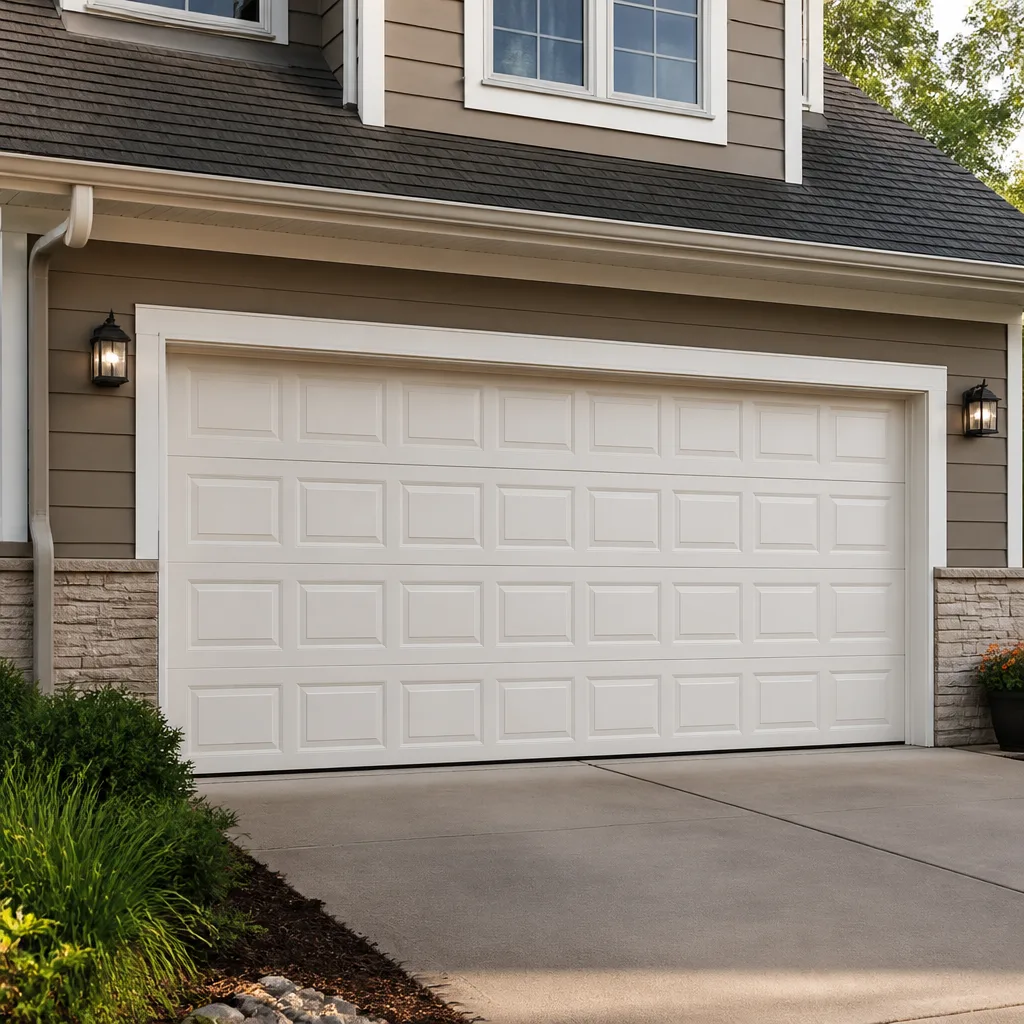 Raised-panel steel
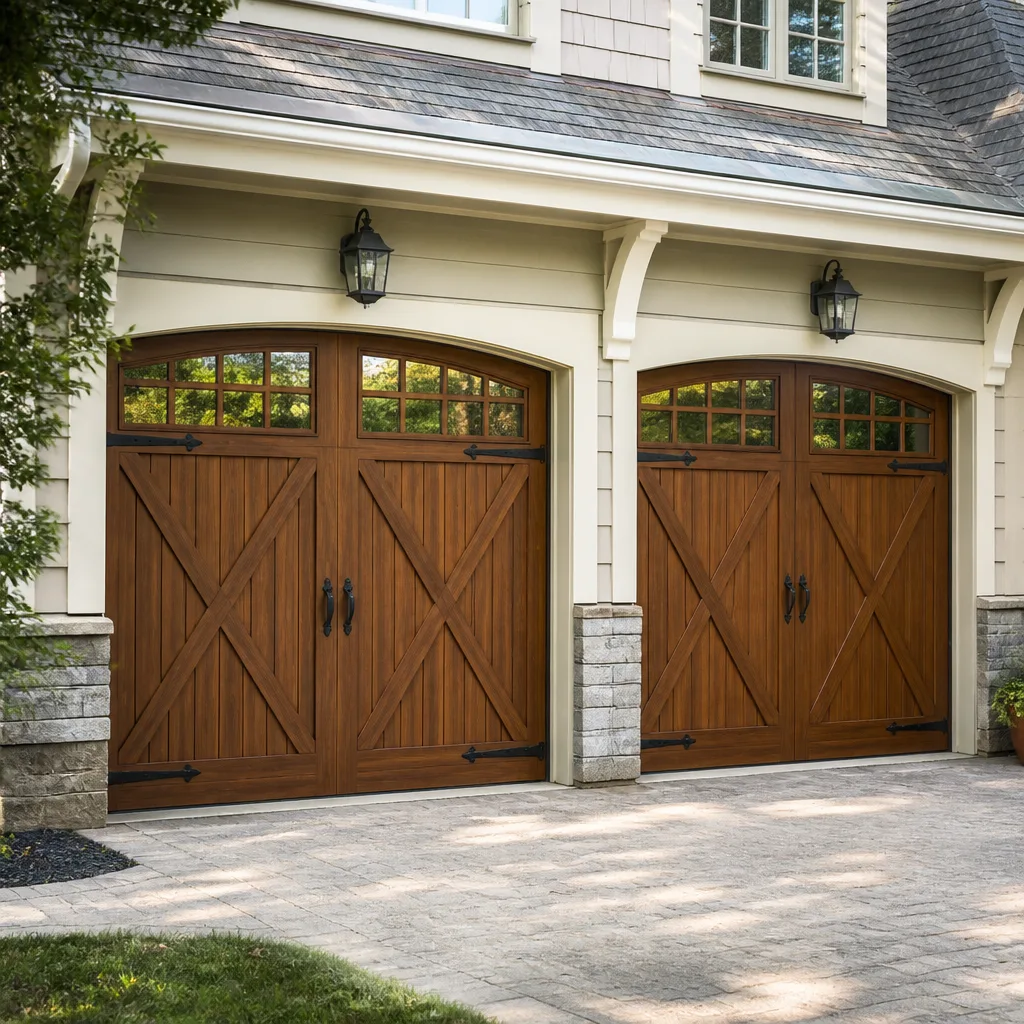 Carriage house
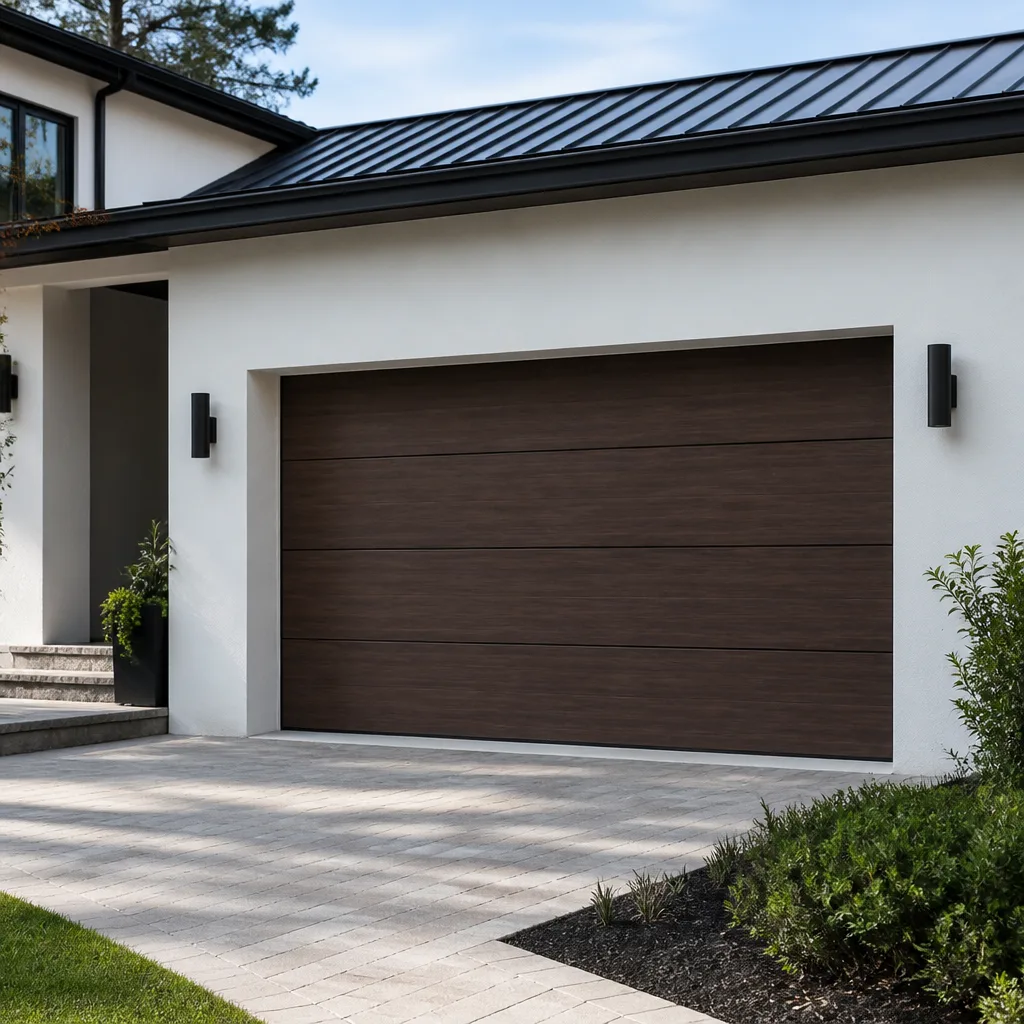 Modern flush
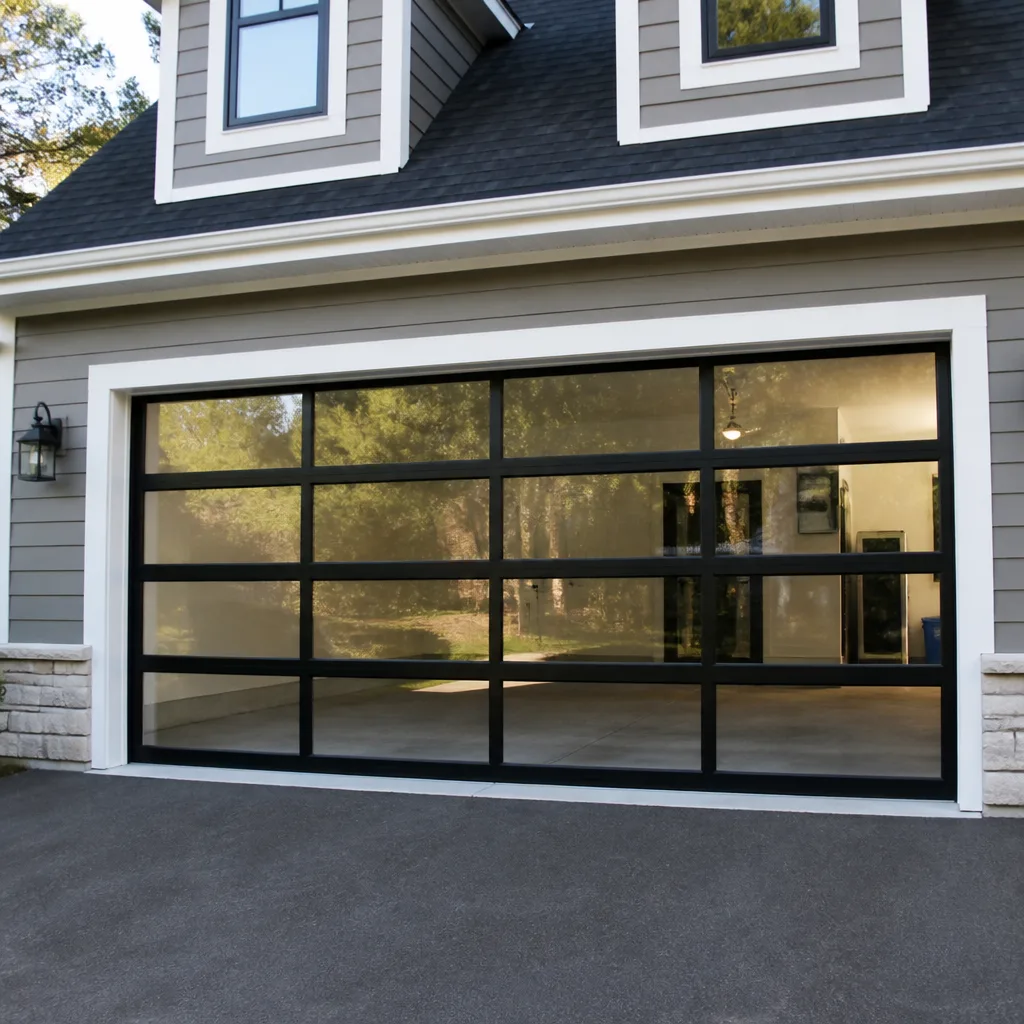 Full-view glass
 LiftMaster openers
 Chamberlain openers
Full 25-point door and opener safety check with every visit - springs, cables, rollers, tracks, and your LiftMaster or Chamberlain opener included
You get a price before we start. It does not change when the truck arrives.
Get your free estimateGarage Door Permits, Codes & Inspections in CA: What You Need to Know
A garage door replacement that goes unpermitted in California doesn’t just risk a fine. It can trigger a disclosure obligation that surfaces during escrow and delays or kills a sale years after the work is done. Every week in Orange, we hear from homeowners who inherited an unpermitted door from a previous owner or a contractor who told them a permit wasn’t needed. This guide cuts through the confusion: exactly when California and the City of Orange require a permit, when they don’t, and how the rules affect your title, your safety, and your home’s resale value. For related reading, see our Garage Door Warning Signs: An Orange Homeowner’s Reference Guide.
Styles & brands we work with
- Raised-panel steel
- Carriage house
- Modern flush
- Full-view glass
- LiftMaster openers
- Chamberlain openers
Quick Answer
In California, replacing an existing garage door with a like-for-like unit of similar size and weight generally does not require a building permit. However, any work that alters the opening, changes the structural framing, adds a new attached garage, or involves new electrical circuits for an opener does require a permit. The City of Orange enforces the California Building Code with local amendments, and the contractor performing the work is legally responsible for pulling the permit, but the homeowner carries the liability if that doesn’t happen.
Table of Contents
- When a Garage Door Permit Is Required in California (And When It Isn’t)
- Orange Building Department: The Specific Process for Garage Door Permits
- Title 24 Energy Code: The Overlooked Requirement for Attached Garage Doors
- Seismic Strapping and Opener Disconnect: California-Specific Requirements
- Contractor’s Responsibility vs. Homeowner’s Liability: Who Pulls the Permit
- What Garage Door Permits and Inspections Cost in Orange
- How an Unpermitted Garage Door Affects Your Home Sale
- Common Mistakes to Avoid
- When to Call a Professional
- Frequently Asked Questions
- The Bottom Line
When a Garage Door Permit Is Required in California (And When It Isn’t)
The California Building Code (CBC) does not have a single line item that says “garage door replacement permit.” Instead, the trigger comes from what changes about the building. A direct swap of a sectional garage door for another sectional door of the same rough opening size, with no modification to the header, jambs, or foundation, falls outside the permit requirement in nearly every jurisdiction in Orange County. The door itself is a non-structural element, and replacing it does not alter the building’s footprint, its load path, or its fire rating.
But the exceptions catch people. Here is the exact list of situations where a permit is required:
- Opening size changes. Enlarging a garage door opening, or converting a single-door garage to a double-door, requires a structural permit because the header beam must be resized and re-engineered. This is load-bearing work, not cosmetic work.
- New garage construction or addition. Any attached garage built onto an existing home requires full plan review, including the door installation.
- Converting a carport or other space into a garage. The new door becomes part of a larger permitted alteration.
- The old door was never permitted. If the garage itself was unpermitted construction, the City of Orange may require retroactive permitting before any new door work is approved.
- New electrical circuit for the opener. Adding a new dedicated circuit for a garage door opener, rather than using an existing outlet, requires an electrical permit under the California Electrical Code.
- Fire-rated door requirements. In some Orange neighborhoods with hillside conditions or zero-lot-line setbacks, the door may need a fire-resistance rating that requires documentation during a permit review.
The distinction comes down to one principle: permits exist to regulate changes to the building envelope, structure, and systems. A door swap that doesn’t touch any of those is a maintenance item. Anything that does is construction. We’ve seen this confusion cost a homeowner in Orange a two-week delay on a sale because a previous owner had widened a garage opening without a permit and the title company flagged it during escrow.
Orange Building Department: The Specific Process for Garage Door Permits
The City of Orange operates its own Building & Safety Division, which enforces the California Building Code with local amendments. When a garage door project does require a permit, the process is straightforward but has specific steps that catch first-timers off guard. We’ve walked this path with homeowners in Orange’s Old Towne district and the newer developments east of the 55, and the sequence is consistent.
Here is the typical process, step by step:
- Determine permit type. Most garage door permits fall under a “Residential Alteration – Minor” classification. Structural changes like opening alterations go under a full building permit with plan review.
- Prepare documentation. For structural work, you’ll need engineered drawings showing the new header size, connection details, and load calculations. For electrical work, a simple circuit diagram or panel schedule typically suffices.
- Submit online or in person. The City of Orange accepts permit applications through its online portal or at the Permit Center on Chapman Avenue. Minor alterations usually receive same-day or next-day approval; structural plans take 1-2 weeks for plan check.
- Pay fees. Fees are calculated on a valuation basis. See the costs section below for realistic ranges we’ve observed in Orange.
- Schedule inspections. For structural work, you’ll need a framing inspection before the door goes in, and a final inspection after installation. For electrical work, a single final inspection typically covers it.
- Receive sign-off. The inspector signs the permit card, and the work is recorded as complete and compliant.
One note specific to Orange: the city requires that the permit be posted at the job site during active work. This is a small detail, but failing to post it can result in a stop-work order from a code enforcement officer doing a routine drive-by. In our experience, most homeowners never deal with this because a reputable contractor handles it, but if you’re managing the project yourself, tape that permit to a window facing the street.
Title 24 Energy Code: The Overlooked Requirement for Attached Garage Doors
Here is the requirement most homeowners and a surprising number of contractors miss: under California’s Title 24, Part 6, Energy Code, garage doors on attached garages are classified as part of the building’s thermal envelope. When you replace one, the new door must meet minimum insulation values, or the replacement must trigger a broader energy compliance review.
The specific requirements break down like this:
- Insulated doors are effectively mandatory for attached garages. A non-insulated steel door does not meet Title 24 prescriptive requirements for attached garages in Orange County’s climate zone (Zone 8). You need at least an R-6.5 insulated door, which most quality manufacturers like Clopay and Amarr offer as standard on their mid-range lines.
- Weatherstripping is not optional. Title 24 requires that the door be sealed at the perimeter and the bottom to limit air infiltration. A missing bottom seal is technically a code violation on an attached garage, not just an annoyance.
- Documentation matters on resale. The Home Energy Rating System (HERS) process doesn’t typically require a full rating for a simple door swap, but keeping the manufacturer’s insulation spec sheet with your home records is a good habit. Buyers in Orange increasingly ask for this, especially in newer developments where energy compliance was part of the original build.
- Garage-to-house separation wall. If your garage shares a wall with conditioned living space, Title 24 also requires that the separation wall be insulated and sealed. This isn’t a door requirement per se, but we flag it because a door replacement is the most common time homeowners discover the wall behind the garage drywall was never insulated.
The practical takeaway: if you’re replacing the door on an attached garage in Orange and the contractor proposes the cheapest non-insulated door on the shelf, that contractor is putting you in a position of non-compliance. We recommend an insulated door regardless of building code, because it also keeps your garage 15-20 degrees cooler in Orange summers and extends the life of anything stored in the garage.
Seismic Strapping and Opener Disconnect: California-Specific Requirements
California adds safety and seismic requirements that do not exist in most other states. Two of them directly affect garage doors and openers, and both are frequently skipped by out-of-state contractors or handymen who don’t know the difference.
First: seismic strapping of the opener. California Building Code requires that garage door openers be supported by metal strapping or rigid framing designed to prevent the opener from breaking free during an earthquake. The standard is a pair of perforated steel straps (or similar approved hangers) anchoring the opener unit to the ceiling joists. A standalone opener hanging from threaded rod only, which passes inspection in many states, does not meet California requirements. In Orange, which sits on the same fault systems that produced the 1933 Long Beach and 1994 Northridge earthquakes, this isn’t bureaucratic overreach.
Second: manual disconnect in the event of power or mechanical failure. California requires that every automatic garage door opener be equipped with a manual release mechanism accessible from inside the garage. This is the red emergency cord hanging from the trolley. The requirement is federal under UL 325, but California enforcement is stricter because the door must also be operable manually without the opener in place. If the door’s spring system fails, the manual release must still allow a homeowner to open the door by hand without excessive force.
We’ve repaired doors in Orange’s older neighborhoods, particularly the tract homes built in the 1960s and 1970s around Cambridge Street and Lincoln Avenue, where the original seismic strapping was never installed or was removed during a previous opener replacement. If your door is showing other issues, our Garage Door Repair Troubleshooting: Common Problems and How to Fix Them can help you diagnose them. If you’re not sure whether your opener is strapped correctly, this is a five-minute visual check from inside the garage.
Contractor’s Responsibility vs. Homeowner’s Liability: Who Pulls the Permit
Under California law, the contractor performing the work is responsible for obtaining the building permit. This is not a courtesy; it is codified in the California Business and Professions Code (BPC 7031.5) and enforced by the Contractors State License Board (CSLB). Any contractor who tells you to pull the permit yourself is either unlicensed, inexperienced, or trying to offload liability.
But here is the critical distinction: while the contractor is responsible for pulling the permit, the homeowner is responsible for the permit’s existence. The city records the unpermitted work against the property, not the contractor. If the contractor skips the permit and disappears, the homeowner is the one who receives the notice from the City of Orange’s code enforcement division, and the homeowner is the one carrying the disclosure obligation when the home sells.
This plays out in specific ways in Orange:
- An unlicensed contractor quote under market value often correlates with skipped permits. The permit fee ranges from $100 to $600, and a contractor who doesn’t factor it in simply hasn’t told you about it. That’s not a discount; that’s deferred liability.
- Homeowner-performed work still requires a permit. You can legally pull an owner-builder permit, but you assume all code liability, and many insurers will not cover damage from unpermitted DIY structural work.
- City of Orange code enforcement accepts anonymous complaints. A neighbor who sees a new garage opening going in without a posted permit can trigger an inspection that results in a stop-work order and a retroactive permit fee that is typically double the standard rate.
The smart approach: before work starts, ask the contractor to show you the permit application or the issued permit number. A contractor who hesitates on this question is giving you a signal that some other corner is being cut too.
What Garage Door Permits and Inspections Cost in Orange
Permit fees in Orange are calculated on the valuation of the work, with minimum fees for minor alterations. Based on our recent project history across Orange and the surrounding area, here are realistic ranges:
- Minor alteration permit (like for like door with no structural change). Typically $100-$175. This covers the administrative cost of recording the permit even when a full plan review isn’t required.
- Structural alteration permit (opening size change, header modification). Typically $300-$600, depending on whether engineered drawings are required and the valuation of the work.
- Electrical permit (new opener circuit). Typically $75-$150 when pulled alongside a building permit, slightly more as a standalone.
- Plan check fee (structural work only). Typically 60-70% of the building permit fee, paid before plan review begins.
- Inspection fee. Included in the permit fee for the first inspection. Re-inspections due to failed work or missed appointments carry additional fees, usually $75-$100 per visit.
One thing to know: if a previous owner completed unpermitted work and you’re now trying to bring it into compliance before selling, Orange will charge a retroactive permit fee. This is typically the standard fee plus a penalty multiplier (usually 2x), and it sometimes requires a declaration from a licensed contractor or engineer that the existing work meets current code. In our experience, most 1970s-era garage conversions in Orange fail at least one current code requirement, often seismic strapping or fire separation, and need corrective work before sign-off is possible.
How an Unpermitted Garage Door Affects Your Home Sale
The garage door itself is rarely the problem. The problem is what the unpermitted door reveals about everything else. Here’s how the chain typically works in an Orange home sale:
During escrow, the buyer’s title company runs a permit history on the property. If the city’s records show no permit for a garage alteration that is visibly present – a widened opening, a new attached garage, a converted carport – the title company flags it. The seller’s disclosure obligations kick in. The seller must now disclose unpermitted work, which creates a negotiation lever for the buyer: either the seller resolves the permit before close, or the buyer asks for a price reduction to cover the retroactive permit and any corrective work.
This is not theoretical. Orange has an active resale market, and real estate agents we work with report that retroactive garage permits are among the top five issues that delay closings on homes in the neighborhoods around Old Towne and the east side. The cost to resolve it is almost always higher than the cost of doing it right the first time, because retroactive permits in Orange require inspection against current code, not the code in effect when the work was done.
The practical advice: if you’re installing a new garage door as part of a pre-sale renovation, ask the contractor for a copy of the permit and keep it with your closing documents. That single sheet of paper removes a negotiation point and shows the buyer that the work was done properly.
For the door itself, a new insulated door from a manufacturer like Wayne Dalton or Craftsman that is properly permitted becomes a selling point. A non-insulated door installed without a permit becomes a liability in the disclosure packet.
Common Mistakes to Avoid
- Assuming all garage door work requires a permit. A like-for-like door replacement on an existing opening in Orange typically doesn’t. Paying for a permit you don’t need wastes time and money, though it’s never a compliance problem.
- Assuming no garage door work ever requires a permit. The opposite mistake is worse. Any structural or electrical change does require a permit, and skipping it creates a title issue that can sit dormant for years.
- Trusting a contractor who says “we don’t need a permit for this” without checking. Call the City of Orange Building & Safety Division and ask. A two-minute phone call confirms what the contractor should already know, and a contractor who gets defensive about that call is a contractor you don’t want.
- Forgetting the seismic strapping requirement. This is the most common code violation we find in older Orange garages. The opener works, the door opens, but the strapping isn’t there and the next inspector will catch it.
- Skipping insulation on an attached garage door. Title 24 is unambiguous, and while enforcement on simple door swaps is inconsistent, the requirement exists and matters at resale.
- Pulling the permit yourself when hiring a contractor. That arrangement shifts code liability to you while the contractor still profits from the work. The contractor pulls the permit; that’s how it works.
- Not keeping the permit card after the job is done. The permit card is proof the work was inspected and approved. Without it, the permit history is just a line item in the city’s database, and at resale you’ll need to pull records anyway.
When to Call a Professional
Most garage door work in Orange does not require a permit, but all of it requires competence. The spring system on a sectional door carries hundreds of pounds of tension. An opener that’s wired into a circuit you didn’t know existed can trip a breaker or create a fire hazard if installed incorrectly. If the work involves any structural change – a new opening, a bigger door, a garage conversion – that’s a project for a licensed contractor with engineering support, not a weekend project.
If you’re unsure whether your specific project needs a permit in Orange, the fastest path is to call a garage door specialist who works in the city every week and can tell you what the building department will ask. Citadel Garage Door Repair offers free estimates in Orange and can assess the door, the opener, and the permitting requirements in a single visit. Call (844) 320-8271 to schedule.
Frequently Asked Questions
No, a like-for-like replacement of an existing garage door on the same rough opening does not require a permit in most California cities, including Orange. A permit is required when the opening size changes, the structure is modified, or new electrical work is added.
A minor alteration permit for a garage door in Orange typically costs $100 to $175. Structural work that changes the opening or header starts around $300 to $600, plus plan check fees. Call (844) 320-8271 and we can confirm what your specific project needs.
The contractor performing the work is legally responsible for pulling the permit under California law. If a contractor asks you to pull the permit yourself, that is a red flag, and the liability for incorrect or unpermitted work will still land on your property record.
Attached garage doors in Orange County must meet Title 24 energy code requirements, which effectively means an insulated door of at least R-6.5 with perimeter weatherstripping. Non-insulated doors on attached garages do not meet the prescriptive standard.
Yes. California Building Code requires garage door openers to be secured with metal strapping or approved rigid hangers to prevent failure during seismic activity. This requirement is commonly missed on older Orange homes.
You inherit the liability. The City of Orange records the violation against the property, and any future work may require retroactive permitting before new permits are issued. If you discover this situation, the most straightforward fix is to apply for a retroactive permit and have the existing work inspected against current code.
The Bottom Line
California’s garage door permit rules are actually simpler than most people think, but the consequences of getting them wrong are disproportionate. A like-for-like door swap needs no permit. Structural changes, new electrical work, or new garage construction do. In Orange, the building department process is accessible, but retroactive compliance after the fact is more expensive and more painful than doing it right the first time. Keep the seismic and Title 24 requirements in mind, ask your contractor to show you the permit before work starts, and keep the paperwork after it is done. That single habit will protect you at resale and keep your garage compliant in a city that enforces its codes. Browse more guides & resources from our team.
Garage Door Repair in Orange covers the door itself, from spring failures to track misalignment. If the issue is with the motor or the drive system, Garage Door Opener Repair in Orange addresses it directly. For full replacements and new installations that may involve structural and permit work, Garage Door Installation in Orange walks through the process from measure to inspection.
Written by the team at Citadel Garage Door Repair, serving Orange since 2018.
See the difference
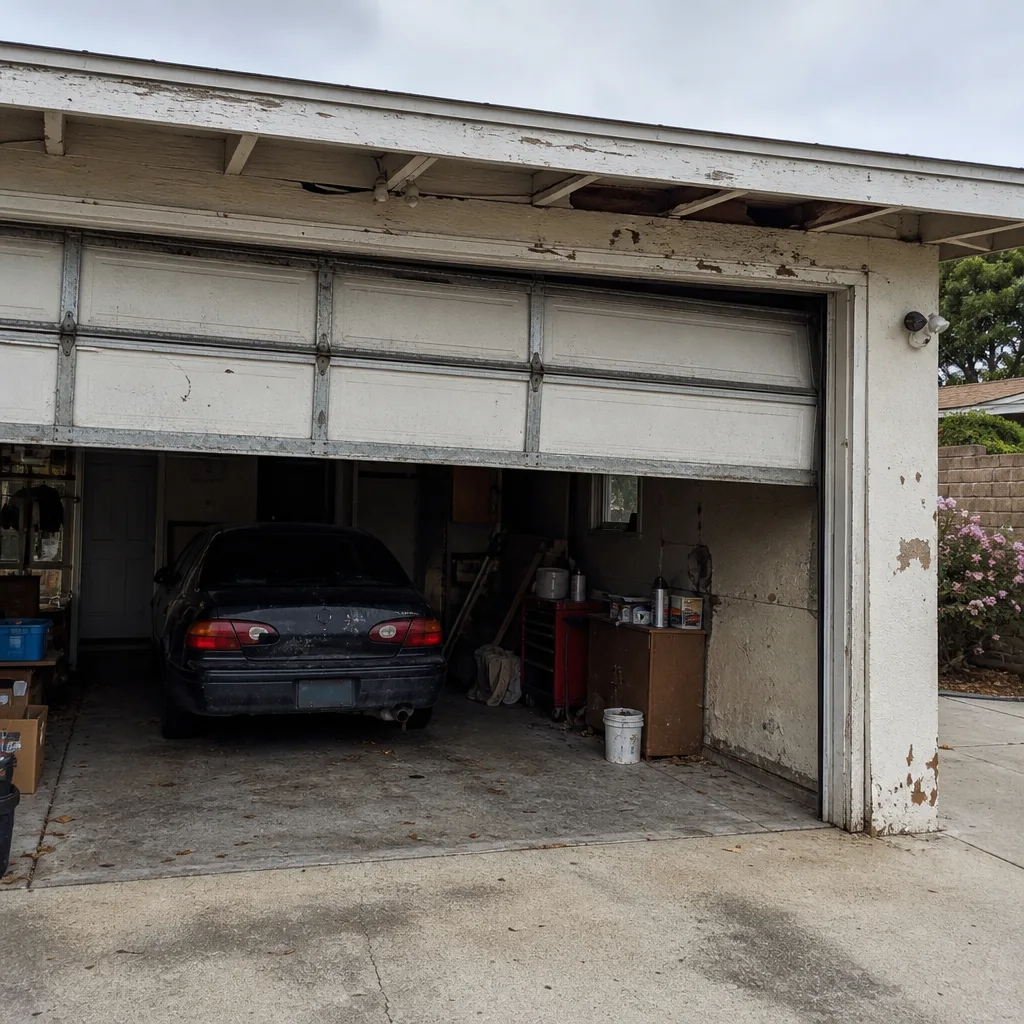 Before
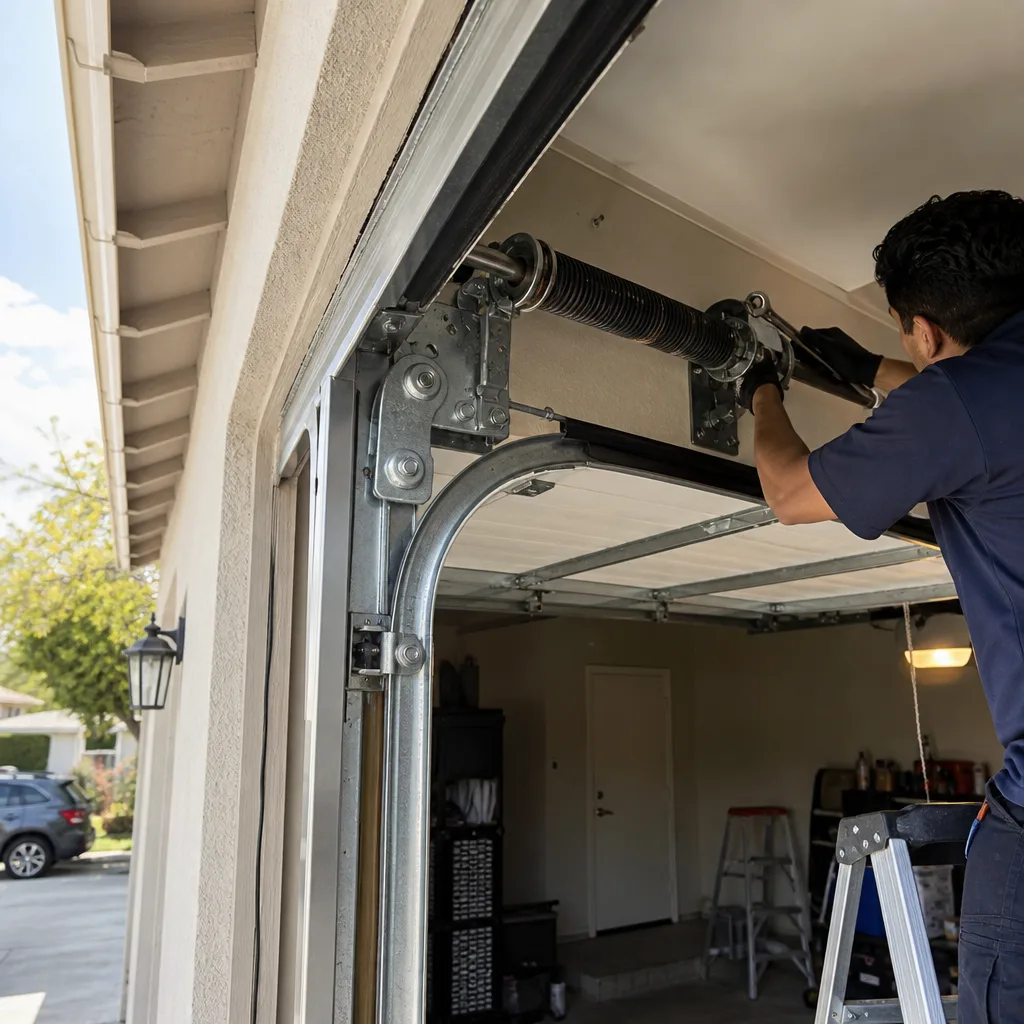 After
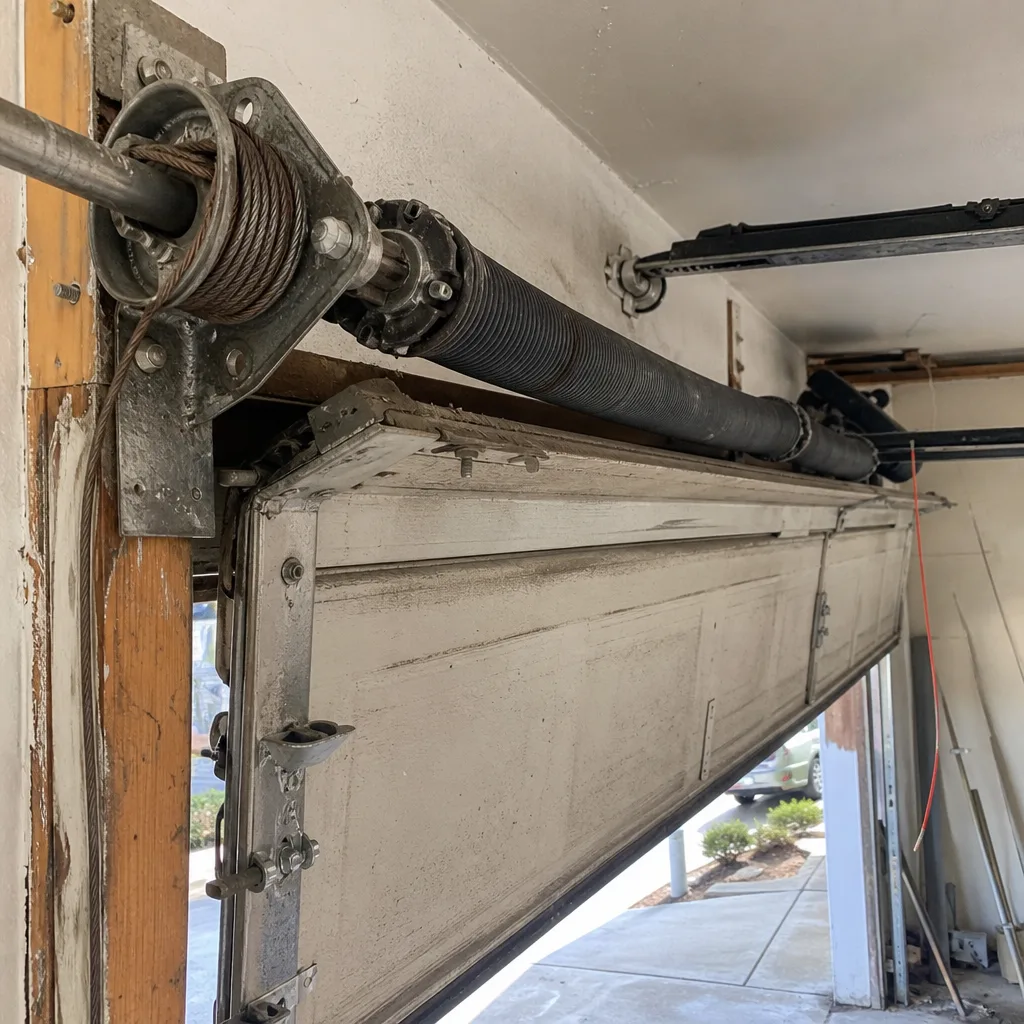 Before
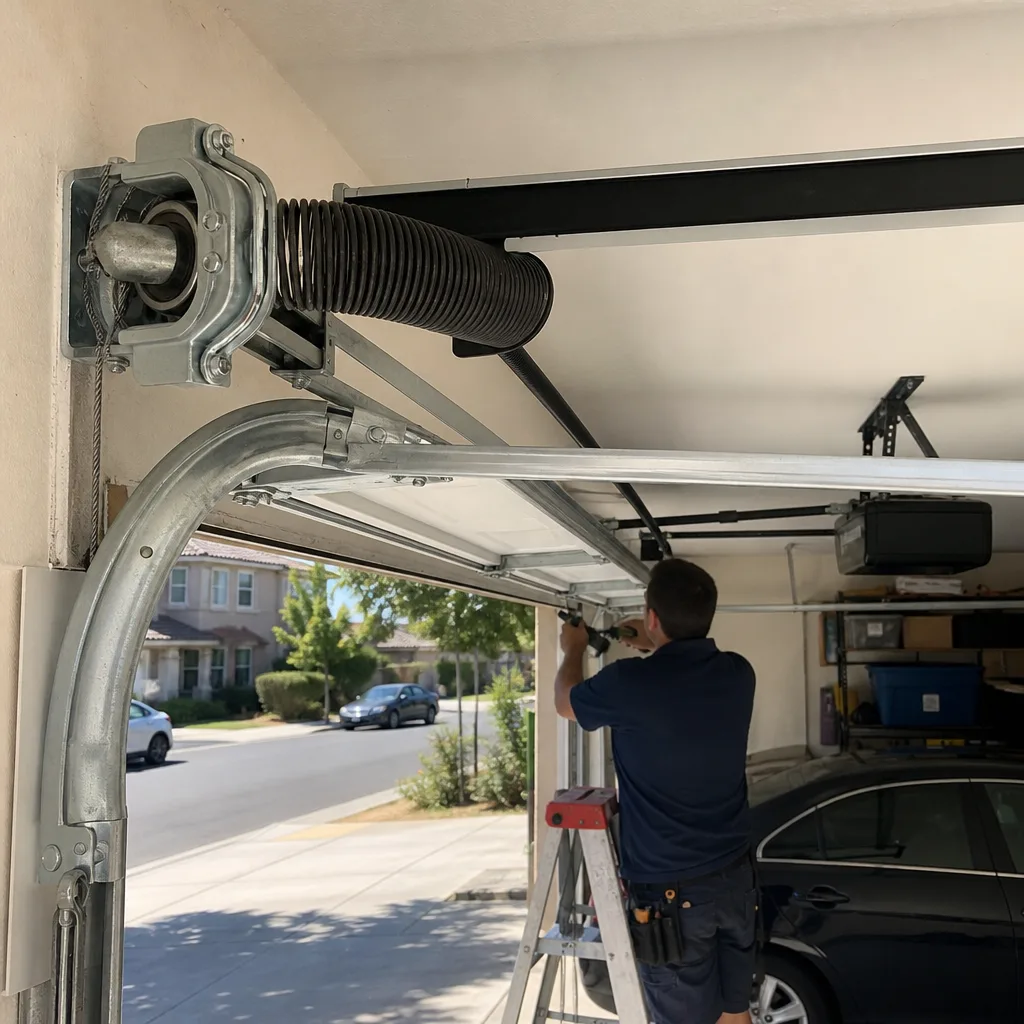 After
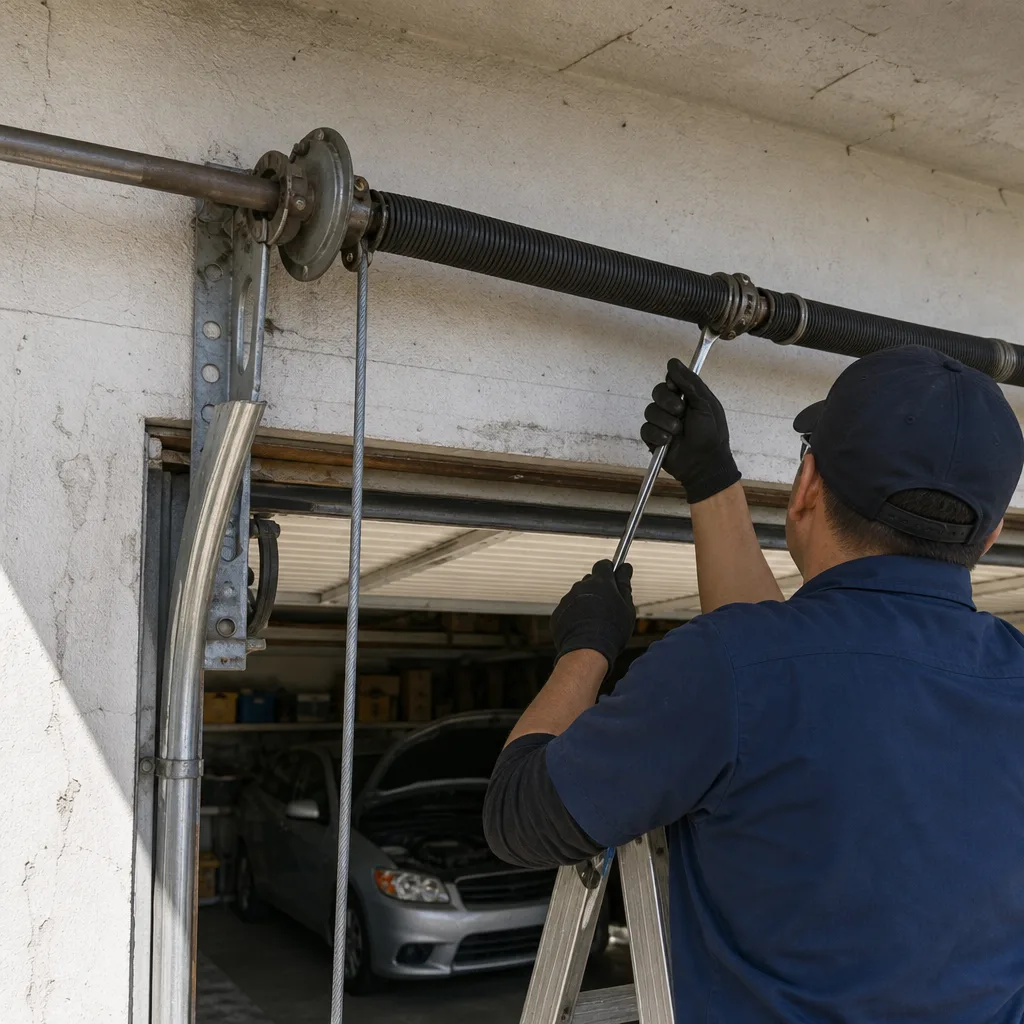 Before
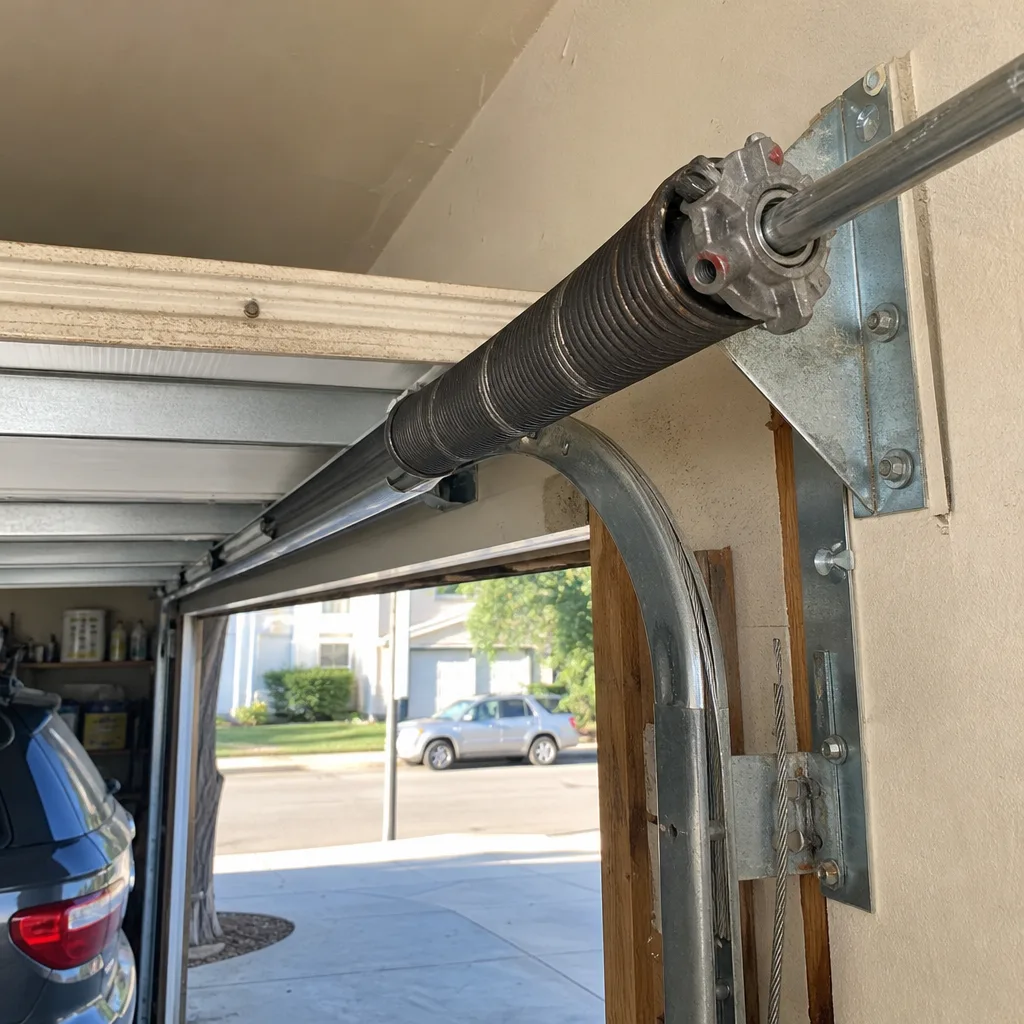 After