
Last updated November 2, 2026
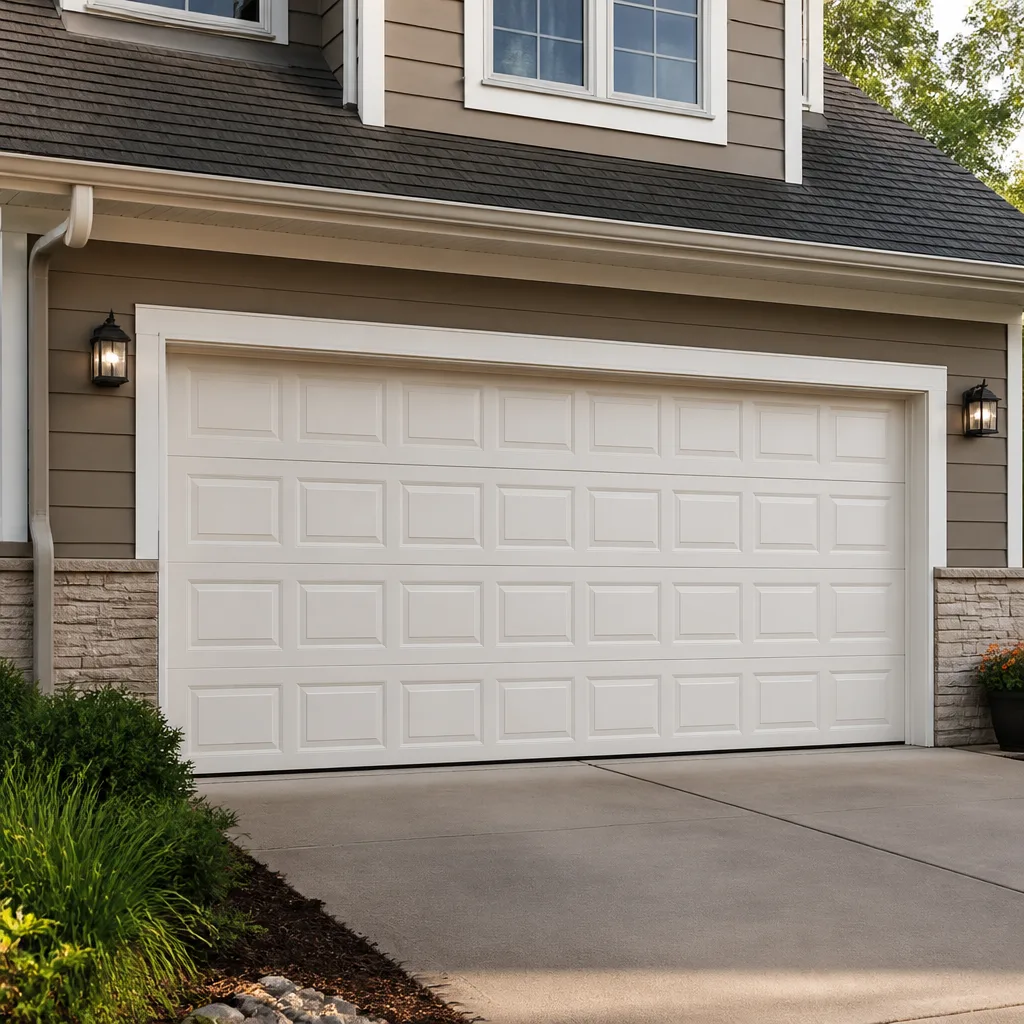 Raised-panel steel
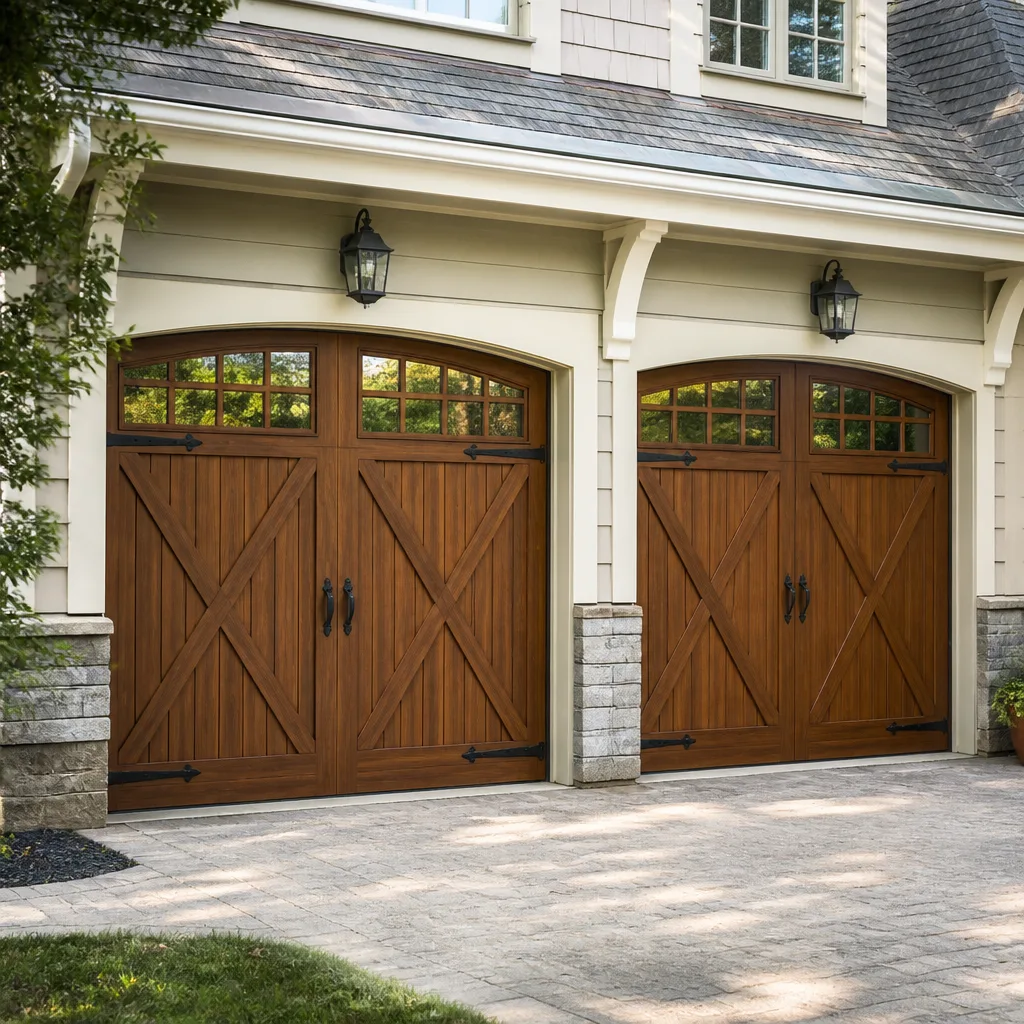 Carriage house
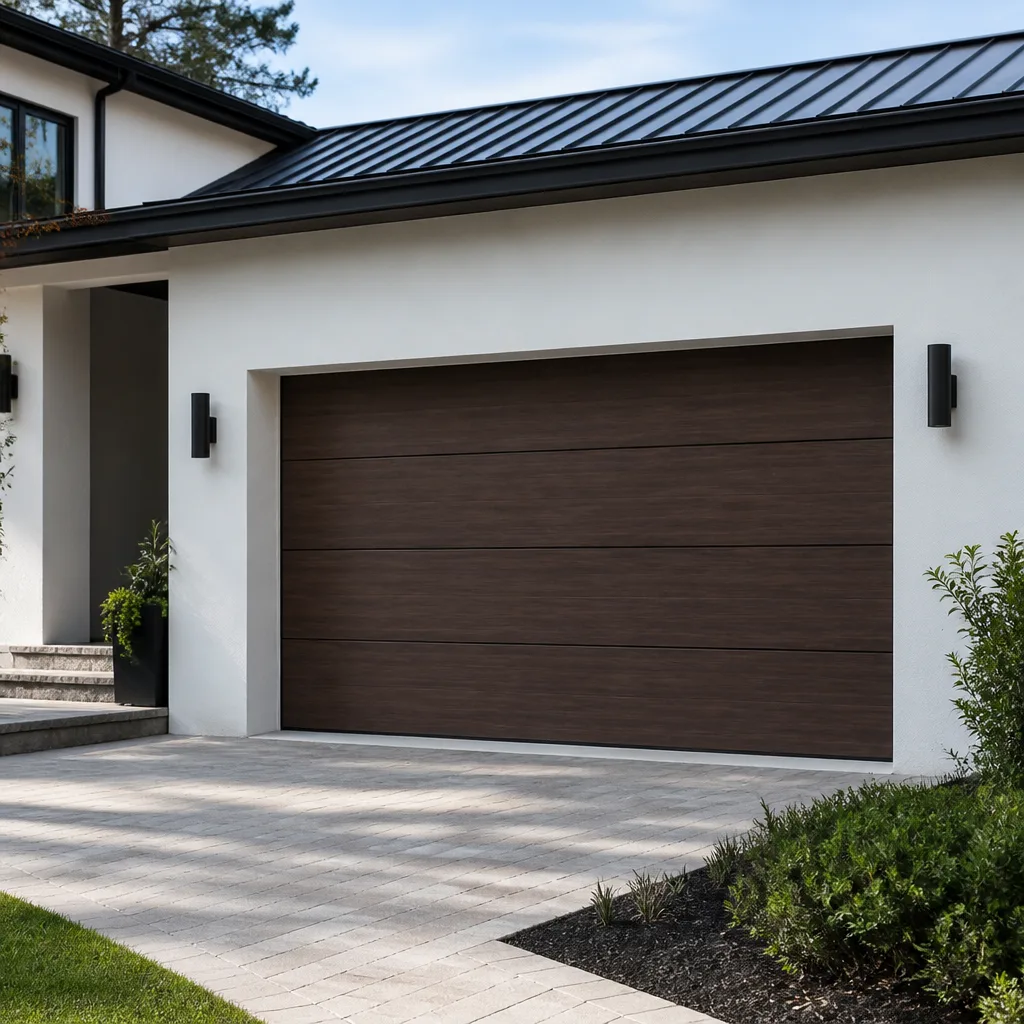 Modern flush
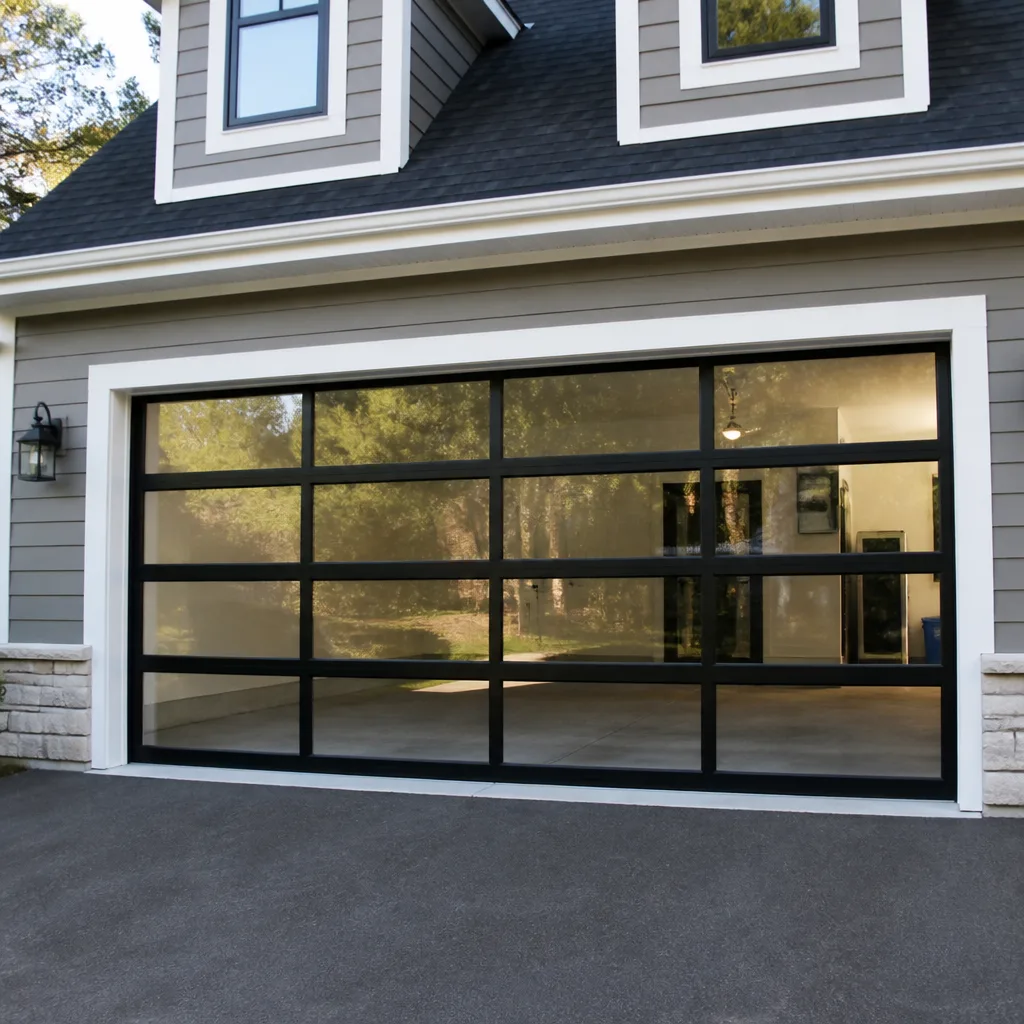 Full-view glass
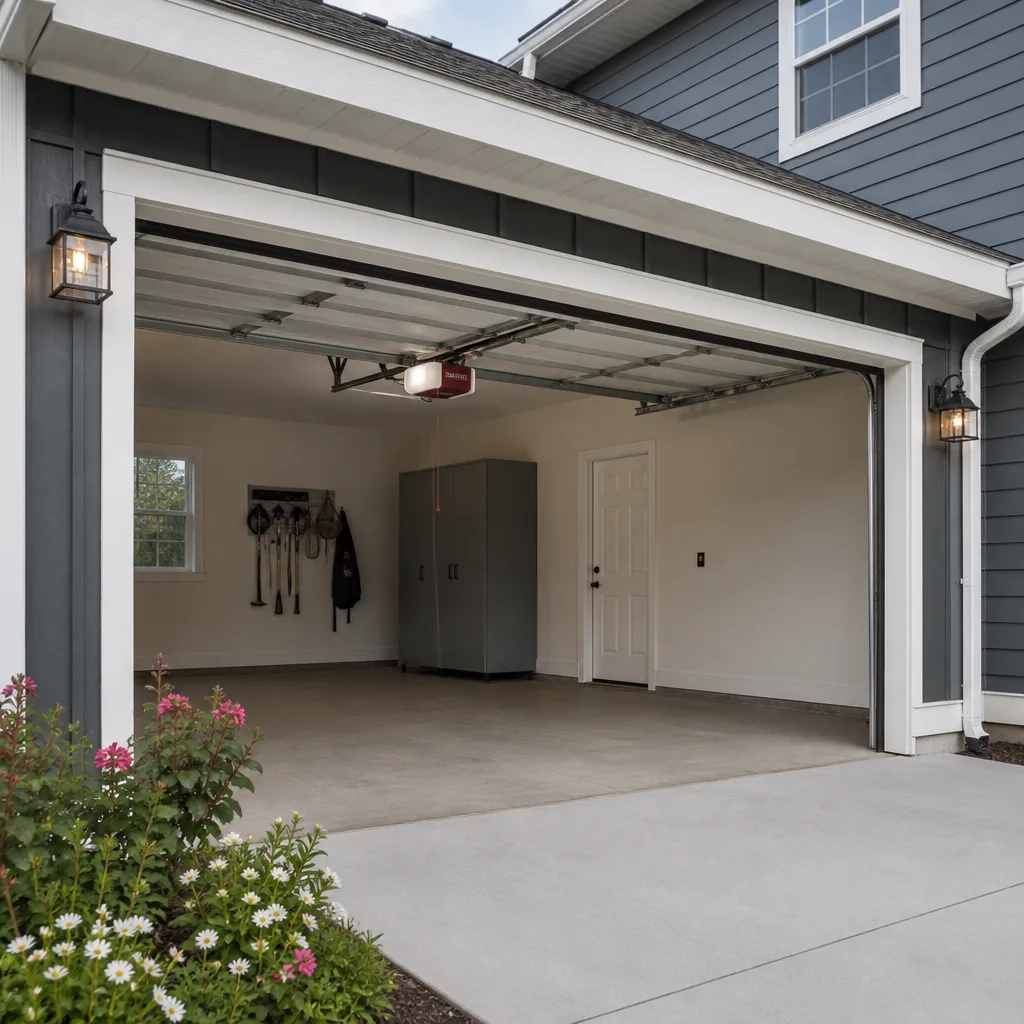 LiftMaster openers
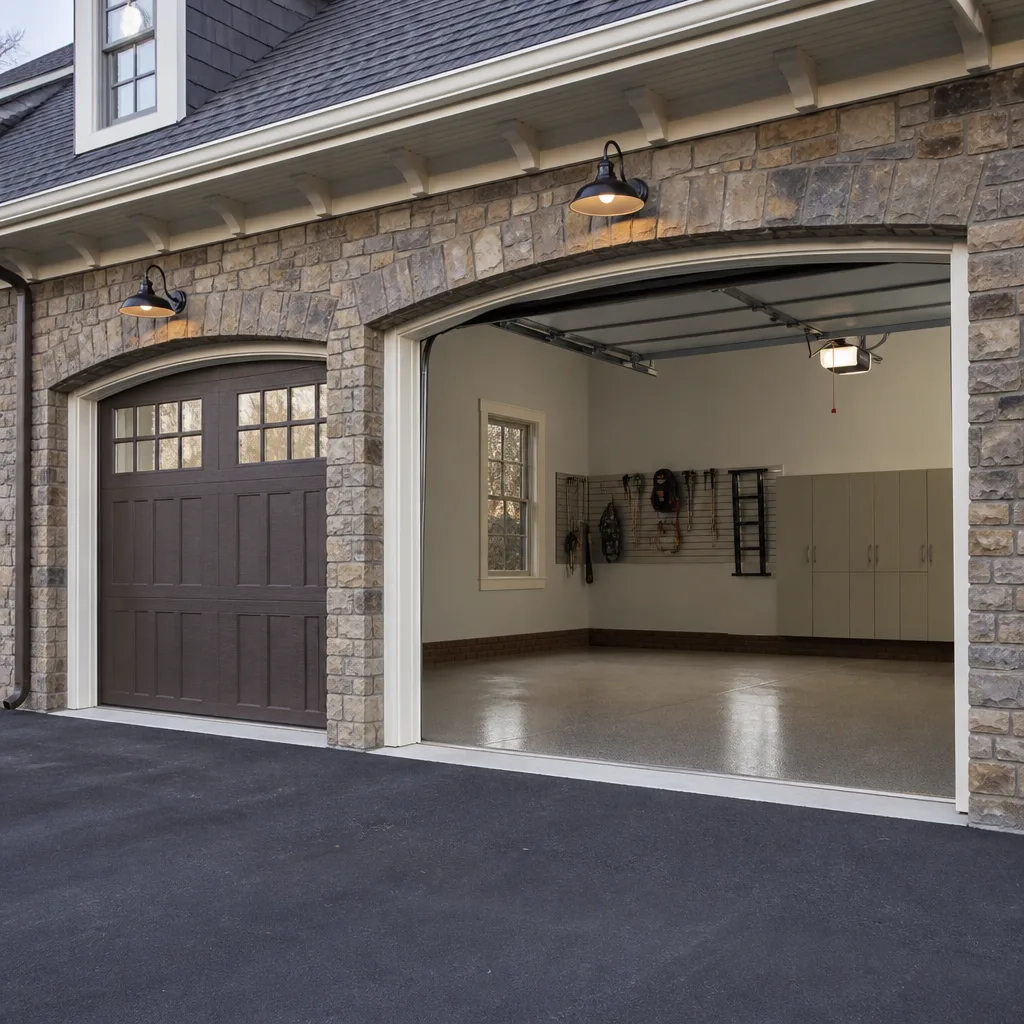 Chamberlain openers
Full 25-point door and opener safety check with every visit - springs, cables, rollers, tracks, and your LiftMaster or Chamberlain opener included
You get a price before we start. It does not change when the truck arrives.
Get your free estimateHow to Hire a Garage Door Contractor in Orange: A Step-by-Step Guide
Most homeowners in Orange assume that hiring a garage door contractor starts with checking a license and ends with comparing two or three online quotes. That assumption is exactly what gets people into trouble. Here’s the reality: California does not issue a specialty garage door contractor license. The work falls under the C-61/D-28 classification, which is a limited specialty category that covers doors, gates, and activating devices. Plenty of contractors hold a C-61 for something else entirely, like flooring or painting, and are legally permitted to take your garage door job. The license number tells you the contractor is registered and bonded. It does not tell you they know how to diagnose a Chamberlain opener logic board or reset a Wayne Dalton torsion system. This guide gives you a vetting sequence built for Orange, not a generic credential checklist, and points you to more guides & resources for ongoing maintenance.
Quick Answer
The most reliable way to hire a garage door contractor in Orange is to verify their C-61/D-28 classification, confirm they carry current general liability insurance, confirm hands-on experience with your specific door and opener brands, and get an itemized written estimate before any work begins. Skip any contractor who pressures you into an immediate decision, refuses to identify replacement parts by brand and model, or cannot explain what the C-61/D-28 classification actually covers. Ask for a diagnostic explanation before a quote, and compare itemized line items across at least two bids, not just the bottom-line number.
Styles & brands we work with
- Raised-panel steel
- Carriage house
- Modern flush
- Full-view glass
- LiftMaster openers
- Chamberlain openers
Table of Contents
- What the C-61/D-28 License Actually Covers in Orange
- Manufacturer-Authorized Dealers vs. Independent Multi-Brand Specialists
- The Three-Call Vetting Process
- Pressure Tactics to Watch For
- What a Legitimate Estimate Should Contain
- How Orange’s Climate Affects Your Garage Door System
- Common Mistakes to Avoid
- When to Call a Professional
- Frequently Asked Questions
What the C-61/D-28 License Actually Covers in Orange
The C-61/D-28 classification in California is the Limited Specialty Contractor license for “Doors, Gates, and Activating Devices.” That is the legal category under which garage door technicians operate in Orange. You will not find a more specific “garage door license” because one does not exist. The state’s licensing model groups garage doors with automatic gates, pedestrian access gates, and the motors and controls that drive them.
Here is what the C-61/D-28 license verifies:
- The contractor has passed a trade exam covering door and gate systems, not a general construction exam.
- The contractor carries a $25,000 contractor bond, which is a consumer protection measure, not a qualification guarantee.
- The contractor has registered with the California Contractors State License Board and has no active suspension or revocation on file.
What the license does not verify is the important part for Orange homeowners:
- It does not test knowledge of specific brands like Genie, Clopay, or Amarr.
- It does not require verified field experience with residential torsion spring systems.
- It does not guarantee the contractor services the opener drive system and the physical door mechanics together.
This is why the credential bar is lower than most Orange homeowners assume. A contractor with a clean CSLB record and a valid C-61/D-28 has met the minimum legal standard. Due diligence beyond the license number is what separates a technician who fixes the problem in one visit from one who returns three times. When you check a license, verify the classification number is D-28 specifically, not just C-61. A C-61 in general building does not indicate door-specific training.
Manufacturer-Authorized Dealers vs. Independent Multi-Brand Specialists
The second cut in the contractor pool is brand affiliation. This is where Orange homeowners often make an expensive assumption, one we explore in Choosing the Right Garage Door Brand: A Buyer’s Guide for Orange: that a manufacturer-authorized dealer is automatically better than an independent specialist. That is true in some cases and wrong in others, and the distinction matters for the job you are hiring for.
A manufacturer-authorized dealer has signed an agreement with a specific brand, usually LiftMaster, Genie, Clopay, or Amarr. The dealer gets direct access to factory training, priority parts ordering, and warranty processing. The trade-off is structural: the dealer’s revenue depends on moving that manufacturer’s product line. When your existing door is a Wayne Dalton and the dealer is authorized for Clopay, the recommendation you receive may be shaped by what the dealer can sell you, not what your system actually needs.
An independent multi-brand specialist works across the brands that are already installed in Orange garages. The advantage is diagnostic neutrality. We work on what you already have, whether that is a Genie opener on a Clopay door or a Chamberlain drive on an Amarr panel. The recommendation is shaped by your system’s condition and your budget, not by supplier incentives. The question to ask any contractor, authorized or independent, is direct: “What brands are you factory-familiar with?” A competent contractor answers without hesitation. A sales script hesitates.
There is also the matter of coverage. Many dealers focus on either the door or the opener. That division creates a diagnostic gap. A door specialist can spot panel damage but may misread the drive system’s role in the failure. An opener specialist can replace a motor but may miss a spring fatigue pattern that caused the opener to burn out in the first place. Full-system competence is rare, and it is what you should be selecting for.
The Three-Call Vetting Process
Most Orange homeowners make one call, get one quote, and hire on price. That is a lottery ticket. The better method is a three-call sequence that reveals competence versus scripting before you commit to a site visit. Each call takes ten minutes. The total process takes under an hour and saves you from the most common hiring mistakes in the garage door industry.
Call One: The Classification Call
- Ask for the contractor’s CSLB license number and classification. Write it down.
- Ask directly: “Is your classification D-28, and is it active right now?”
- Ask if they carry general liability insurance and whether they can provide a certificate naming you as the insured party for the date of service.
- Listen for hesitation. A contractor who deflects on insurance or fumbles the classification is telling you something.
- Verify the license number on the CSLB website while you are still on the call. The good contractors expect this and welcome it.
Call Two: The Brand and System Call
- Describe your garage door and opener by brand and approximate age. Be honest if you do not know the model.
- Ask: “Do your technicians work on this brand regularly, and do you carry parts for it on the truck?”
- Ask: “When you diagnose, do you look at the door and the opener together, or does that require separate visits?”
- Ask: “If the spring has failed, will you replace the pair or just the one that snapped?”
- The answer to the spring question is revealing. A competent technician replaces both springs as a matched set. A contractor trying to save you money at the cost of reliability does not.
Call Three: The Process Call
- Ask: “Will you give me a written estimate before starting work, and will the price be fixed once I approve it?”
- Ask: “When you provide the estimate, will it show the brand and model of each replacement part separately from labor?”
- Ask: “What is your diagnostic process? Do you identify the problem first and then quote the solution?”
- Ask: “What happens if you find something unrelated during the repair? Do I approve the additional work in writing before you proceed?”
- Listen for process clarity. A contractor who can explain their sequence without a script is one who has done this long enough to be trusted.
After three calls, you will have eliminated the contractors who hide behind vague answers, and you will have a shortlist of one or two who speak like diagnosticians, not order-takers. That shortlist is worth a site visit. The price-only contractor never was.
Pressure Tactics to Watch For
The garage door industry has a specific set of pressure moves, and they are common enough in Orange that you should recognize them in real time. None of them are used by contractors who expect you to become a repeat customer. They are used by contractors who expect to see you once.
- The same-day urgency close: “I can do it right now for X, but if I come back tomorrow it will be X plus a trip charge.” This tactic weaponizes your broken spring against you. A broken spring is urgent and should be fixed soon, but the price should not depend on you deciding within thirty seconds. A legitimate contractor quotes the same price whether you book for today or Thursday.
- The “your spring is about to snap” upsell: During a routine opener repair, the technician points to your springs and says one is about to fail, and it is dangerous to leave it. Sometimes that is true. Sometimes it is a revenue bolt-on. The defense is simple: ask the technician to show you specifically what they are seeing. Fatigue cracks, elongation, and visible gaps in a torsion spring are demonstrable. “It looks old” is not a diagnosis.
- The hidden trip-charge pivot: “I need $80 to come out and look.” Then after the look, the $80 is not credited toward the repair. A contractor who applies the diagnostic fee toward the approved work is behaving normally. One who keeps it and then charges full freight is telling you what the rest of the job will feel like.
- The mystery-brand discount: “I can do it for less if I use a generic spring.” There is no generic spring worth installing. The spring size, wire gauge, and cycle rating are matched to your specific door weight. A no-name spring with an unclear cycle rating costs less because it is built to fail sooner. Ask for the brand and cycle rating. If the contractor cannot tell you both, the spring is a liability dressed as a savings.
These pressure tactics are all recognizable in the moment. The common thread is that each one asks you to decide faster than the information would allow. The correct response is always the same: slow down, ask for the specifics, and call another contractor if the answer does not arrive.
What a Legitimate Estimate Should Contain
An estimate from a garage door contractor in Orange is a diagnostic document, not just a price. If the estimate is one number at the bottom of a sheet without any breakdown, you are not looking at an estimate. You are looking at a bid for an unspecified job. That is a red flag in any trade, and it is especially concerning in garage door work where the difference between a quality part and a cheap one is measured in years of service life.
A legitimate garage door estimate contains these line items, separated and specific:
- Diagnosis: A written statement of the problem. “Torsion spring failure on right side, spring measured at X pounds of lift” is a diagnosis. “Spring is broken” is an observation.
- Replacement parts by brand and model: Not “new springs.” It should read something like “Two 0.225 x 2 x 24-inch torsion springs, 30,000-cycle rated, matched pair.” If the brand is Clopay, Amarr, or Wayne Dalton, it should be named. If the contractor will not name the part, assume it is the cheapest available and priced like it is not.
- Labor scope: What exactly is being done. “Replace both springs, lubricate all moving parts, test door balance, adjust opener force settings.” The labor scope tells you whether the contractor plans to tune the whole system or just swap the failed part and leave.
- Opener-specific items, separately listed: If the opener is involved, the estimate should specify the brand and model of any replacement board, gear, or motor assembly. A Chamberlain logic board and a Genie logic board are not interchangeable, and the estimate should prove the contractor knows which one your system uses.
- Warranty on parts and labor, stated in months or years: Not “warranty included.” An estimate that does not say how long the warranty runs is an estimate that gives you no remedy when the work fails in ninety days.
- Total price, fixed and approved before work begins: The quote should survive contact with the job site. If the contractor discovers something unexpected during the repair, the additional scope should come to you in writing before any additional work proceeds.
We identify the problem before we quote the solution. That sequence protects you from paying for a diagnosis that becomes an upsell, and it protects the contractor from a customer who thinks the price should have included a whole different scope. Compare the itemized estimates, not just the bottom lines. Two quotes at $600 often represent very different parts and very different warranties.
How Orange’s Climate Affects Your Garage Door System
Orange sits in a mild Mediterranean climate with wet winters, dry summers, and persistent coastal influence. The climate is kind to garage doors by California standards, but it creates specific wear patterns – covered in our Seasonal Garage Door Care for Orange: Year-Round Homeowner’s Guide – that homeowners should understand before hiring a contractor.
The dry summer and fall seasons in Orange mean low humidity and predictable thermal expansion. Metal components, especially springs and track hardware, expand and contract daily with temperature swings between warm afternoons and cool nights. Over years, that cycling creates fatigue in torsion springs and micro-loosening in track bolts and hinge hardware. The failure is usually gradual, not sudden, and a homeowner who notices a stiffer door or a noisier open cycle in late summer is often feeling the early signs of spring fatigue, not a lubrication issue.
The wet winter months bring a different set of concerns. Rainwater that channels down the driveway and pools near the weatherstripping accelerates rust on bottom brackets and cables. Garage door technicians in Orange see more cable fraying and bottom bracket corrosion in February than any other month. The fix is preventive replacement of weatherstripping and a seasonal inspection, not emergency surgery in a rainstorm.
The practical implication for hiring is this: ask your contractor what they check beyond the obvious failure. A technician who inspects the full system, the cables, the track alignment, the opener force settings, the balance, the weatherstripping, is doing the job right for Orange’s conditions. A technician who only replaces the broken part is giving you a temporary fix and a future service call. Your garage door is your home’s largest security barrier, and its service schedule should reflect the climate it operates in.
Common Mistakes to Avoid
- Hiring on price alone. Two quotes at the same bottom line can differ by hundreds of dollars in parts quality. The $99 spring special in Orange is a spring with a low cycle rating, which translates to another failure in two years instead of ten. The cheapest quote is rarely the cheapest over the life of the door.
- Asking only about licensing and stopping there. The C-61/D-28 classification is the legal minimum and nothing more. A contractor with a valid license and no brand experience is still a contractor who will learn on your garage door. Ask about brand familiarity and parts on the truck.
- Accepting a verbal quote. If the price is not written down with parts separated from labor, you have no remedy when the invoice arrives higher than the handshake number. A contractor who will not write it down is a contractor who does not want you to compare it.
- Ignoring the opener when the door is the symptom. A door that opens slowly, reverses partway, or strains against the opener is often a spring problem being amplified by an overtaxed drive system. Hiring a door-only specialist may fix the spring and leave the opener damaged. Hire a contractor who services both.
- Deferring maintenance until the door fails completely. Garage doors in Orange do not fail gracefully. A noisy operation, a visible gap in a spring, a fraying cable, all of these are warnings. The time to hire a contractor is when the warning appears, not when the door is stuck half open during a winter downpour.
- Trusting a Google rating without checking the review pattern. A contractor with a perfect five-star rating and two hundred reviews may have earned every one of them, or they may have churned through customers with aggressive pricing and short-term fixes. Read the two-star and three-star reviews. That is where the truth about warranty follow-up and post-repair responsiveness lives.
- Failing to ask who will actually do the work. Some Orange contractors send a different technician than the one you vetted on the phone. Ask for the name of the technician who will arrive, and verify credentials when they ring the bell.
When to Call a Professional
There are garage door problems that tolerate a delay and garage door problems that do not. A squeaky hinge can wait for a scheduled visit. A snapped torsion spring cannot, and attempting to reset or replace one without the correct winding bars and training is a genuine safety risk. The springs on a residential garage door in Orange hold enough tension to cause serious injury if released improperly. If your door has a broken spring, a frayed cable, a bent track, or an opener that runs but will not move the door, stop using the door and make the call – our Complete Garage Door Repair Guide for Orange Homeowners explains what to expect.
You do not need to have a diagnosis before you call. A good contractor will identify the problem, explain it in plain language, and quote the solution before asking for your approval. Citadel Garage Door Repair offers free estimates in Orange. Call (844) 320-8271 and a technician will help you understand what is wrong and what it will take to set it right.
Frequently Asked Questions
Repair costs in Orange vary by the specific failure, but a typical torsion spring replacement pair, the most common repair, runs between $250 and $450 with parts and labor, while an opener logic board replacement typically lands between $180 and $350, and cable or bracket repairs usually fall between $150 and $300. The parts used and the cycle rating of the springs drive most of the variance. Get an itemized written quote, and ask specifically for the brand and cycle rating of any replacement spring before you approve the work. Call (844) 320-8271 for a free estimate, quoted before any work begins.
Most residential garage door repairs and replacements in Orange do not require a city permit when the work stays within the existing opening and does not alter structural framing. The exception is any job involving header modification, new structural supports, or a change to the rough opening, which would trigger a building permit through the City of Orange Planning and Building departments. A competent contractor will tell you during the estimate whether your job falls into the permit-free category or requires city review.
Same-day service is available for many common repairs in Orange, including broken spring replacement, opener failures, and cable or bracket repairs. The limiting factor is parts and technician availability, not the nature of the work. For a spring or cable replacement, many Orange contractors carry the parts on the truck and can complete the job on the first visit. Larger jobs, like full door replacement, require a measure and a parts order, and are scheduled, not dispatched. Call (844) 320-8271 to see what today’s schedule allows.
It should not, as long as you have provided an accurate description over the phone. A legitimate contractor quotes a fixed price based on your description and the visible condition of the system, then stands by that quote unless the on-site inspection reveals a materially different condition. If that happens, the additional scope must come to you in writing before the work proceeds. You should never be presented with a new, higher price at the end of a job you already approved.
Yes. All California contractors, including C-61/D-28 garage door specialists, must carry a contractor bond, and active general liability insurance is a standard requirement for any legitimate operation. Workers’ compensation insurance is also required for any contractor with employees. Ask for a certificate of insurance before the technician arrives, and verify the contractor’s license status on the CSLB website while you are at it.
Not necessarily. If your door is still under warranty, some manufacturers require an authorized dealer to perform warranty work. If the warranty has expired, which is the case for most doors in Orange, any competent contractor with hands-on experience on your specific brand can perform the repair. The important selection criteria are brand familiarity and parts sourcing capability, not dealership status. An independent multi-brand specialist can service a Genie opener and a Clopay door in the same visit without the limitations of a single-manufacturer parts pipeline.
Ask for their CSLB license number and verify the D-28 classification, ask if they are factory-familiar with your specific door and opener brands, ask whether they diagnose the door and opener as a system or treat them separately, ask for an itemized written estimate separating parts from labor with brands and models specified, and ask if the price is fixed before work begins. The answers reveal whether you are talking to a diagnostician or a sales closer. For a free estimate and direct answers, call (844) 320-8271.
The Bottom Line
Hiring a garage door contractor in Orange is not about finding the highest rating or the lowest price. It is about verifying the D-28 classification, testing brand familiarity against your actual door and opener, and demanding an itemized written estimate that names the parts and the labor separately. The contractor with the best Google rating is not automatically the one qualified to work on your system. The contractor with the cheapest quote is not automatically the one who will still be reachable when the warranty matters. Do the three calls. Check the license. Ask the spring question. Compare the itemized lines. Your garage door is your home’s largest security barrier, and the contractor you choose is deciding how well it will hold. For complete service across door and opener brands, visit the Citadel Garage Door Repair home page, or explore Garage Door Repair in Orange, Garage Door Opener Repair in Orange, and Garage Door Installation in Orange. Call (844) 320-8271 for a free estimate, quoted and agreed before any work starts.
Written by the team at Citadel Garage Door Repair, serving Orange since 2018.
See the difference
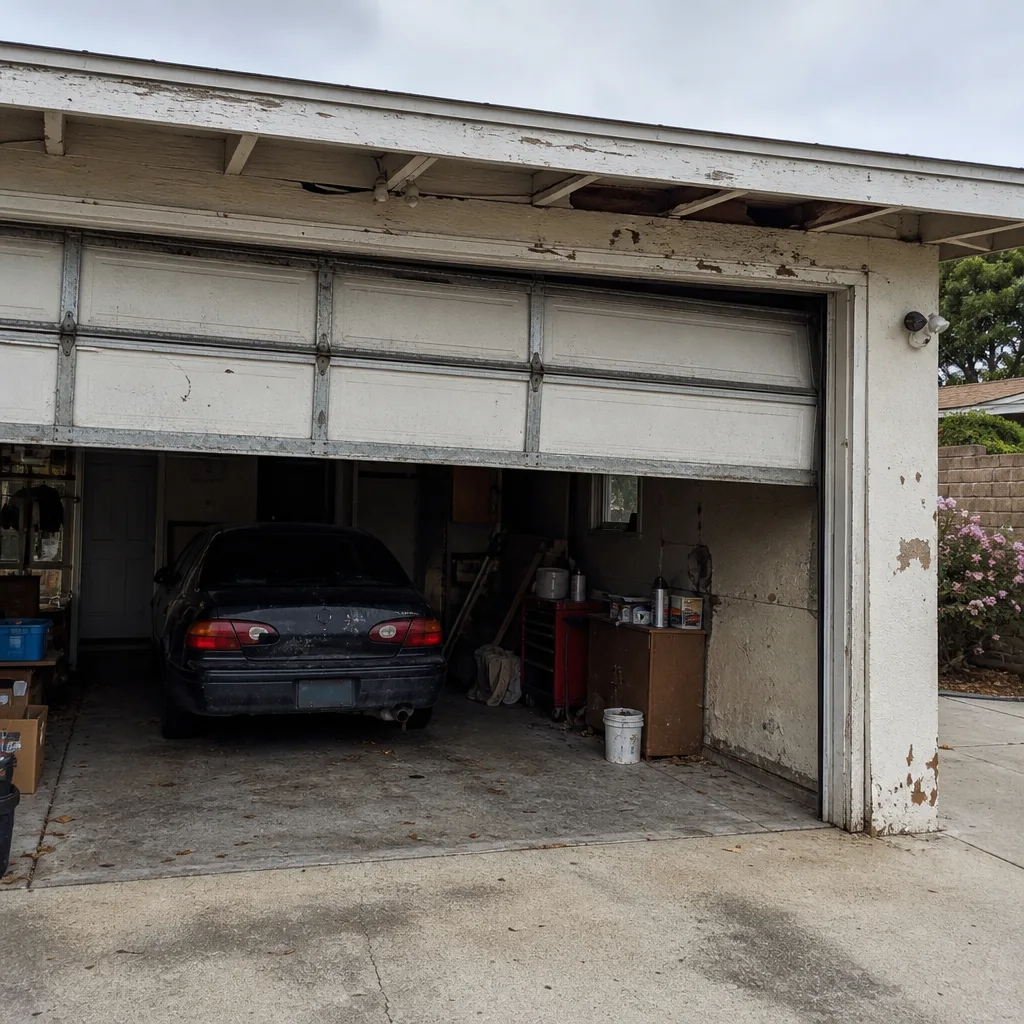 Before
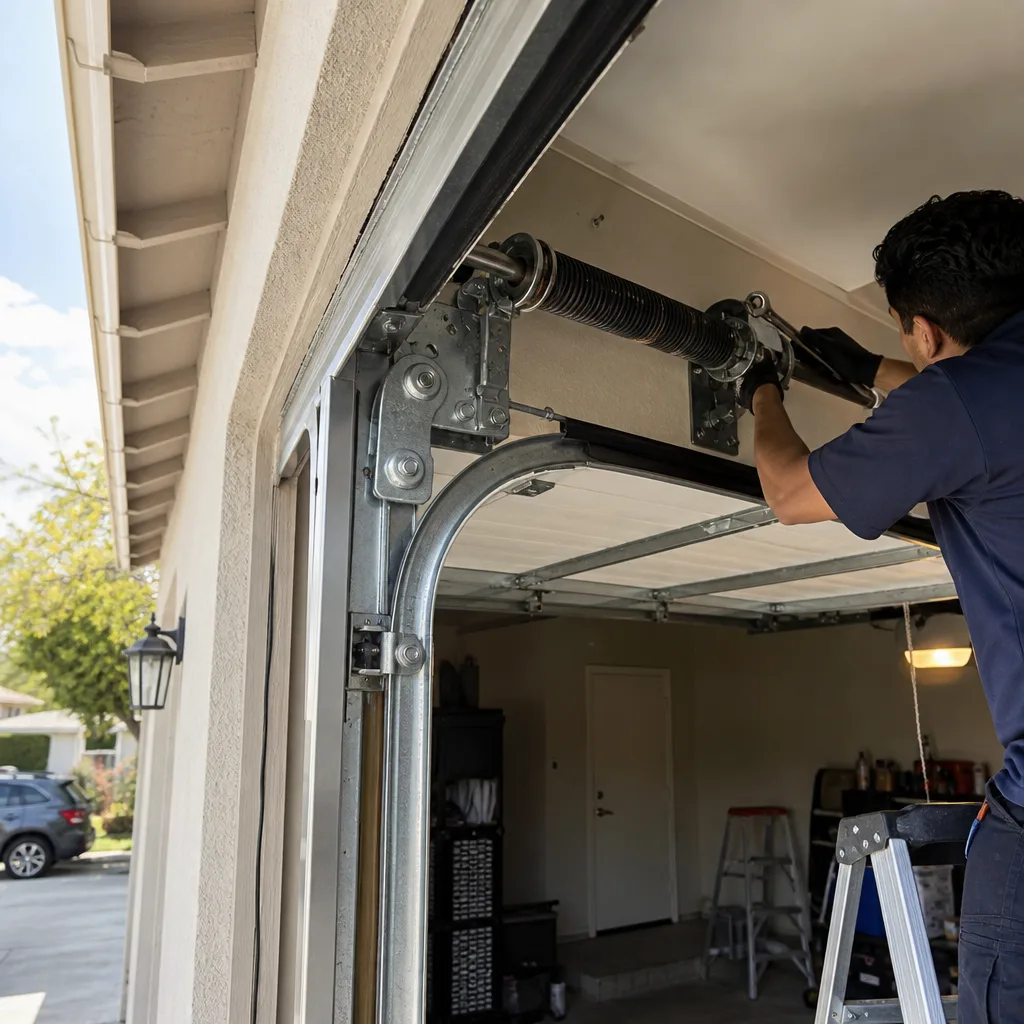 After
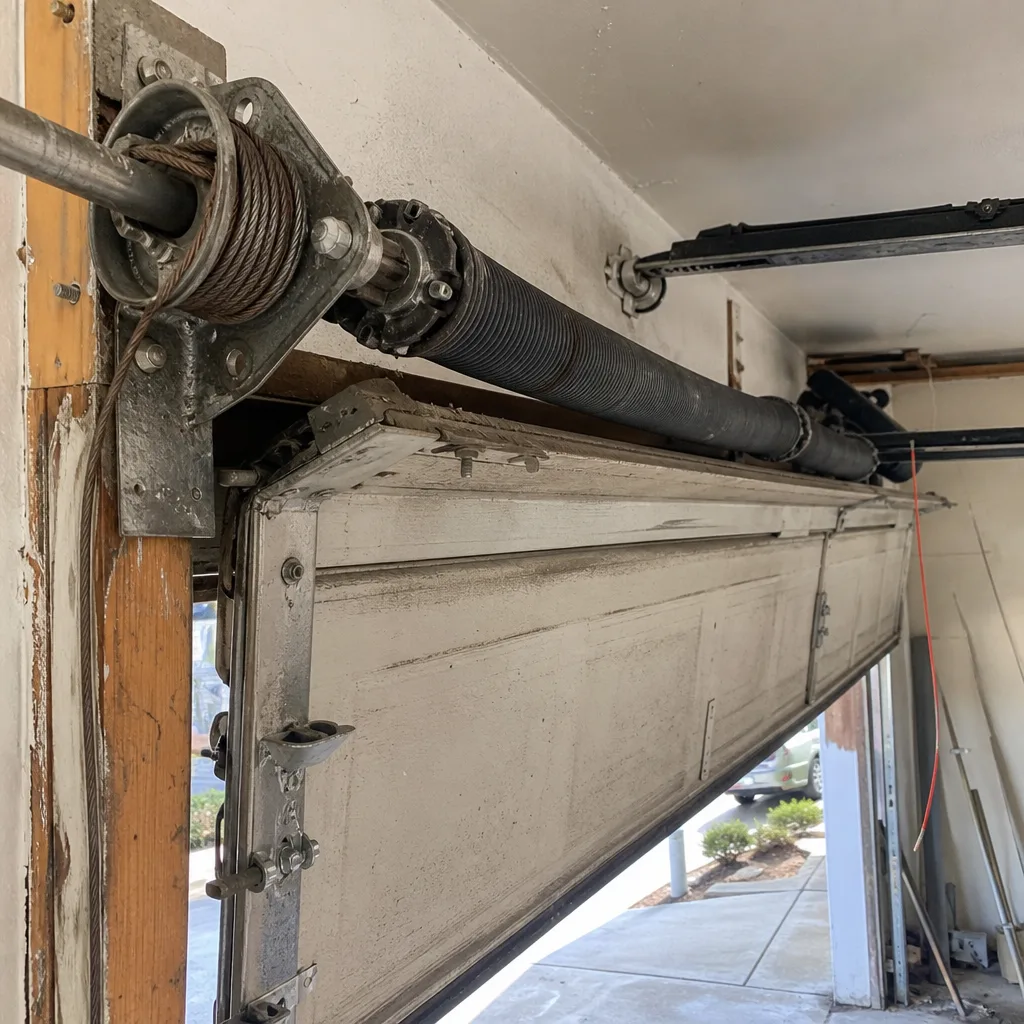 Before
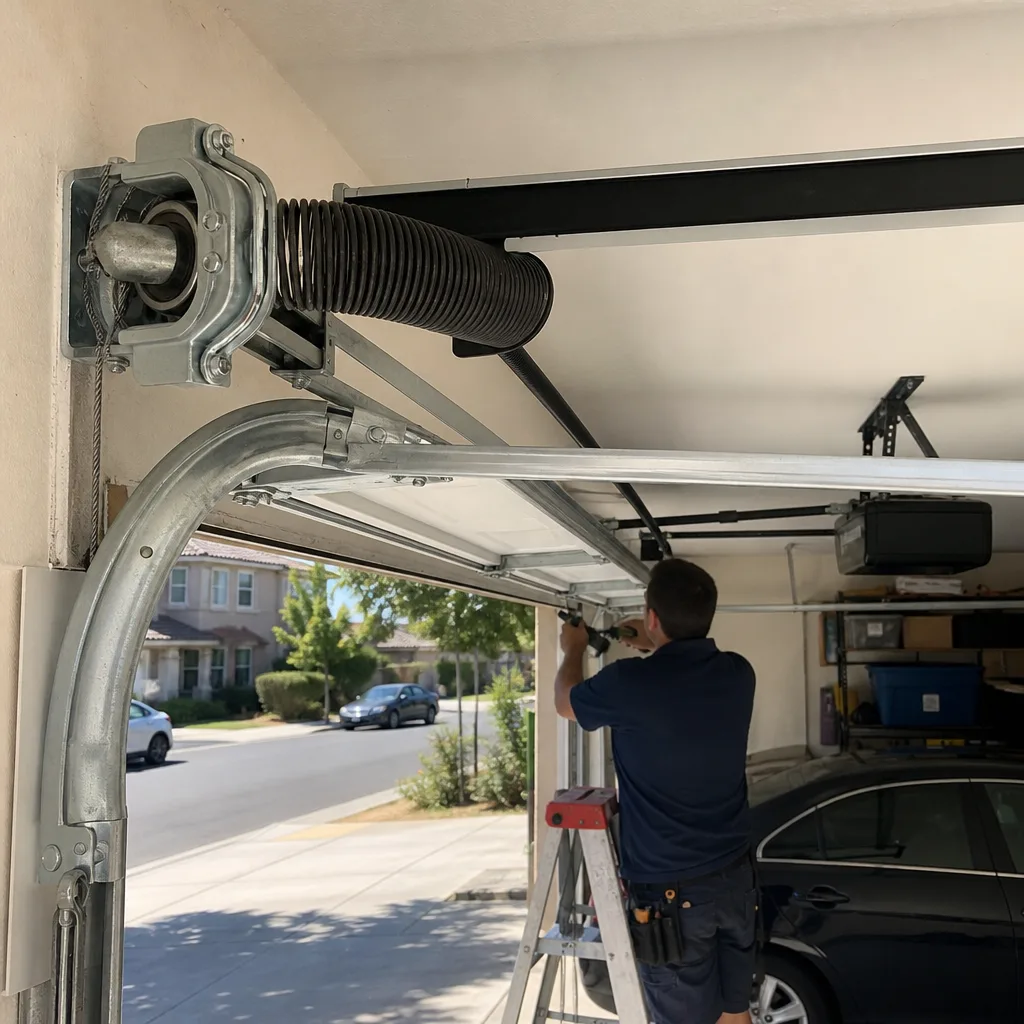 After
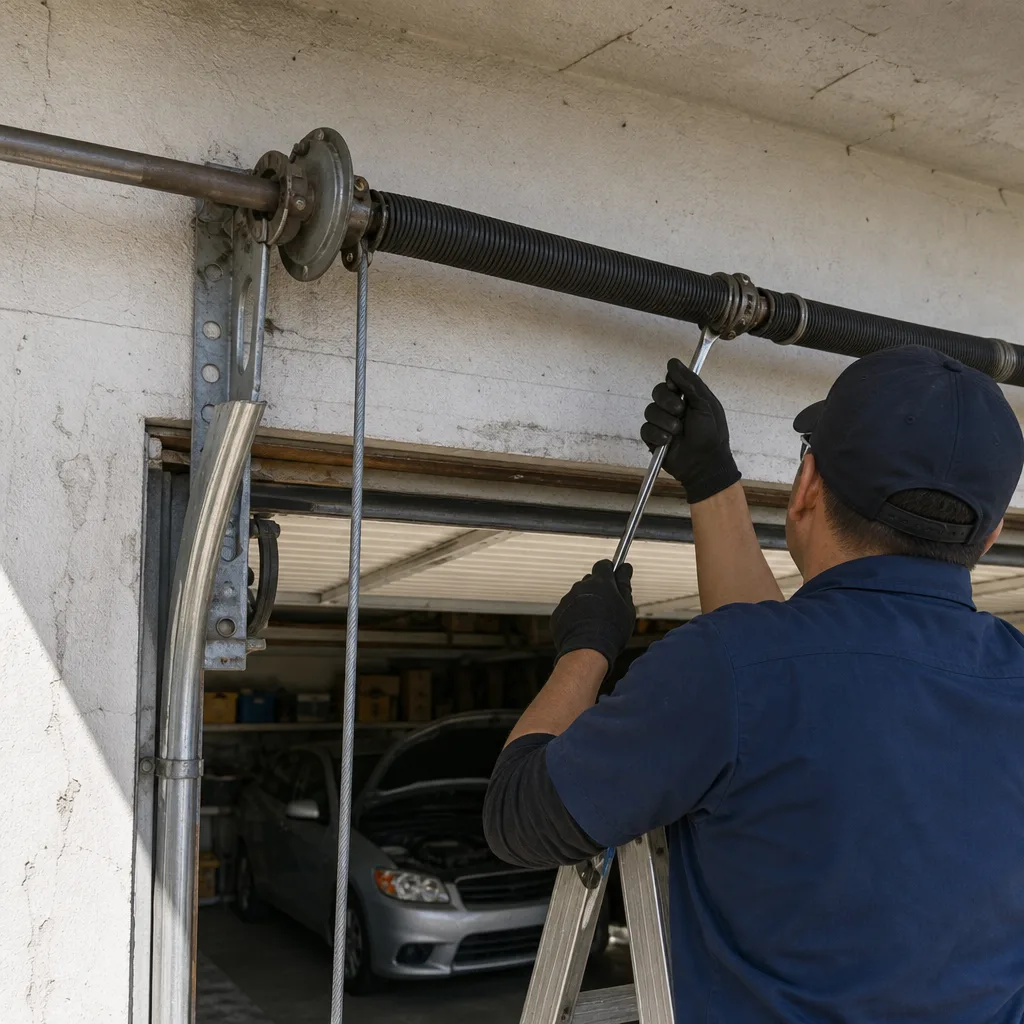 Before
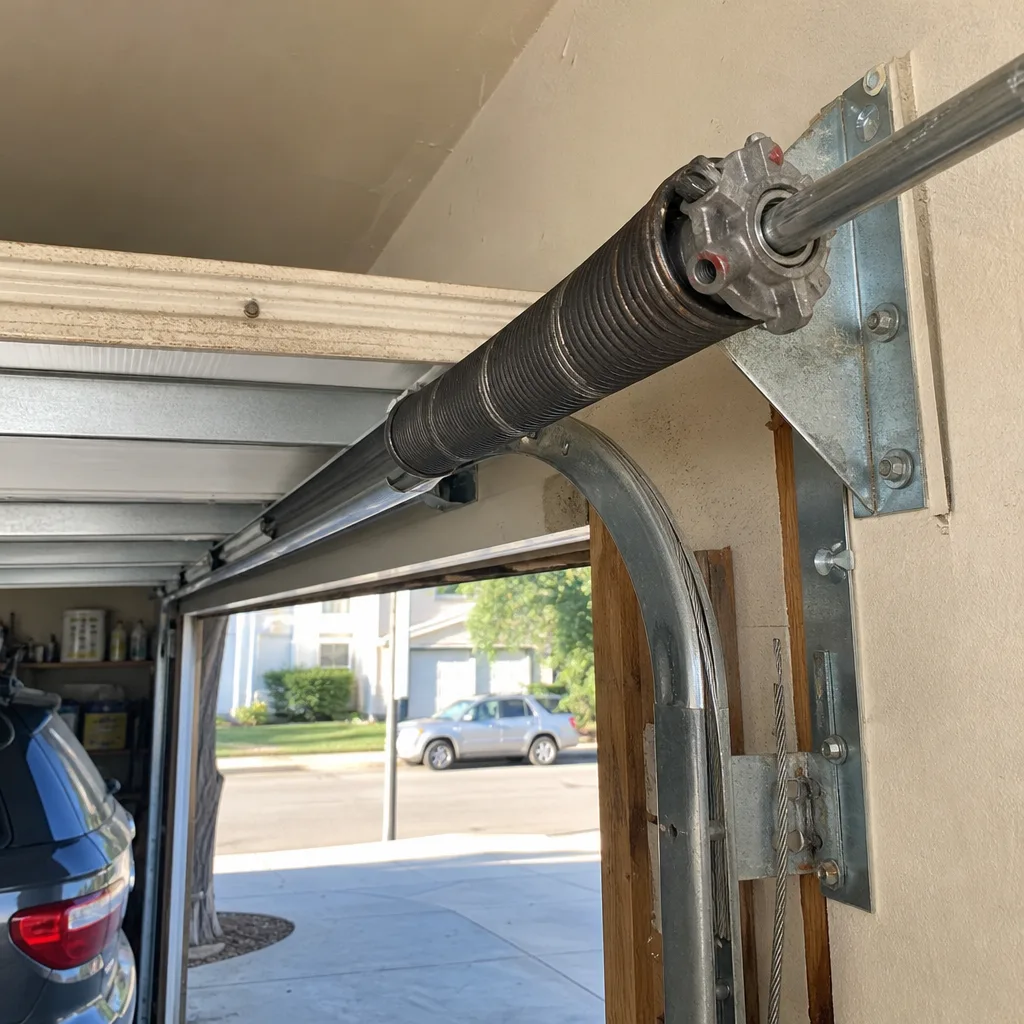 After