
Last updated November 2, 2026
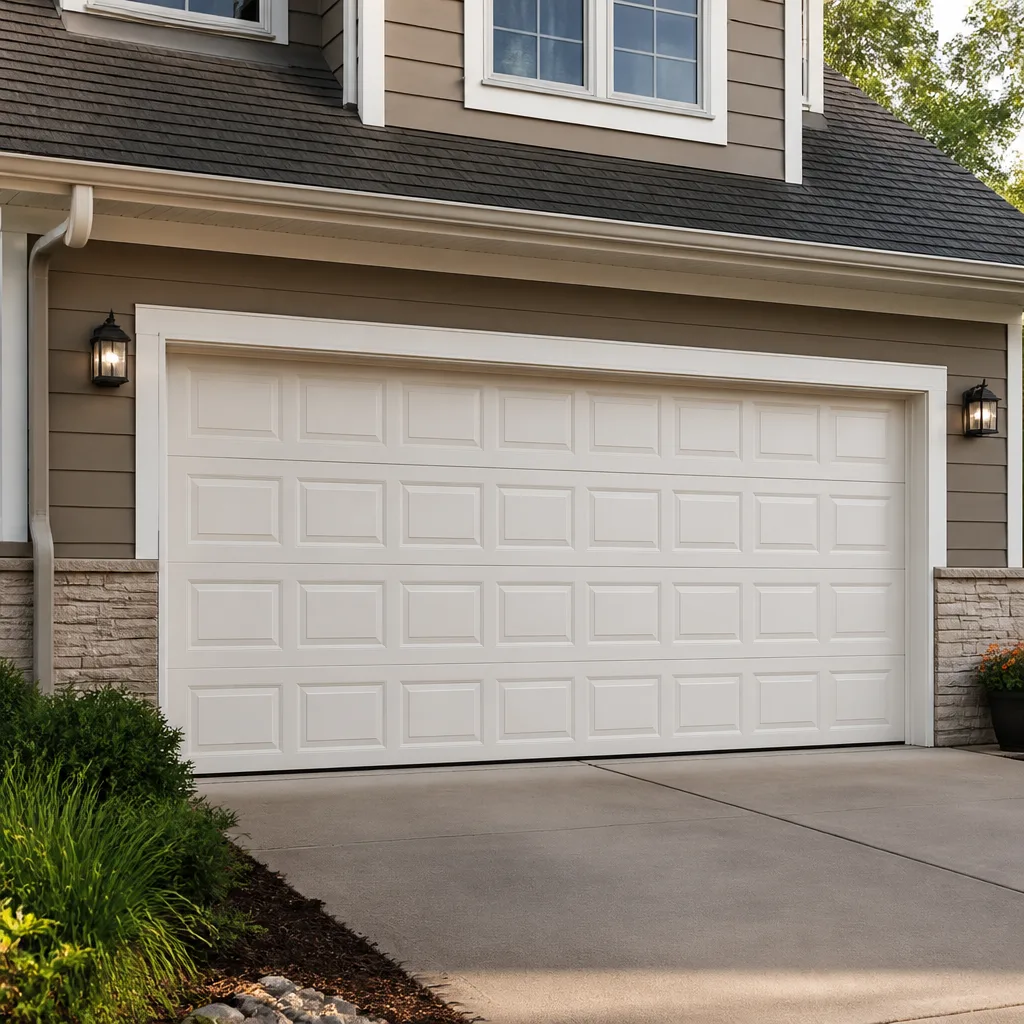 Raised-panel steel
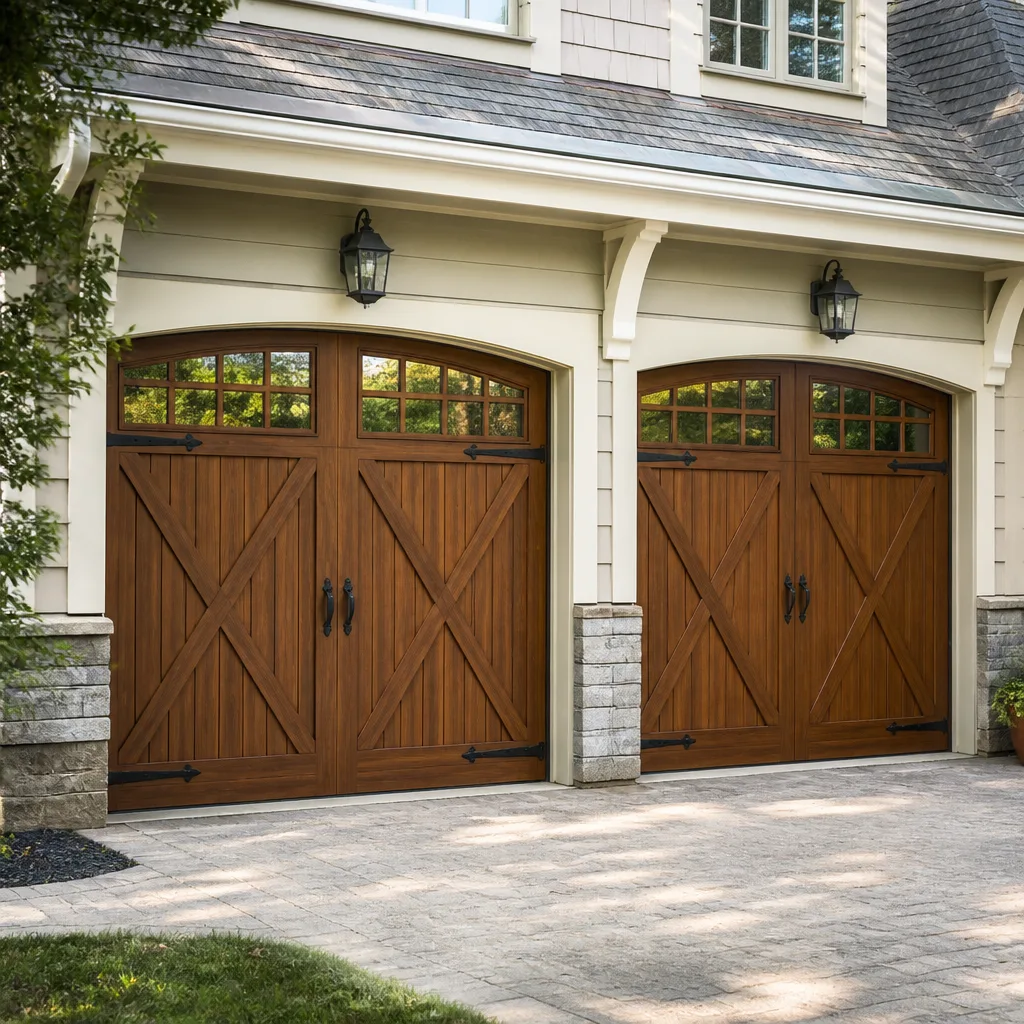 Carriage house
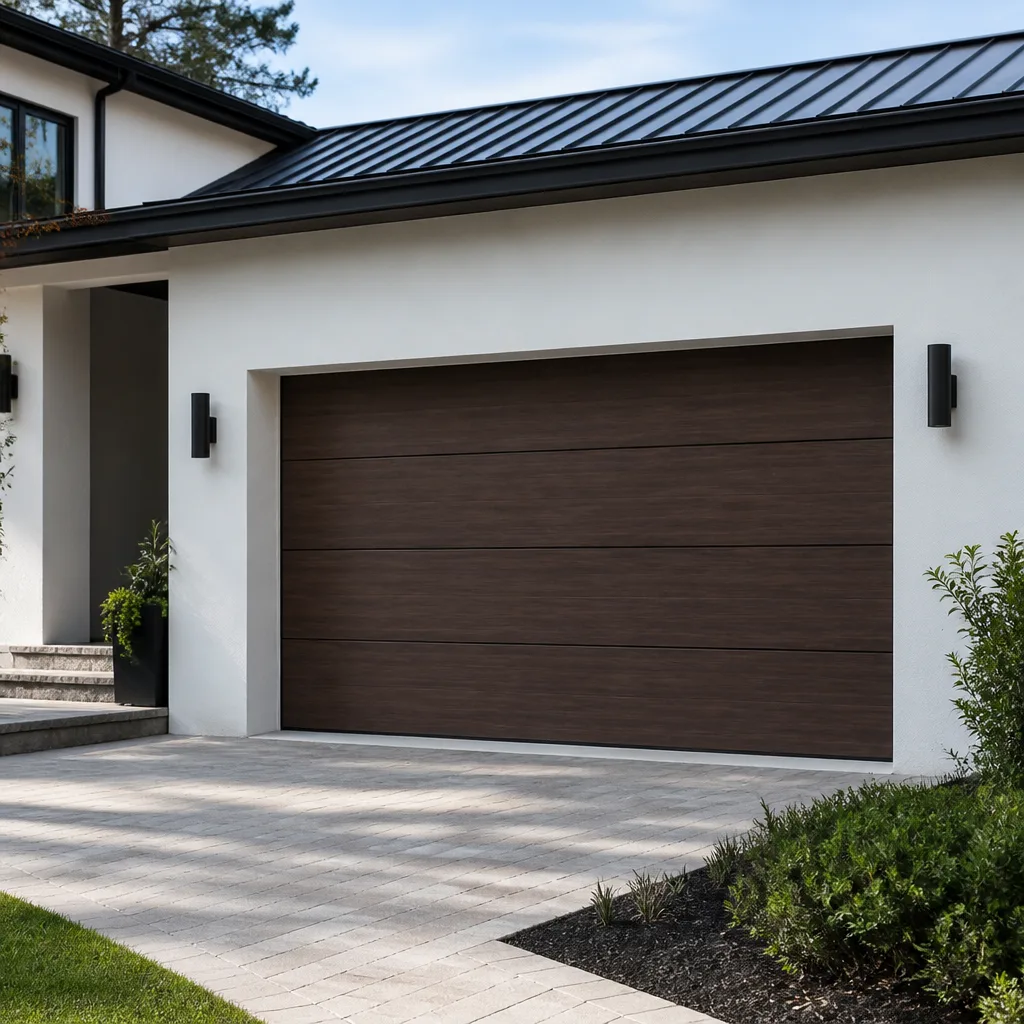 Modern flush
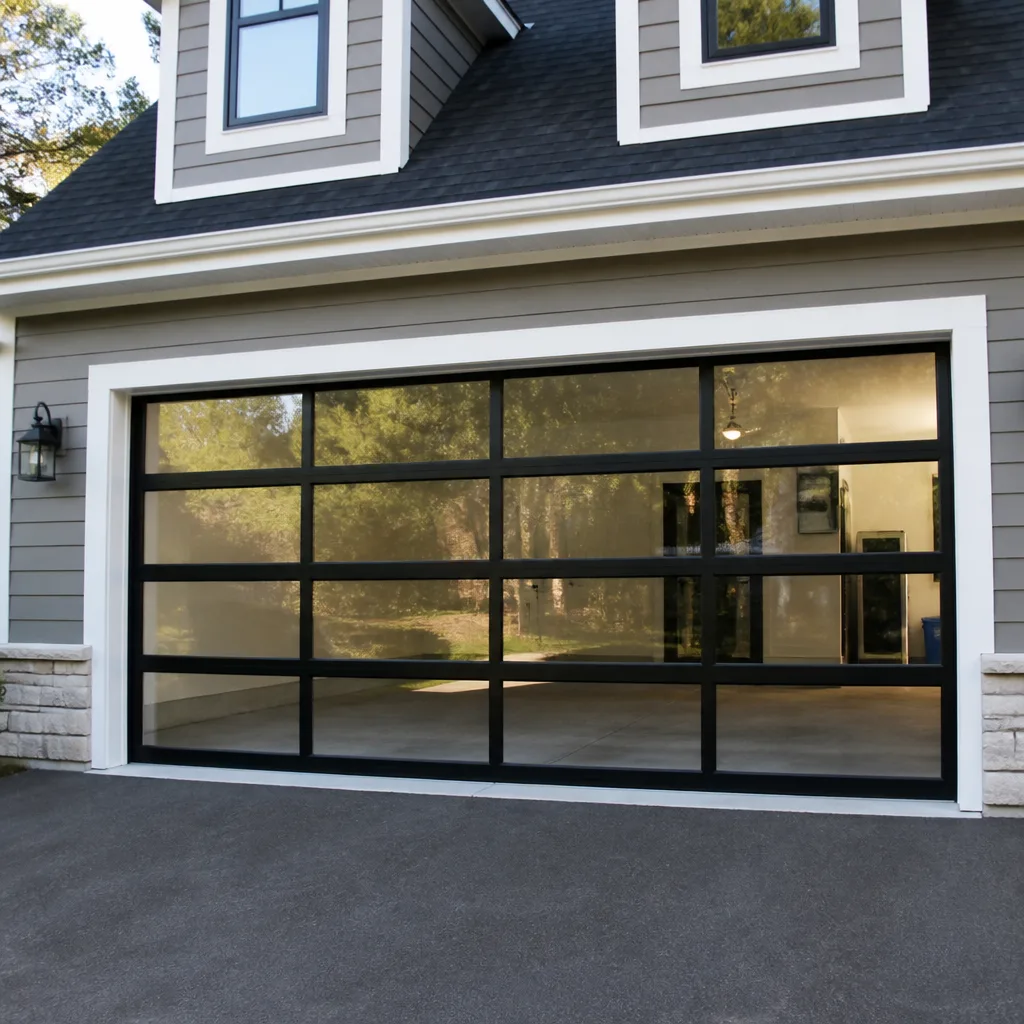 Full-view glass
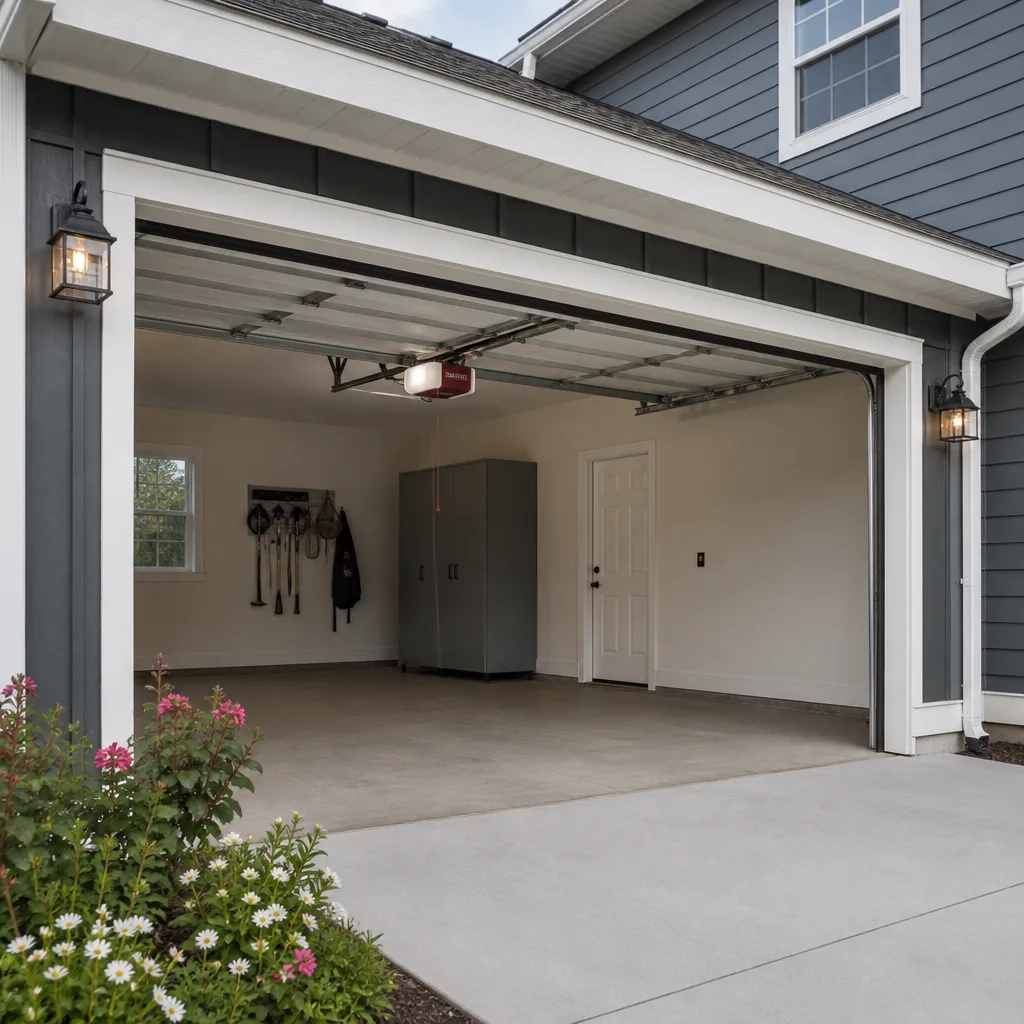 LiftMaster openers
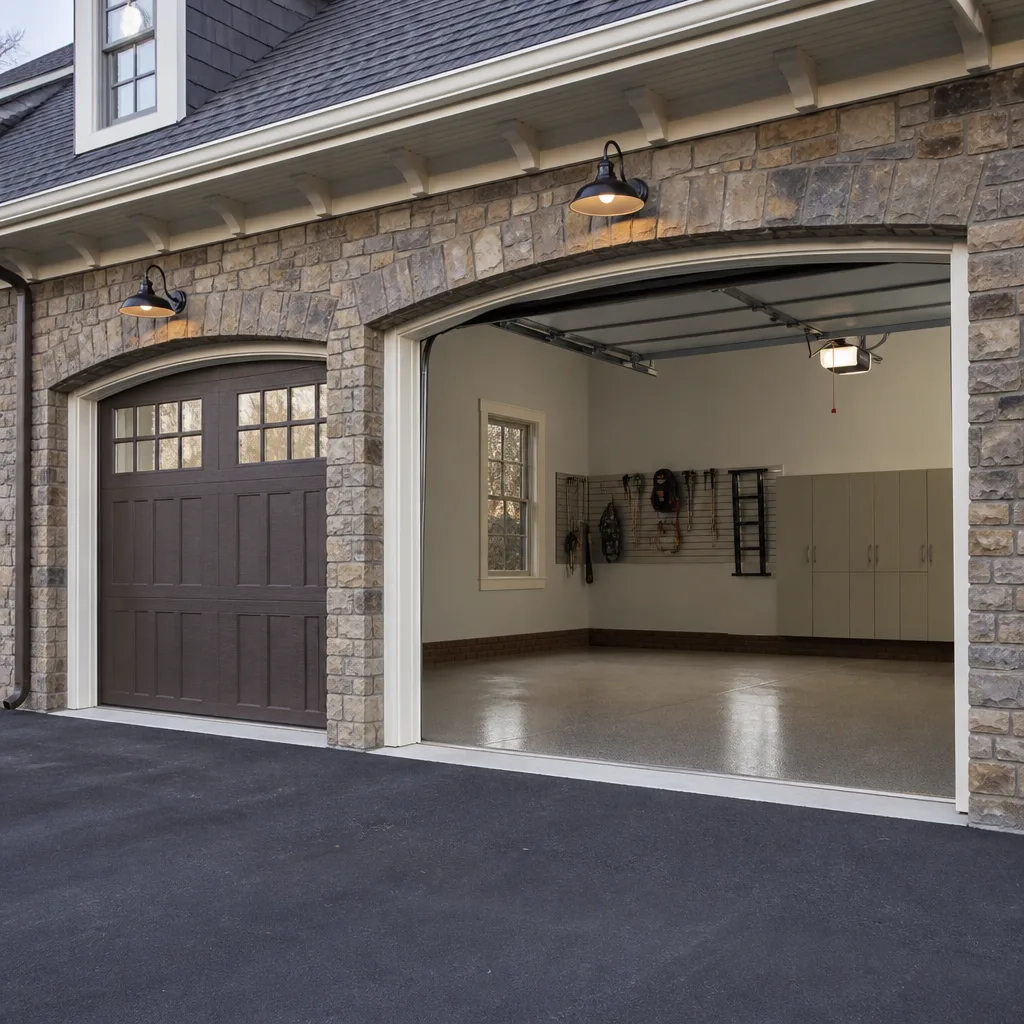 Chamberlain openers
Full 25-point door and opener safety check with every visit - springs, cables, rollers, tracks, and your LiftMaster or Chamberlain opener included
You get a price before we start. It does not change when the truck arrives.
Get your free estimateGarage Door Cost Breakdown: The Orange Homeowner’s Reference for 2026
Walk through any Orange neighborhood near Old Towne or down Chapman Avenue and you’ll see the full spectrum: 1960s ranch homes with original wood doors, 1990s builds with dented steel panels, and recent flips with carriage-house styling. What you won’t see is consistency in what people paid. One neighbor gets a new door installed for $1,100 and another pays $2,800 for what looks like the same thing. The difference isn’t markup. It’s materials, spring ratings, insulation, and labor details that never show up in the single-line quote. This guide breaks down every cost component so you can evaluate a garage door quote in Orange with the same clarity a contractor has.
Quick Answer
In Orange, CA, a complete garage door replacement in 2026 typically runs $1,100 to $3,200 installed, with basic steel doors starting around $700 to $1,200 and premium insulated carriage-style doors reaching $3,500 to $6,000. Opener replacement adds $350 to $800. Repairs like spring replacement run $180 to $340, while track realignment costs $125 to $250. These Orange-area figures reflect local labor rates and parts availability, not national averages.
Styles & brands we work with
- Raised-panel steel
- Carriage house
- Modern flush
- Full-view glass
- LiftMaster openers
- Chamberlain openers
Table of Contents
- What Actually Drives Garage Door Cost in Orange
- Panel Material and Gauge: Where the Real Money Goes
- Insulation in Orange: What Matters and What Doesn’t
- Spring Cycle Ratings: The 7-Year vs. 15-Year Difference
- Opener Motor Classes and What They Cost
- Hidden Costs That Inflate Orange Quotes
- Repair vs. Replace: The Dollar Threshold for 2026
- Cost-Per-Year Framework: Comparing Apples to Apples
- Common Mistakes to Avoid
- When to Call a Professional
- Frequently Asked Questions
What Actually Drives Garage Door Cost in Orange
The single-line quote, “new door installed, $X,” hides four independent cost layers. Each one can swing the final price by hundreds of dollars. In Orange, where housing stock ranges from mid-century bungalows to newer Anaheim Hills-adjacent construction, the variables compound quickly.
First, there’s the door panel itself: material type, steel gauge, insulation level, and finish. Second, the hardware package: springs, rollers, hinges, and track. Third, the opener if you’re replacing that too. Fourth, labor, which in Orange County runs higher than Riverside or San Bernardino because shop rates track the local cost of doing business. A contractor quoting $950 for a door is almost certainly pricing a 26-gauge non-insulated panel with standard 10,000-cycle springs and reusing your existing track. A contractor quoting $1,600 might be pricing a 24-gauge insulated door with 20,000-cycle springs and new hardware throughout. Both quotes are legitimate. They’re just not for the same system.
We diagnose and quote this way for a reason: we identify the problem before we quote the solution. When a homeowner in Orange calls about a door that’s failed, the useful first step is understanding what’s actually in the quote, not just the bottom line.
Orange Market Context
Orange’s housing mix creates specific cost patterns. Homes built before 1980 often have non-standard door openings that require custom sizing or track adaptation. Newer developments east of the 55 freeway tend toward double-wide doors that cost 30 to 50 percent more than single doors purely on panel area. Homes in the Villa Park area frequently have higher-end architectural requirements that push toward premium materials. None of this shows up in an online price chart.
- Single-car door (8×7 or 9×7): $700 to $1,800 installed
- Double-car door (16×7): $1,200 to $3,200 installed
- Custom or oversized doors: $2,000 to $6,000+ installed
- Opener replacement (add-on or standalone): $350 to $800 installed
These ranges assume a standard residential door in functional track. If the track is bent, if the opening is out of square, or if the old door was a custom size, the number moves. More on hidden costs below.
Panel Material and Gauge: Where the Real Money Goes
Garage door panels aren’t all the same steel. The two numbers that matter most are gauge and R-value. Gauge refers to steel thickness; lower gauge means thicker steel. Most residential doors in Orange are 24-gauge or 26-gauge. The difference is about 0.025 inches, which sounds trivial but translates to a door face that dents when a bike handlebars hits it versus one that doesn’t.
Steel Gauge and Panel Quality
- 26-gauge steel, non-insulated: The entry-level standard. Common on rental properties and quick flips. Dents easily. No thermal barrier. Typical Orange installed price: $700 to $1,100 single, $1,100 to $1,800 double.
- 25-gauge steel, single-layer: A slight step up. Marginal improvement in dent resistance. Rarely worth the premium over 26-gauge unless bundled with insulation.
- 24-gauge steel, insulated: The workhorse for Orange homeowners who plan to stay. Better dent resistance, quieter operation, meaningful temperature moderation. Typical installed price: $1,200 to $1,900 single, $1,800 to $3,200 double.
- 24-gauge steel, insulation with polyurethane core: The premium option. Highest R-value per inch, rigid and quiet. Used on higher-end homes in Orange Hills and Villa Park. Typical installed price: $2,000 to $3,500 single, $3,000 to $6,000 double.
Wood and Composite Options
Wood doors still exist in Orange’s older neighborhoods, particularly in the historic district where architectural review boards may require period-appropriate materials. Solid wood doors run $2,500 to $5,000 installed and require ongoing maintenance: sealing, painting, and eventual rot repair. Composite doors, made from wood fibers and resin, deliver the look without the maintenance at $1,800 to $3,500 installed. We work on what you already have, which means we service and replace wood, steel, and composite systems rather than steering every Orange homeowner toward one material.
Insulation in Orange: What Matters and What Doesn’t
Insulation upcharges are one of the most oversold line items in the garage door industry. In Phoenix or Denver, a garage door with an R-18 rating meaningfully reduces cooling or heating load on the attached part of the house. In Orange, the math is different.
Orange’s climate is Mediterranean: mild winters where overnight lows rarely drop below 45 degrees, and summer highs that spike into the 90s inland but moderate quickly in the evening. An uninsulated garage in Orange will run 10 to 15 degrees above outdoor temperature in summer, which matters if the garage is a gym, workshop, or laundry zone. But it won’t meaningfully change your HVAC bill the way it would in the Coachella Valley.
What insulation does buy you in Orange is noise reduction and door rigidity. An insulated door is quieter when opening and closing, which matters if you have a bedroom over the garage, common in the newer two-story builds in East Orange. It also resists dents better because the insulation layer backs the steel skin. For most Orange homeowners, a mid-range insulated door is the smart buy. The premium polyurethane core is justified mainly by noise sensitivity and dent resistance, not energy savings.
R-Value Reference for Orange
- R-0 to R-6 (single-layer steel): Acceptable for detached garages or unheated spaces. Saves $300 to $500 versus insulated.
- R-9 to R-12 (polystyrene-insulated): The sweet spot for attached garages in Orange. Moderate temperature control, noticeable noise reduction.
- R-16 to R-18 (polyurethane-insulated): Premium. Best rigidity and noise control. Buy it for the quiet and the dent resistance, not the energy math.
Spring Cycle Ratings: The 7-Year vs. 15-Year Difference
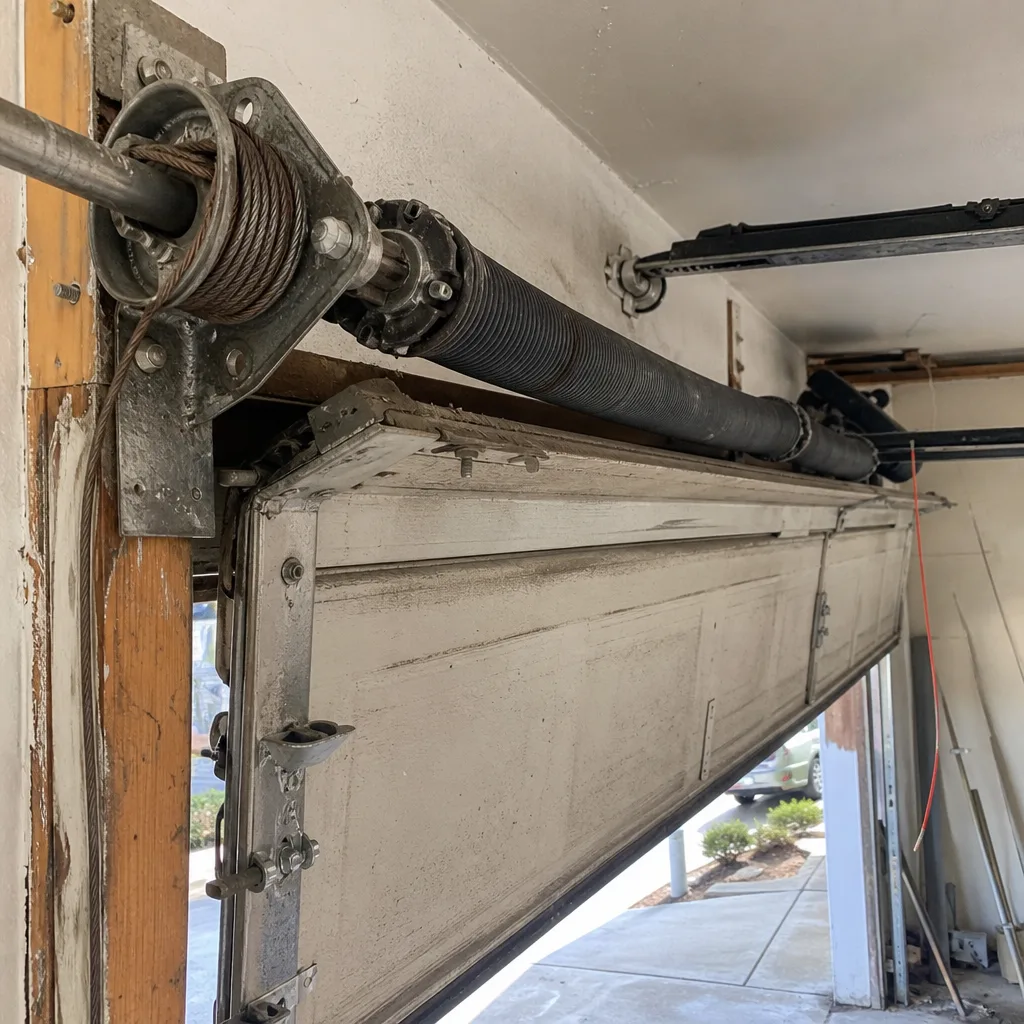
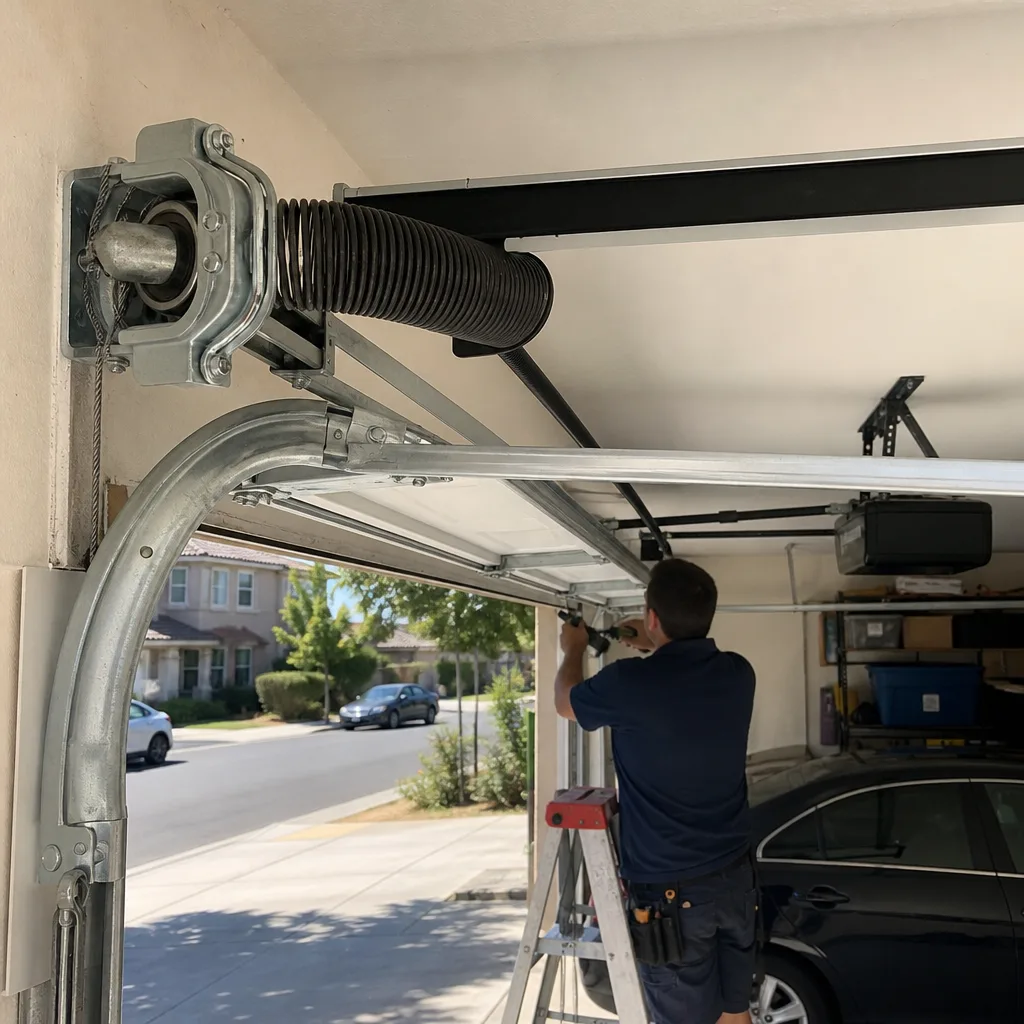
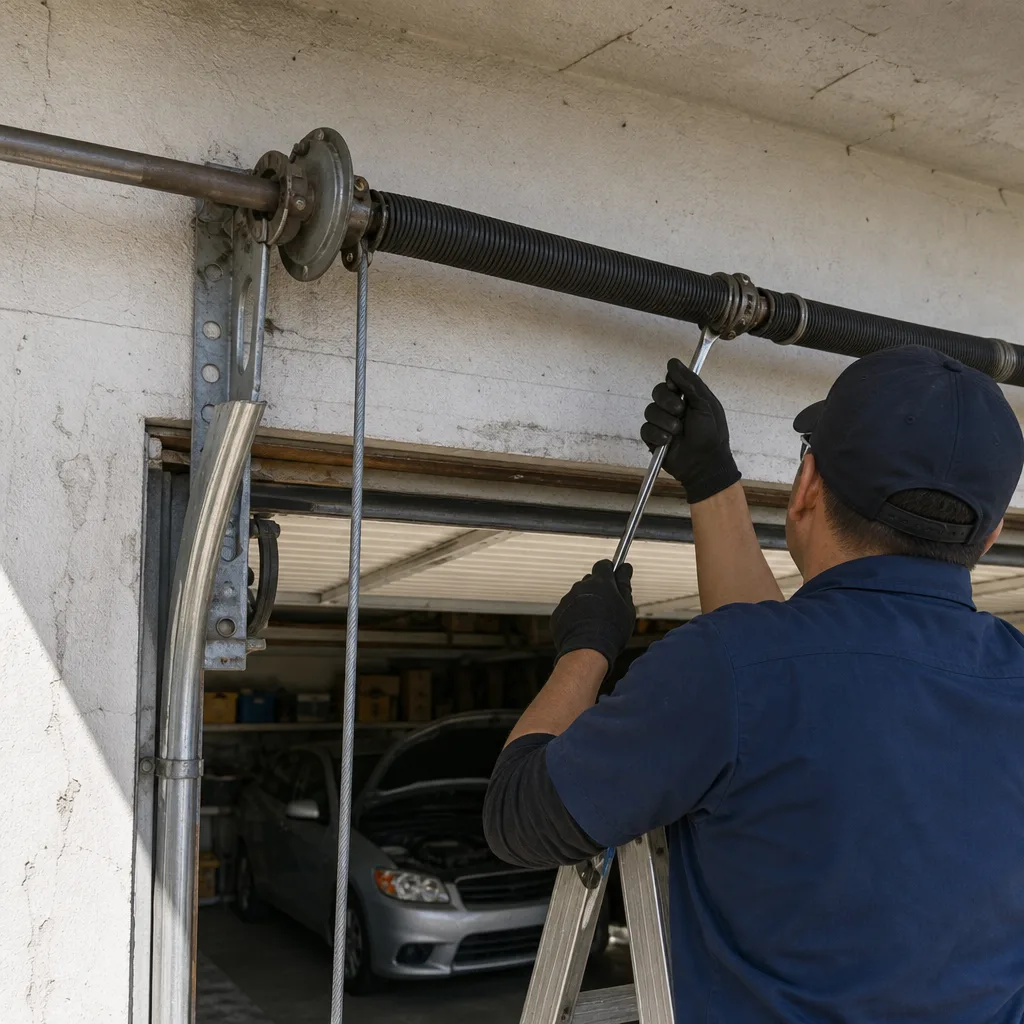
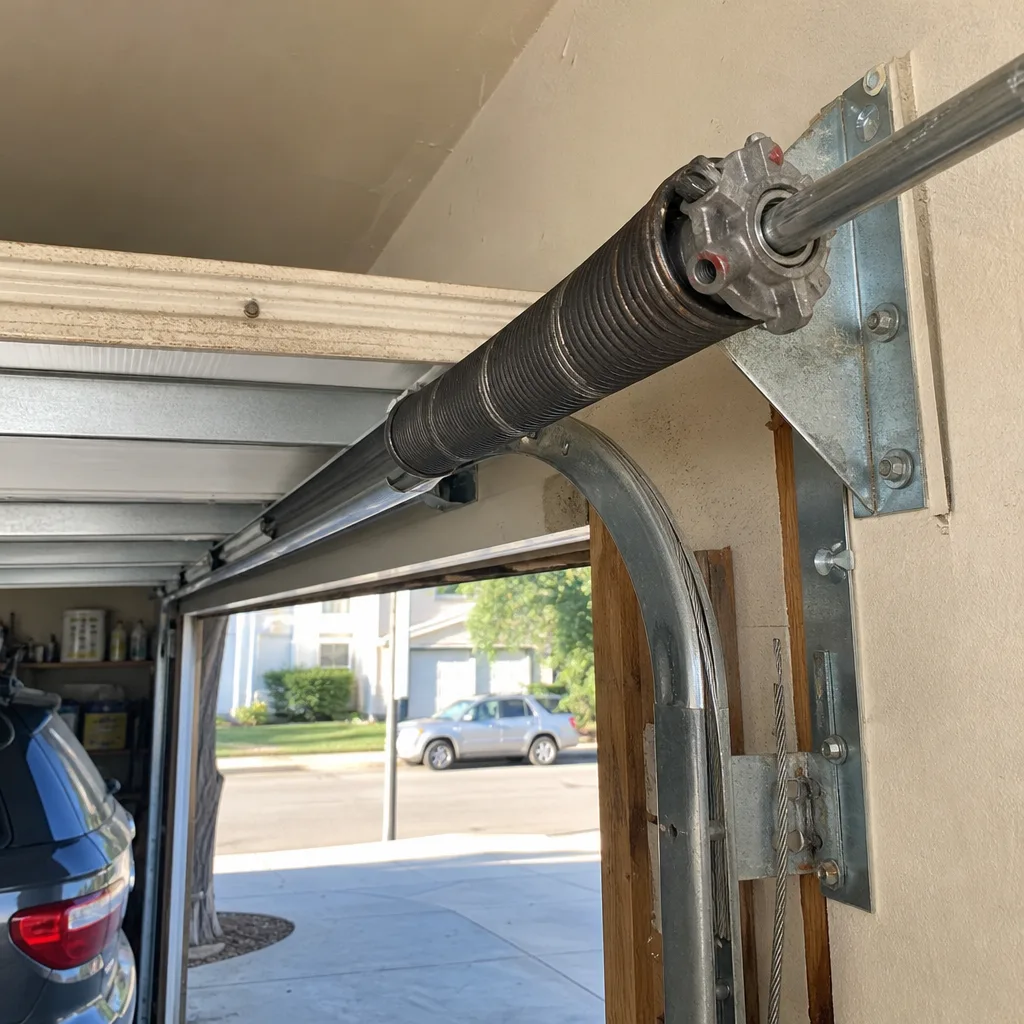
The spring is the most misunderstood component in a garage door system. It bears the door’s entire weight, and it’s rated in cycles, not years. One cycle is one open and one close. A standard torsion spring from the factory is rated at 10,000 cycles. A high-cycle spring is rated at 20,000 to 30,000 cycles. On a door used four times a day, that’s about 7 years versus 15 to 20 years.
Here’s what most Orange homeowners don’t know: the spring is a wear item, and it will fail. The only question is when. Contractors who quote the cheapest door typically install 10,000-cycle springs because they’re $40 to $80 cheaper per pair. The homeowner gets a door that works fine for 6 or 7 years, then pays $250 to $400 for a spring replacement. The homeowner who pays $60 more for high-cycle springs up front avoids that repair for another decade or more.
Spring replacement cost in Orange runs $180 to $340 for a standard single-door torsion spring replacement, including the part and labor. That’s a predictable cost you can defer or avoid entirely with the right initial spec.
Spring Selection Checklist
- Ask for the spring cycle rating in writing. If the quote doesn’t specify, assume 10,000 cycles.
- Count daily cycles honestly. A four-person household with a commute might cycle the door 6 to 8 times a day. That’s 2,500 cycles a year, not 1,500.
- Compare spring upgrade cost to future replacement cost. If high-cycle springs add $60 to the quote and a future spring replacement costs $250+, the upgrade pays for itself in the first replacement avoided.
- Check if the quote includes both springs on a double door. Some low quotes include only one spring, which shifts load to the other and shortens both lives.
We’ve replaced springs throughout Orange, from Santiago Hills to the neighborhoods near the Plaza, and the failure pattern is consistent: doors that get cycled hard with entry-level springs fail within 5 to 8 years, every time. This is a component where the cheap option today reliably becomes a service call later.
Opener Motor Classes and What They Cost
Garage door openers in 2026 break into three functional classes: AC chain-drive, DC belt-drive, and wall-mount (jackshaft) units. Each has a distinct price band and a distinct set of trade-offs that matter more in some Orange homes than others.
AC Chain-Drive Openers
The classic. Loud, reliable, and inexpensive. A chain-drive LiftMaster or Chamberlain unit installed in Orange runs $350 to $500 complete. These are fine for detached garages or homes where the garage is separated from living space by a hallway and a door. If the garage is directly under a bedroom, the metal-on-metal chain noise through the ceiling is genuinely disruptive. We’ve had Orange homeowners call us to replace a functioning chain-drive opener purely because of the noise it transmits at 6 a.m.
DC Belt-Drive Openers
The current default for most Orange homes. A belt-drive unit from LiftMaster, Chamberlain, or Genie runs $450 to $700 installed. The belt is rubber-reinforced and significantly quieter. DC motors also start and stop more smoothly than AC units, which reduces wear on the door itself. If your garage is attached and you have living space adjacent, this is the class we’d spec for almost every Orange home.
Wall-Mount (Jackshaft) Openers
Wall-mount units bolt to the wall beside the door rather than hanging from the ceiling. They free up overhead space and run nearly silent. A Raynor or LiftMaster wall-mount unit installed in Orange runs $600 to $900. These make sense in garages with low ceilings, ceiling-mounted storage, or a car lift. They also work well on the high-lift track setups common in newer Orange homes with taller garage ceilings. The trade-off is that they require a power outlet near the door header, which some older Orange homes lack.
The opener and the door are one system, not two. That’s why one call covers the door and the opener: when a spring fails, it often takes the opener’s force logic with it, and when an opener fails, it sometimes masks a door that’s out of balance. We diagnose them together, which saves Orange homeowners the second service call a single-trade shop would generate.
Hidden Costs That Inflate Orange Quotes
The honest contractor and the aggressive one often quote the same door for different prices. The difference lives in what’s excluded from the cheap quote and added back later. Here are the most common hidden costs in Orange garage door work.
Haul-Away and Disposal
Removing an old door and disposing of it costs $50 to $150 in labor and dump fees. Orange County disposal rates are higher than the Inland Empire, and some contractors build that into the quote. Others quote door-only and add haul-away as a line item at signing. Always ask whether the quoted price includes removal of the old door, old springs, and old opener.
Track Replacement
The door panels and the track are separate parts. If the existing track is bent, rusted, or was installed for a different door profile, it has to be replaced. Track replacement in Orange adds $150 to $350 per door. A quote that assumes track reuse will inflate the moment the installer sees the existing hardware. We’ve worked on enough Orange homes to know that track condition varies widely: some 40-year-old track is perfectly serviceable, and some 15-year-old track is unusable because a previous repair bent it.
Keypad and Remote Programming
A new opener should include one or two remotes and programming. Some installers itemize each remote at $35 to $60 and the keypad at $70 to $120. If the quote seems too low, check what’s included. The keypad is a genuine convenience feature for Orange families, especially multi-driver households, and it should be part of the base package, not an upsell.
Permits
Most garage door replacements in Orange do not require a permit. However, if the work involves structural changes, header modifications, or a door that’s part of a fire-rated wall in an attached garage, the city may require one. For a deeper look at when permits apply, see our Garage Door Permits, Codes & Inspections in CA: What You Need to Know. Permits in Orange run $100 to $300 when they apply. A contractor who quotes a permit should be able to tell you exactly what triggered it.
Wiring and Sensor Updates
Older Orange homes sometimes have garage door opener wiring that predates current code. Modern openers require photo-eye safety sensors at floor level and, in some cases, a dedicated GFCI outlet. If the existing wiring doesn’t support this, expect $100 to $250 in electrical work. This is less about the garage door and more about the age of the house. Homes in central Orange built before 1990 are more likely to need this than newer construction.
Repair vs. Replace: The Dollar Threshold for 2026
When a door fails, the decision is whether to repair or replace. Our rule of thumb, developed across thousands of Orange service calls, is a simple ratio: if the repair cost exceeds 50 percent of the value of a new door, and the existing door is more than 10 years old, replacement is usually the smarter money. For help deciding before an emergency strikes, read our Garage Door Emergency Preparedness Guide for Orange Homes.
Consider a 14-year-old 16×7 steel door that needs a new spring, new rollers, and a new bottom seal. That’s $400 to $600 in repairs, done in one visit. A new door of equivalent quality is $1,400 to $1,900 installed. The repair is 30 to 40 percent of replacement cost, and the door’s remaining lifespan after repair is maybe 3 to 5 years. The math leans toward replacement if the homeowner has the budget. But if the repair is just a spring at $250, repair wins: that’s 15 percent of replacement cost and extends the door’s life by years.
Repair vs. Replace Decision Steps
- Get the specific diagnosis, not a general “it’s old.” Which components failed? What’s still functional?
- Ask for the repair total and the replacement total in the same visit. A contractor who can quote both honestly is giving you a real decision.
- Apply the 50 percent threshold. Repair cost divided by replacement cost. Under 30 percent: repair. Over 50 percent: replace. Between 30 and 50 percent: consider door age and budget.
- Factor in what’s not broken. If the door is dented, noisy, or poorly insulated, replacement resolves issues a repair won’t touch. If the door is otherwise in good shape, repair preserves it.
We’ve talked Orange homeowners out of replacements and into $250 spring repairs many times. We’ve also recommended replacement on doors that were technically repairable but would have needed another repair within 24 months. The right answer isn’t a formula. It’s an honest diagnosis from someone who can do both. That’s the full Garage Door Repair in Orange scope at work.
Cost-Per-Year Framework: Comparing Apples to Apples
A $900 door isn’t automatically a better deal than a $1,600 door. The useful comparison is cost per year of service. Here’s how the math plays out for typical Orange installations.
Basic Steel Door: $950 Installed
- 26-gauge steel, non-insulated, 10,000-cycle springs
- Expected service life: 8 to 12 years with one spring replacement at year 7
- Total 12-year cost: $950 + $300 spring replacement = $1,250
- Cost per year: about $104
Mid-Grade Insulated Door: $1,600 Installed
- 24-gauge steel, polystyrene-insulated, 20,000-cycle springs
- Expected service life: 15 to 20 years with no major component replacement
- Total 18-year cost: $1,600
- Cost per year: about $89
Premium Insulated Door: $2,800 Installed
- 24-gauge steel, polyurethane-insulated, 30,000-cycle springs, decorative hardware
- Expected service life: 20+ years
- Total 20-year cost: $2,800
- Cost per year: about $140
The mid-grade door is the value sweet spot for most Orange homes. It costs less per year than the entry-level door because it avoids the early spring replacement and lasts nearly twice as long. The premium door costs more per year, but buys aesthetics, quiet, and curb appeal that carry their own return at resale. A 16-foot door with curb presence on an Orange Craftsman bungalow or a Spanish Revival in the historic district changes how the whole facade reads.
Common Mistakes to Avoid
- Comparing quotes by bottom line only. A $900 quote and a $1,500 quote are usually for different products. Compare gauge, insulation, spring rating, and included hardware before price.
- Accepting the cheapest spring. A 10,000-cycle spring saves $60 today and costs $250 later. On a door you plan to keep, high-cycle springs are the cheaper long-term play.
- Ignoring the track. New panels on old or bent track will underperform and wear unevenly. If the track isn’t right, the door won’t be right.
- Overspending on insulation for energy savings in Orange. Orange’s climate doesn’t justify a premium insulated door on energy math alone. Buy insulation for noise and rigidity, not HVAC savings.
- Not asking what’s included in an opener quote. Remotes, keypad, sensor alignment, and programming should be in the base price. If they’re itemized as extras, the low quote isn’t low.
- Fixing a door that’s already past its useful life. A 15-year-old door with multiple failing components, dents, and a rusting track is a money pit. Repairing it repeatedly is more expensive than replacing it once.
- Failing to confirm haul-away. Disposal fees in Orange County catch homeowners off guard when they show up as a post-installation line item. Confirm it before signing.
When to Call a Professional
Garage door springs are under tension that can cause serious injury if mishandled. Never attempt spring replacement or cable repair yourself. Call a professional if your door won’t open or close, if it opens unevenly, if you hear grinding or popping from the spring assembly, if the door reverses unexpectedly, or if the opener runs but the door doesn’t move. These are symptoms of mechanical failure that won’t self-resolve and often get worse with each cycle. Citadel Garage Door Repair offers free estimates in Orange. Call (844) 320-8271 and we’ll diagnose the system before we quote anything.
Frequently Asked Questions
A complete garage door replacement in Orange, CA in 2026 typically costs $1,100 to $3,200 installed for a standard double door, with basic non-insulated steel doors starting around $700 and premium insulated options reaching $6,000 or more. The price varies by panel material, steel gauge, insulation level, spring cycle rating, and whether the existing track can be reused. For an exact quote on your specific door, call (844) 320-8271.
Garage door spring replacement in Orange runs $180 to $340 for a standard torsion spring on a single door, including the part and labor. High-cycle spring upgrades add $40 to $80 per spring and extend spring life from about 7 years to 15 or more. The price is quoted and agreed before any work starts, so there are no surprises at the end of the service call.
In Orange’s coastal Mediterranean climate, insulation matters less for energy savings than it does in Phoenix or Denver. What it does buy you is noise reduction, dent resistance, and a more rigid door. If your garage is attached to living space or has a bedroom above it, an insulated door is worth the $300 to $500 premium. If the garage is detached and unheated, skip the insulation.
A garage door in Orange should last 15 to 25 years for the panels, with springs lasting 7 to 20 years depending on cycle rating. The panels on a 24-gauge insulated door will typically outlast two sets of 10,000-cycle springs. A door near the coast may show surface oxidation sooner than one inland, but Orange’s mild climate is generally kind to garage door materials compared to the sun and freeze cycles elsewhere.
Most garage door problems are repairable: springs, rollers, cables, sensors, and openers are all replaceable components. The door panels themselves are the main replacement trigger, along with track damage and cumulative wear on 15+ year-old doors. If repair costs exceed half the value of a new door and the door is more than 10 years old, replacement is usually the smarter long-term decision. We’ll give you both numbers in the same visit so you can choose based on real economics. For more guides & resources on garage door care, explore our blog.
Yes. We’re factory-familiar with LiftMaster, Chamberlain, Genie, Clopay, Amarr, Wayne Dalton, Craftsman, and Raynor systems, which covers the majority of garage doors installed in Orange homes. We work on what you already have, and our brand-independent diagnostics mean the recommendation is based on your door’s condition and your budget, not on which manufacturer we’re incentivized to sell. If you’re unsure what brand you have, send us a photo or call for opener repair guidance and we’ll identify it.
The Bottom Line
Garage door pricing in Orange rewards the homeowner who asks two questions: what am I actually getting, and what does it cost per year? The $900 entry-level door and the $1,600 mid-grade door are both honest prices for different products, and the mid-grade door usually wins the long-term math. Spring cycle ratings, steel gauge, and what’s included in an opener quote are the variables that determine whether you’ll be satisfied for 7 years or 15. Your garage door is your home’s largest moving security barrier. Pricing it correctly starts with understanding the components. Citadel Garage Door Repair handles the full lifecycle, from same-day repair to complete installation in Orange, one call covers the door and the opener.
Written by the team at Citadel Garage Door Repair, serving Orange since 2018.
See the difference
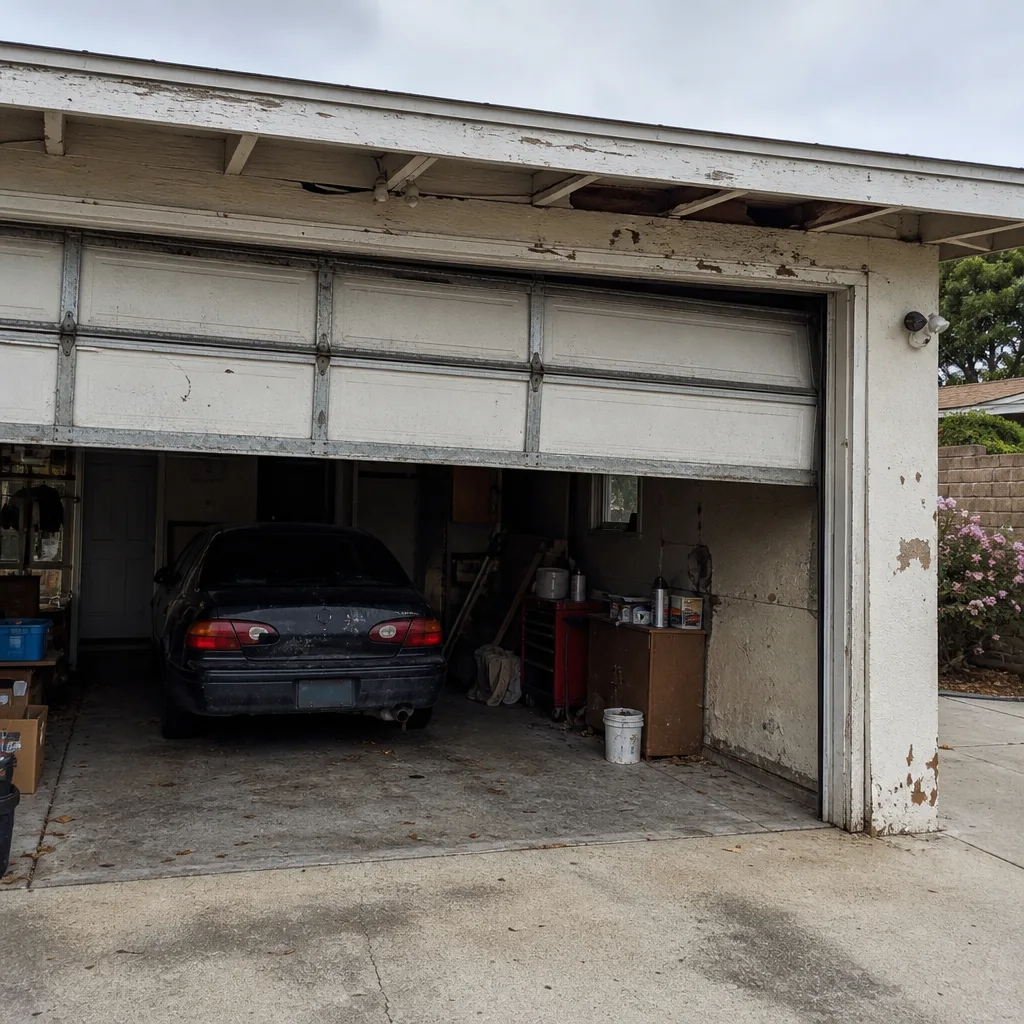 Before
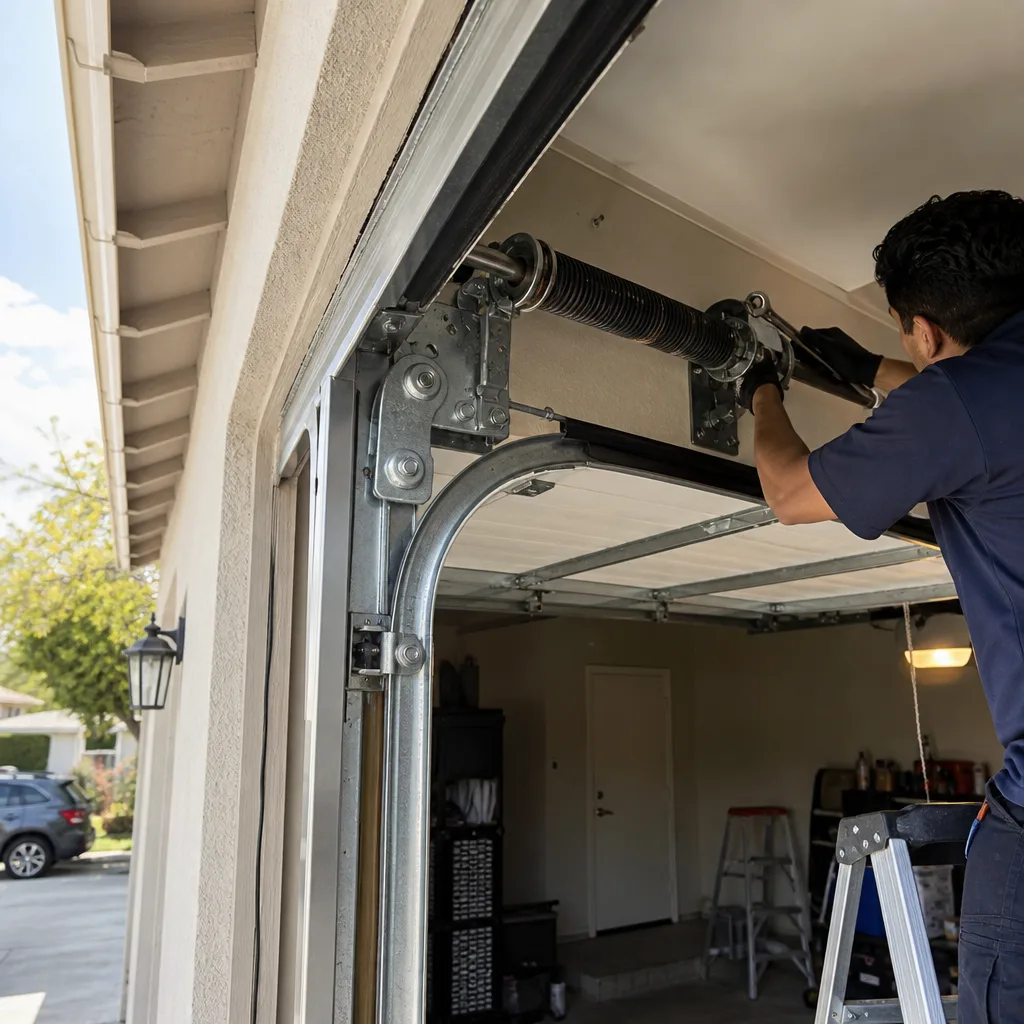 After
 Before
 After
 Before
 After