Last updated November 3, 2026
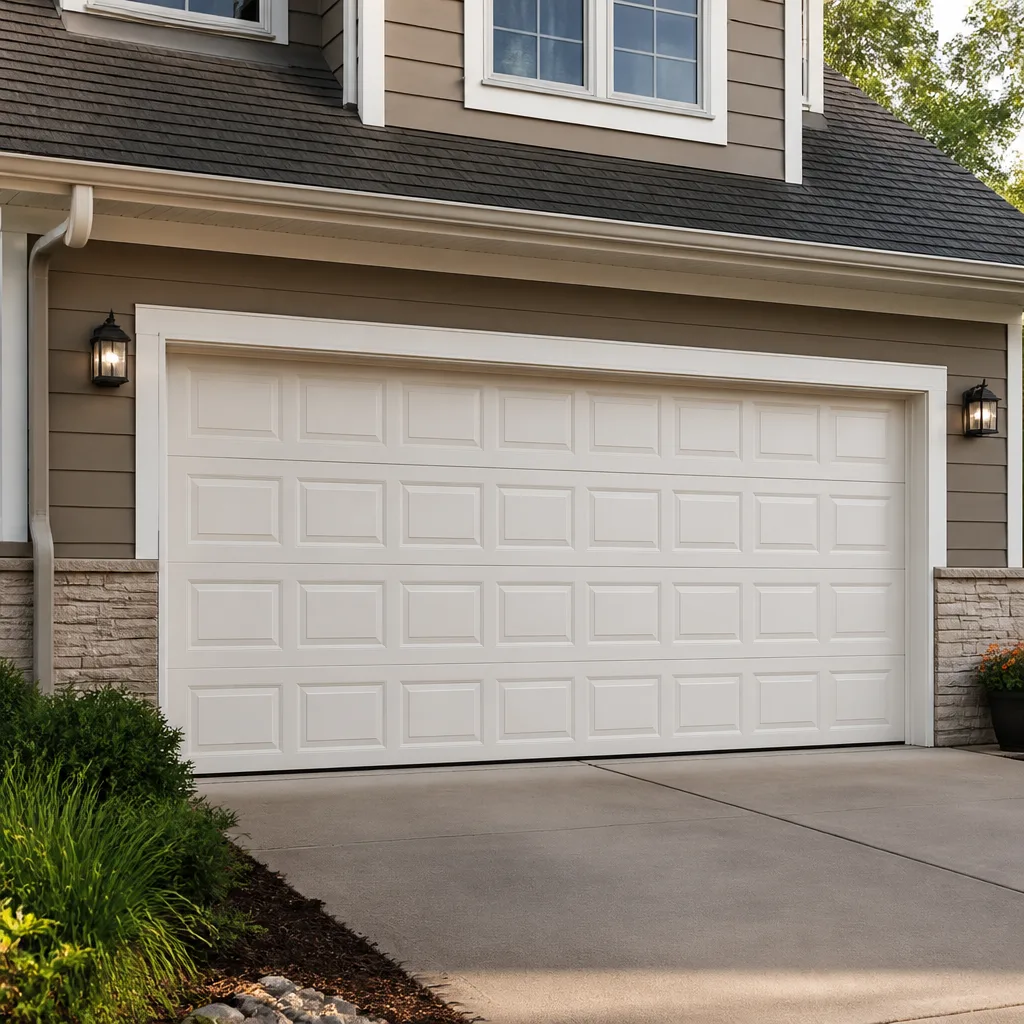 Raised-panel steel
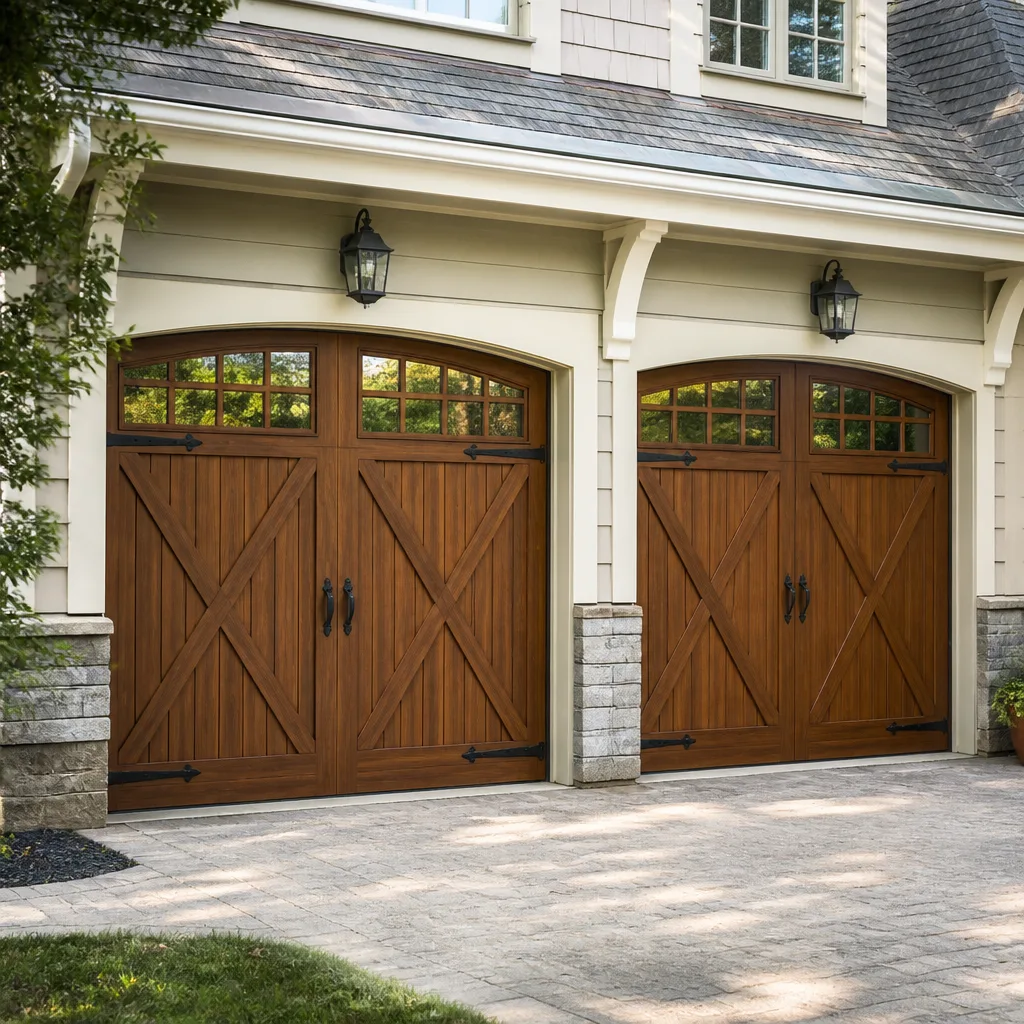 Carriage house
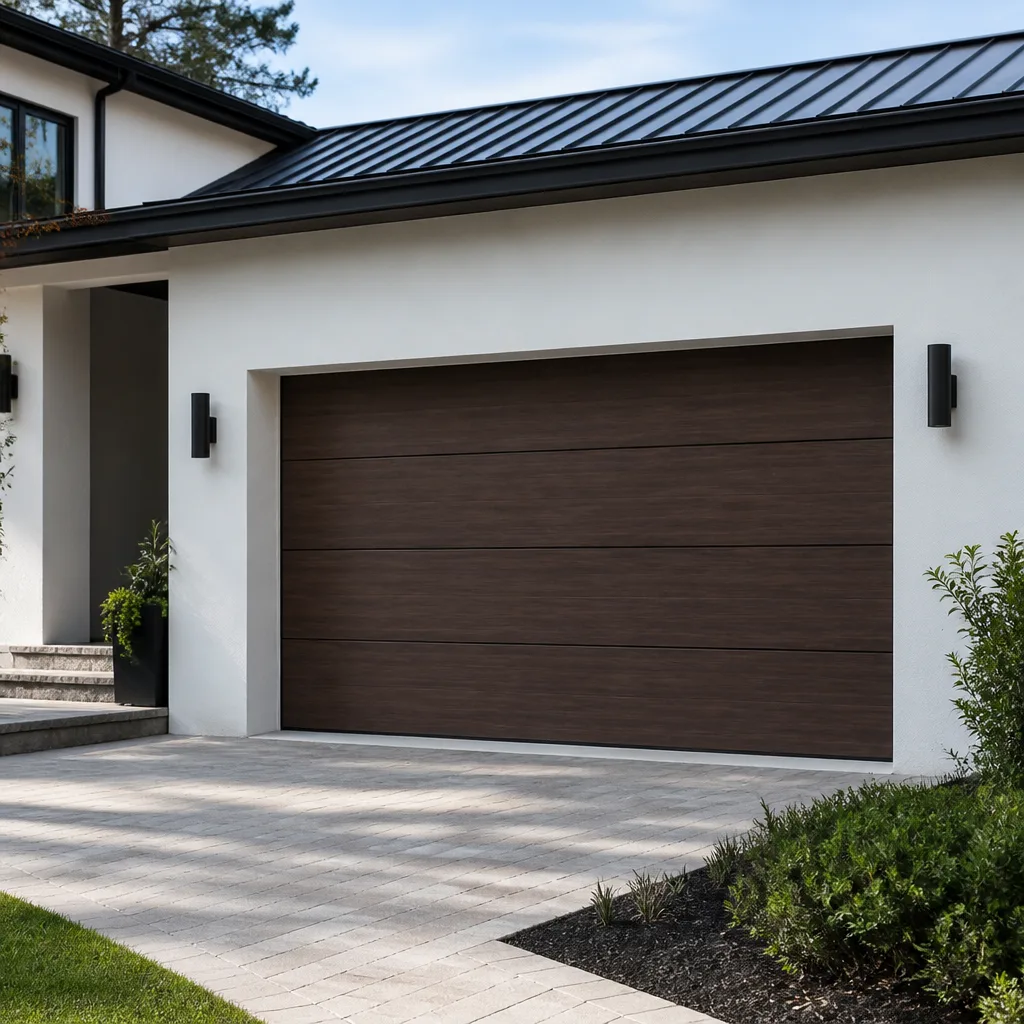 Modern flush
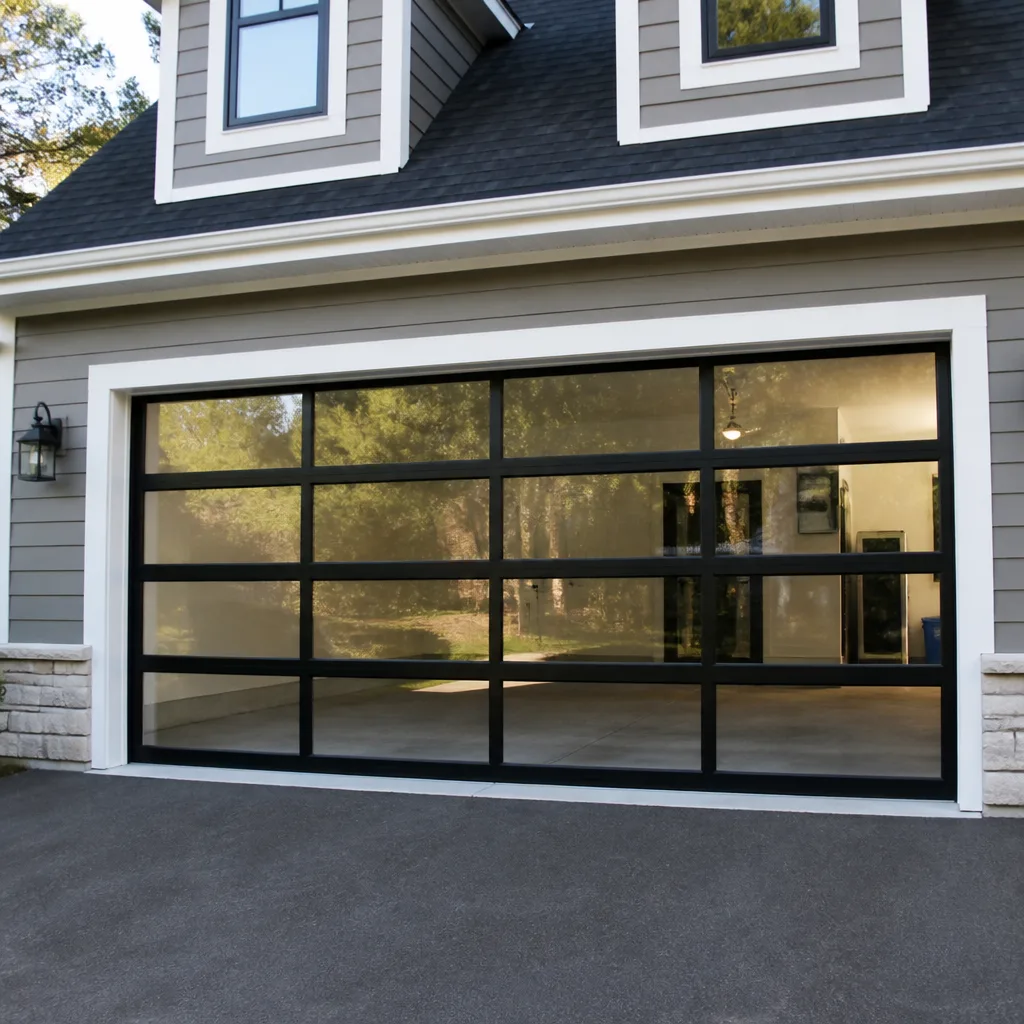 Full-view glass
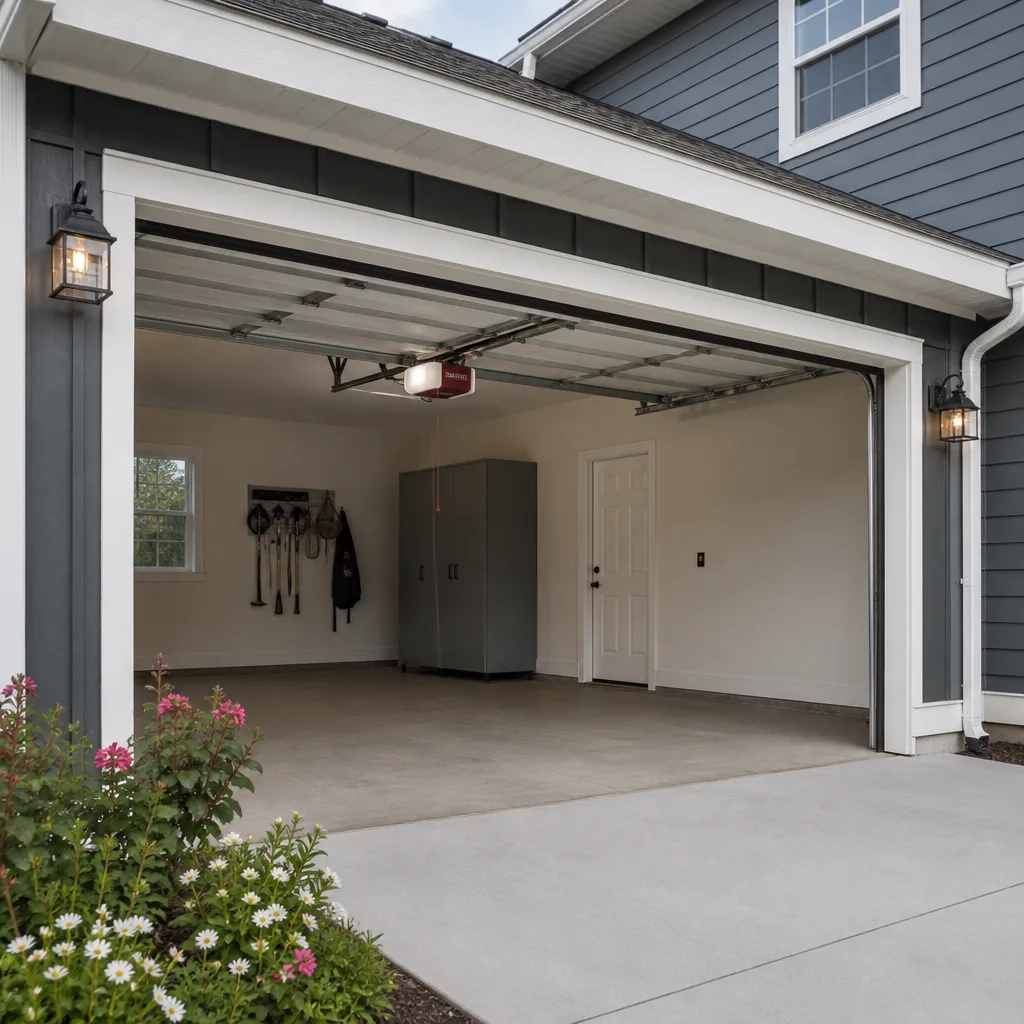 LiftMaster openers
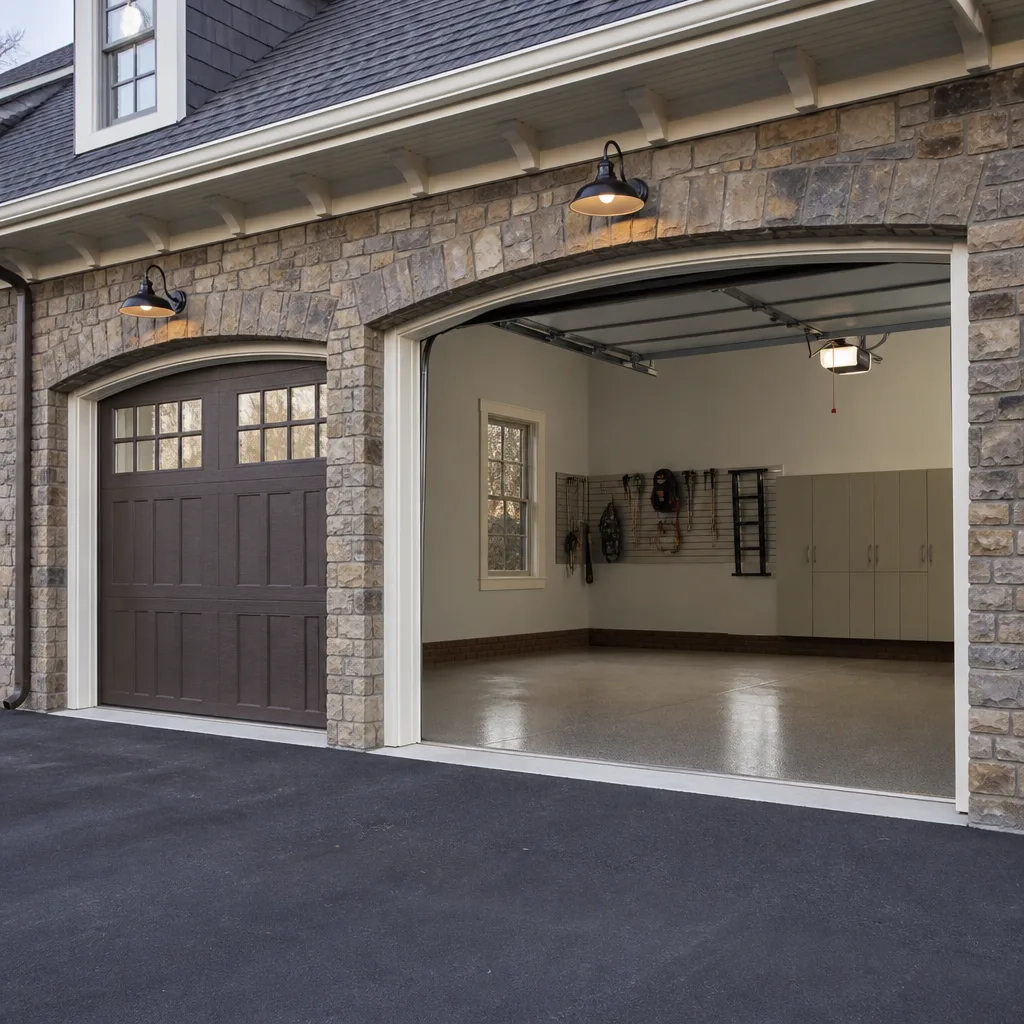 Chamberlain openers
Full 25-point door and opener safety check with every visit - springs, cables, rollers, tracks, and your LiftMaster or Chamberlain opener included
You get a price before we start. It does not change when the truck arrives.
Get your free estimateChoosing the Right Garage Door Brand: A Buyer’s Guide for Orange
Here’s something most brand guides won’t tell you: the “best” garage door brand in a national ranking is often the wrong door for your specific house in Orange. We’ve replaced doors that scored top marks in magazine roundups but failed within six years because their hardware wasn’t suited to Southern California’s UV load and coastal air. A steel gauge rating means nothing if the paint system breaks down under 300 days of annual sun. Our Complete Guide to Garage Door in Orange works backward from what actually matters here: material behavior in our climate, parts availability when something breaks, price-to-cycle value, and how a door looks against the architectural mix we actually live with. By the end, you’ll know which brands earn their price, which ones coast on reputation, and how to make a decision you won’t regret in year seven.
Styles & brands we work with
- Raised-panel steel
- Carriage house
- Modern flush
- Full-view glass
- LiftMaster openers
- Chamberlain openers
Quick Answer
The right garage door brand for your Orange home depends more on your street’s sun exposure, your HOA’s architectural rules, and your long-term service expectations than on any national best-of list. For most Orange homes, a mid-tier steel door from Clopay or Amarr with a good paint warranty and locally stocked hardware outperforms a premium brand with proprietary parts and thin dealer support. Openers are a separate decision entirely, and in Orange we see LiftMaster and Chamberlain dominate simply because their parts are everywhere and every technician knows them cold.
Table of Contents
- The Four Variables That Actually Matter in Orange
- Door Brands: A Candid Assessment
- Opener Brands: A Separate Decision
- What “Authorized Dealer” Really Means
- Mid-Tier vs. Premium: Where the Gap Is Real
- What Orange’s Climate Does to Garage Doors
- Common Mistakes to Avoid
- When to Call a Professional
- Frequently Asked Questions
- The Bottom Line
The Four Variables That Actually Matter in Orange
Before comparing brand names, you need a framework. We’ve found that four variables explain most brand disappointments in Orange, and none of them appear on manufacturer websites.
1. Material Longevity in High-UV Conditions
Orange averages 278 sunny days per year. That’s not a marketing statistic; it’s a materials test. Garage doors face direct sun on south-facing and west-facing exposures, and the paint system takes the beating. Steel doors with polyester topcoats start showing chalk and fade in four to five years here. Doors with polyurethane or PVDF-based finishes hold color noticeably longer. Wood doors need resealing every two to three years in this climate regardless of brand, and wood-composite doors split the difference. When you’re comparing brands, ask about the finish chemistry, not just the warranty length. A 10-year paint warranty means little if the fine print caps UV damage at 40% of replacement cost.
2. Parts Availability for Long-Term Serviceability
Every brand sells doors. Not every brand keeps hardware in stock locally when something breaks in year eight. In Orange, brands with strong West Coast distribution networks mean a broken spring, hinge, or roller gets replaced in days, not weeks. This matters because a garage door is a mechanical system, not a static fixture. Some imported and boutique brands use proprietary hardware that requires dealer-only ordering. We’ve seen Orange homeowners wait three weeks for a hinge because the brand’s only stateside warehouse was in Ohio. Clopay, Amarr, and Wayne Dalton maintain solid western distribution. Smaller brands often don’t. When you choose a door, you’re choosing its parts ecosystem too.
3. Price-to-Cycle-Count Value
A garage door’s true cost is its installed price divided by the cycles it completes before needing major work. A cycle is one full open-and-close. Most doors are rated between 10,000 and 25,000 cycles on stock hardware, but upgraded rollers and springs can push that higher. The better value question: does a $4,500 premium door actually deliver proportionally more cycles than a $2,800 mid-tier door with upgraded hardware? Often the answer is no. In Orange, where most homeowners use their garage as the primary entry point multiple times daily, cycle count matters more than it does in neighborhoods where garages are storage. For average residential use of three to five cycles daily, a 15,000-cycle door lasts well over a decade. Premium cycle ratings beyond that matter mostly for homes with commuters, teenagers, or home businesses generating eight-plus cycles daily.
4. Aesthetic Fit for Orange’s Architectural Mix
Orange isn’t one housing style. The brand you’re considering needs to look right against your specific home. Craftsman bungalows in the Old Towne area call for recessed panels and warm wood tones. Spanish Colonial Revival homes across the city want stucco-complementing colors and simple lines. Mid-century ranchers in the flats suit flush panels and clean geometry. Tract homes built in the 1980s and 1990s often do best with traditional raised panels that match the neighborhood rhythm. A brand that excels at contemporary flush doors does nothing for a 1920s bungalow, and vice versa. Before you pick a brand, know which door style your home’s architecture and HOA expect. Some Orange HOAs have explicit style requirements; others are silent but consistent.
Door Brands: A Candid Assessment
Here’s where most guides & resources turn into brochures. We’re going to assess the major door brands against the four variables above, without pulling punches. This is based on what we see in Orange garages and what holds up over time, not what the marketing departments say.
Clopay
Clopay is the volume leader in the U.S., and in Orange that translates to something practical: their doors are everywhere, their parts are never hard to find, and nearly every technician has worked on hundreds of them. Their steel door lineup, particularly the Gallery and Premium series, offers solid gauge options and paint systems that perform respectably in our sun. What you give up is uniqueness; Clopay doors are so common that finding a distinctive look requires moving up to their higher trim levels. For the average Orange tract home, Clopay is a safe, serviceable choice that won’t keep you waiting on parts.
Wayne Dalton
Wayne Dalton takes a different engineering approach, and in Orange it cuts both ways. Their TorqueMaster spring system is safer to be around when it fails, which matters for homeowners who store things near the door. But that same system uses proprietary components that fewer independent shops stock. If the spring needs replacement in year nine, you may be tied to Wayne Dalton parts and the dealer network that carries them. Their door panels themselves are generally well-built, with good insulation options. In Orange, where heat gain through the garage is a real consideration for attached garages, their insulated models perform well. Just understand the parts tradeoff before you commit.
Amarr
Amarr builds on a steel-centric philosophy, and for Orange’s environment, that’s mostly good news. Their Classica and Lincoln lines offer clean aesthetics that fit the Spanish and Craftsman styles prevalent across Orange. Their paint systems are competitive, and their distribution network keeps replacement hardware accessible. Where Amarr wins in our market is price-to-quality: you’re not paying a premium for the name, and the product holds up proportionally well. They’re not the most innovative brand, but they’re consistent, and consistency over a 15-year ownership window matters more than showroom appeal.
CHI
CHI is the sleeper in this group. They’re smaller than Clopay or Amarr, but their doors are built with a level of hardware quality that exceeds the price point. Their polyurethane insulation is genuinely better than what you get in comparably priced competitors, and their finish quality holds up well in Orange’s UV conditions. The catch is distribution. CHI parts are available, but not as deep in local stock as the bigger brands. If you’re willing to accept slightly longer parts lead times for a better-built door at a mid-tier price, CHI deserves a serious look. We’ve seen fewer CHI doors fail early than any other brand in this price range.
Opener Brands: A Separate Decision
Here’s the decision most buyers don’t realize they should make separately: your door brand and your opener brand are independent choices. They don’t need to match. A Clopay door works perfectly with a LiftMaster opener. An Amarr door pairs fine with a Genie. The compatibility considerations are mechanical and functional, not brand-loyalty-based.
What Actually Determines Opener Compatibility
- Door weight and balance: The opener must be sized for the door’s weight. A heavy, insulated steel door needs an opener with enough lifting capacity. This is spec-based, not brand-based.
- Drive type: Belt-drive openers are the right call for attached garages in Orange because they’re quiet enough for bedrooms over the garage. Chain-drive openers are louder but cheaper. Screw-drive openers work but struggle in our heat without regular lubrication.
- Mounting configuration: Standard center-mount openers work for most doors. High-lift or vertical-lift track setups, common in Orange homes with high ceilings or storage needs, require side-mount or jackshaft openers. This mechanical constraint overrides brand preference.
- Smart home integration: If you want MyQ compatibility, you’re looking at LiftMaster or Chamberlain. If you want broad third-party smart home support, Genie’s Aladdin Connect is also viable. This is a software decision, not a door decision.
Why Openers Are Separate in Practice
In Orange, we work on openers and doors as one system because that’s what they are. A door with worn hinges stresses the opener. An opener with a failing capacitor can damage the door’s top panel over time. But that doesn’t mean they need to come from the same manufacturer. The honest guidance is this: choose the door for durability and appearance, then choose the opener for noise level, smart features, and parts availability. In Orange, LiftMaster and Chamberlain openers have the deepest parts ecosystem. Genie is close behind. Raynor openers are competent but have a thinner dealer network locally. Making both decisions independently gives you better outcomes than any package deal.
What “Authorized Dealer” Really Means
A lot of garage door marketing leans on the phrase “authorized dealer.” Here’s what that actually means and when it matters.
Warranty Claims: The Real Impact
Most garage door warranties are structured as manufacturer warranties, which means the manufacturer stands behind the product regardless of who installed it, as long as the installation was done correctly. The key phrase is “installation was done correctly.” Manufacturers deny claims on installation errors all the time, and this is where authorized dealer status helps: an authorized dealer typically has completed the manufacturer’s installation training, which means the manufacturer is less likely to dispute the installation when a claim comes in. Beyond that, authorized dealers often have access to priority warranty processing and can order replacement panels or hardware directly without the homeowner navigating the claim process.
When It Matters More
Authorized status matters more for premium brands with proprietary components, like Wayne Dalton’s TorqueMaster system. If a warranty part fails on that system, the path to replacement is smoother through an authorized dealer. For commodity hardware like standard torsion springs, rollers, and hinges, authorized status matters less because those parts are widely available and interchangeable. For Orange homeowners wrestling with DIY vs Professional Garage Door decisions, the practical takeaway is this: if you’re buying a premium door from a brand with proprietary hardware, make sure the installing company can access that brand’s parts channel. If you’re buying a mid-tier door with standard hardware, the installer’s experience matters more than their dealership papers.
What We Recommend
We service doors and openers from eight major brands: LiftMaster, Chamberlain, Genie, Clopay, Amarr, Wayne Dalton, Craftsman, and Raynor. That’s not a sales point; it’s a practical one. When you work on what’s already installed across Orange, you learn which brands make warranty claims painless and which ones make you earn it. The pattern is consistent: brands with strong dealer programs and active western regional support resolve claims faster than brands with thin infrastructure. When we’re advising an Orange homeowner on a new door, that’s part of the conversation, because a warranty is only as good as the process behind it.
Mid-Tier vs. Premium: Where the Gap Is Real
Every brand sells a range, and every range has a point of diminishing returns. In Orange’s climate, the mid-tier to premium decision often comes down to three specific differences. Here’s which ones are real and which ones aren’t.
Real Differences
- Insulation quality: Premium doors generally use polyurethane injection foam with higher R-values and better structural rigidity. For an attached garage in Orange, this meaningfully reduces heat transfer into the home during summer months. The door itself feels more solid when closing.
- Hardware quality: Premium doors come with better rollers, often nylon-coated or sealed-bearing, and heavier-duty hinges. These components directly affect noise levels and cycle life. Mid-tier doors can be upgraded with premium hardware for less money than the premium door costs, which is a smarter route for budget-conscious buyers.
- Steel gauge and panel construction: Premium doors often use thicker steel skins, which resist denting from errant basketballs, car doors, and the occasional ladder slip. In Orange, where many garages double as storage and work spaces, dent resistance has real practical value.
Marketing Differences
- Exclusive finishes: Premium brands market “limited edition” powder coats and wood-grain textures. In Orange’s sun, these finishes age like any other finish. The premium is fashion, not function.
- Proprietary damping systems: Some premium lines include “whisper-quiet” internal damping that’s genuinely nice but rarely detectable over the sound of a quality belt-drive opener. You’re paying for marginal noise reduction that the opener already handles.
- Extended warranty periods: A 25-year panel warranty sounds better than a 15-year one, but read the depreciation schedule. Many premium warranties prorate heavily after year five, meaning a 15-year-old failed panel pays out a fraction of replacement cost. The practical warranty value is similar.
What Orange’s Climate Does to the Math
Here’s the variable national rankings miss: Orange’s UV exposure and temperature swings accelerate finish aging regardless of price tier. A premium door’s fancier paint doesn’t buy proportionate longevity protection; that comes from the chemistry, not the trim level. What premium money does buy is structural longevity: thicker steel, better insulation, more durable hardware. If you’re spending more, put it toward gauge and components, not appearance packages. That’s the honest premium decision in our market.
What Orange’s Climate Does to Garage Doors
Orange sits in a USDA hardiness zone 10a climate with Mediterranean characteristics: dry summers, mild winters, moderate coastal influence. For a garage door, that means specific failure patterns that brand guides written for national audiences miss entirely.
Thermal Expansion Stress
Orange’s daily temperature swings, especially in the foothills, put repeated thermal stress on panel joints and hardware. Steel panels expand and contract measurably across a 35-degree daily swing. Over years, this loosens fasteners and accelerates wear on hinges and roller stems. Brands that use heavier gauge steel and better fastening points handle this stress better. We’ve seen doors in Anaheim Hills and Villa Park lose hinge fasteners prematurely because the panel gauge was too light for the thermal cycling.
Sun-Side Fading
South-facing and west-facing doors in Orange fade unevenly. The exposed side of each panel fades faster than the shadowed side, creating a visible stripe effect by year five on doors with marginal paint systems. This isn’t a brand-specific problem; it’s a finish-chemistry problem. When you’re comparing doors, ask which paint system the specific model uses. Polyurethane and PVDF finishes hold up better than basic polyester. If the dealer can’t tell you the finish chemistry, they’re not the right dealer.
Hardware Corrosion Near the Coast
Orange’s inland areas see less salt air than beach cities, but the coastal influence still reaches us, especially during summer marine layer mornings. Standard galvanized hardware corrodes faster here than in truly inland markets. Rollers, hinges, and springs in Orange garages show more surface rust than identical components in, say, Riverside. Brands that use better galvanization or stainless options in their premium lines age better here. The difference is visible by year six or seven.
The Practical Response
For Orange homeowners, the right response to these climate factors is not to buy the most expensive door, but to spec the right door for the conditions. Choose a finish system rated for high-UV environments. Choose hardware with good corrosion resistance. Choose an insulated door if your garage attaches to the house. And choose an installer who understands these local patterns rather than one working from a national template. If you’re planning a new installation, Garage Door Installation in Orange is a decision that benefits from climate-specific guidance.
Common Mistakes to Avoid
- Buying an opener first, door second. The door determines the opener’s load requirements. If you buy a heavy, insulated door and pair it with an undersized opener, you’ll replace the opener far sooner than expected. Define the door, calculate the weight, then select the opener.
- Ignoring HOA requirements until installation day. Some Orange HOAs restrict door styles, colors, and even window configurations. Discovering this after the door arrives means you’re either fighting the HOA or paying restocking fees. Check the CC&Rs first, or ask your installer to review them.
- Choosing a door based on a national ranking or best-of list. National rankings don’t account for Orange’s climate patterns, local parts availability, or the architectural mix in your specific neighborhood. A door rated “best overall” nationally might be the wrong finish, wrong gauge, or wrong style for your block.
- Underestimating the value of local parts availability. We’ve watched Orange homeowners wait weeks for proprietary hardware that no local distributor stocks. Before you commit to a door, ask what parts will be available locally in year eight, not just what the brochure promises.
- Paying for premium finishes instead of premium components. An extra $1,200 for an exclusive color doesn’t buy durability. The same money spent on thicker steel, better rollers, or improved insulation buys you measurable longevity. If budget forces a choice, always choose components over cosmetics.
- Not coordinating door and opener service providers. When the door and opener come from different installers, warranty and repair responsibility can fall into a gap. You want one company that handles both, so a diagnosis doesn’t turn into a blame game between vendors.
- Ignoring garage usage patterns. A home with four drivers using the garage as the primary entrance puts eight-plus cycles daily on the door. That’s heavier wear than the national average the cycle ratings assume. If that’s your household, cycle count and hardware quality belong at the top of your list.
When to Call a Professional
Some brand decisions you can make confidently from this guide. Others benefit from a professional evaluation of your specific door system, especially if you’re trying to decide between repairing an existing door and replacing it. If your current door fails in the same way repeatedly, if the hardware shows visible stress or rust, or if you’re uncertain about your HOA’s rules, a professional assessment saves you from buying the wrong replacement. The same applies if your opener is reaching end-of-service life and you’re wondering whether to repair or replace. Garage Door Repair in Orange starts with diagnosis before any product conversation. And when the problem is in the drive unit rather than the door itself, Garage Door Opener Repair in Orange addresses the system rather than just the symptom. Citadel Garage Door Repair offers free estimates in Orange – call (844) 320-8271.
Frequently Asked Questions
For most Orange homes, Clopay and Amarr offer the best balance of parts availability, climate-appropriate finishes, and price-to-durability, with CHI as a strong value pick for buyers who prioritize hardware quality over name recognition. The right brand for your specific home depends on sun exposure, HOA constraints, and architectural style more than any national ranking.
A new garage door in Orange typically runs from $1,800 to $4,500 installed for a mid-tier steel door, with premium or custom doors reaching $7,000 and above. The price depends on size, insulation, gauge, finish, and hardware spec. Call (844) 320-8271 for an exact quote – estimates are free.
Yes, but only when the door aligns with the home’s architectural character and shows minimal UV degradation. A well-chosen, well-maintained door in a style matching your home’s architecture adds measurable curb appeal. A faded or mismatched door detracts regardless of the brand name stamped on it.
Usually yes, if the opener’s lifting capacity matches the new door’s weight and the mounting configuration is compatible. An opener that’s under five years old can often be retained; an older opener paired with a heavier door will likely fail prematurely. A professional can assess the compatibility before you commit to a door.
We work on doors and openers from eight major brands: LiftMaster, Chamberlain, Genie, Clopay, Amarr, Wayne Dalton, Craftsman, and Raynor. That cross-brand experience means we diagnose based on your specific system, not brand bias. For more about our company, visit the Citadel Garage Door Repair home page.
Wood doors can work in Orange but require resealing every two to three years due to UV exposure and occasional marine-layer moisture, making them higher-maintenance than steel doors. They’re the right aesthetic for some Craftsman and Spanish Revival homes, but buyers should understand the maintenance commitment before choosing wood.
The Bottom Line
Choosing a garage door brand in Orange is not a popularity contest; it’s a matching exercise. The right brand is the one whose material quality holds up under our UV load, whose hardware survives our thermal cycling, whose parts you can get locally when something breaks, and whose style fits the house you actually own. Mid-tier doors from Clopay, Amarr, or CHI with thoughtful spec upgrades reliably outperform premium brands chosen for status rather than substance, as detailed in The Complete Garage Door Repair Guide for Orange Homeowners. Openers are a separate decision driven by noise tolerance, smart features, and parts availability – and in Orange, LiftMaster and Chamberlain dominate those categories for practical reasons. The door you choose will live on your home for fifteen years or more. Choose it like a long-term investment in your home’s function and appearance, not like a purchase you’ll make again next season.
Written by the team at Citadel Garage Door Repair, serving Orange since 2018.
See the difference
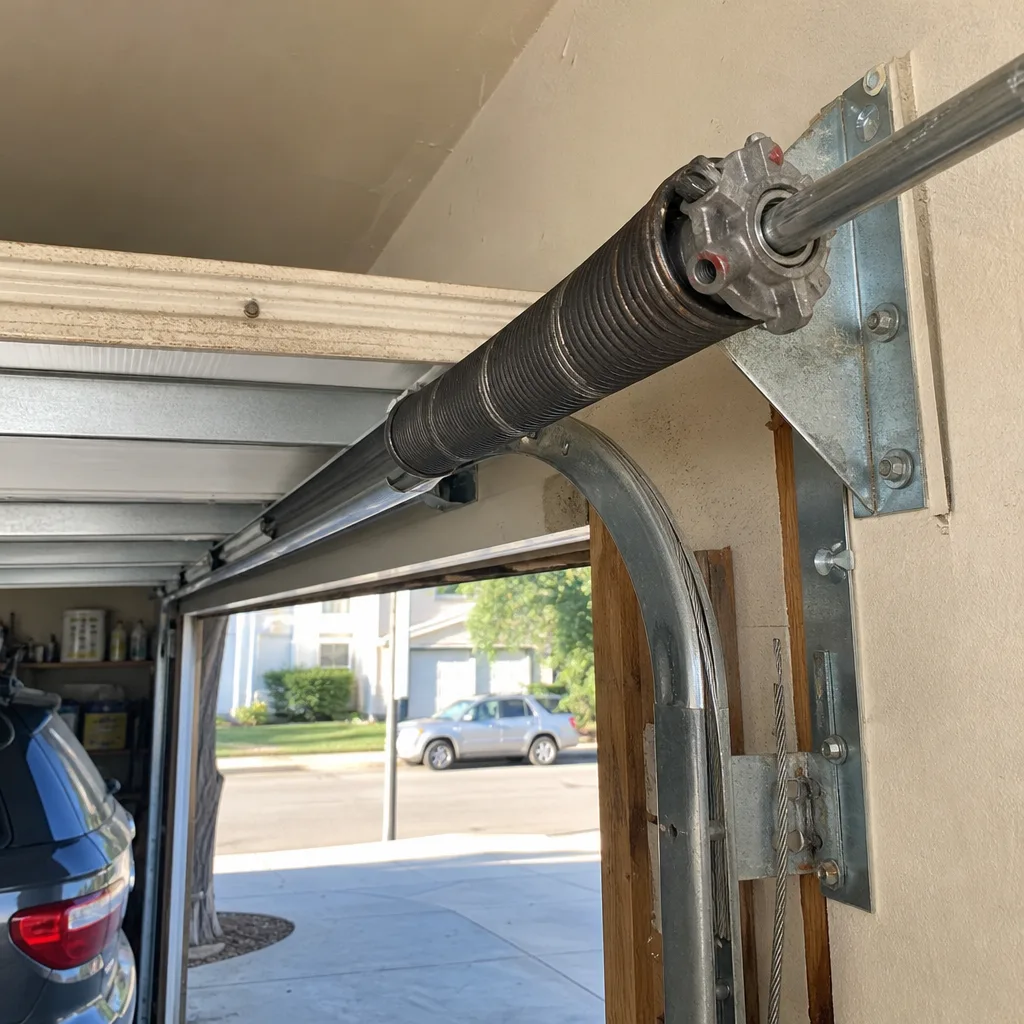
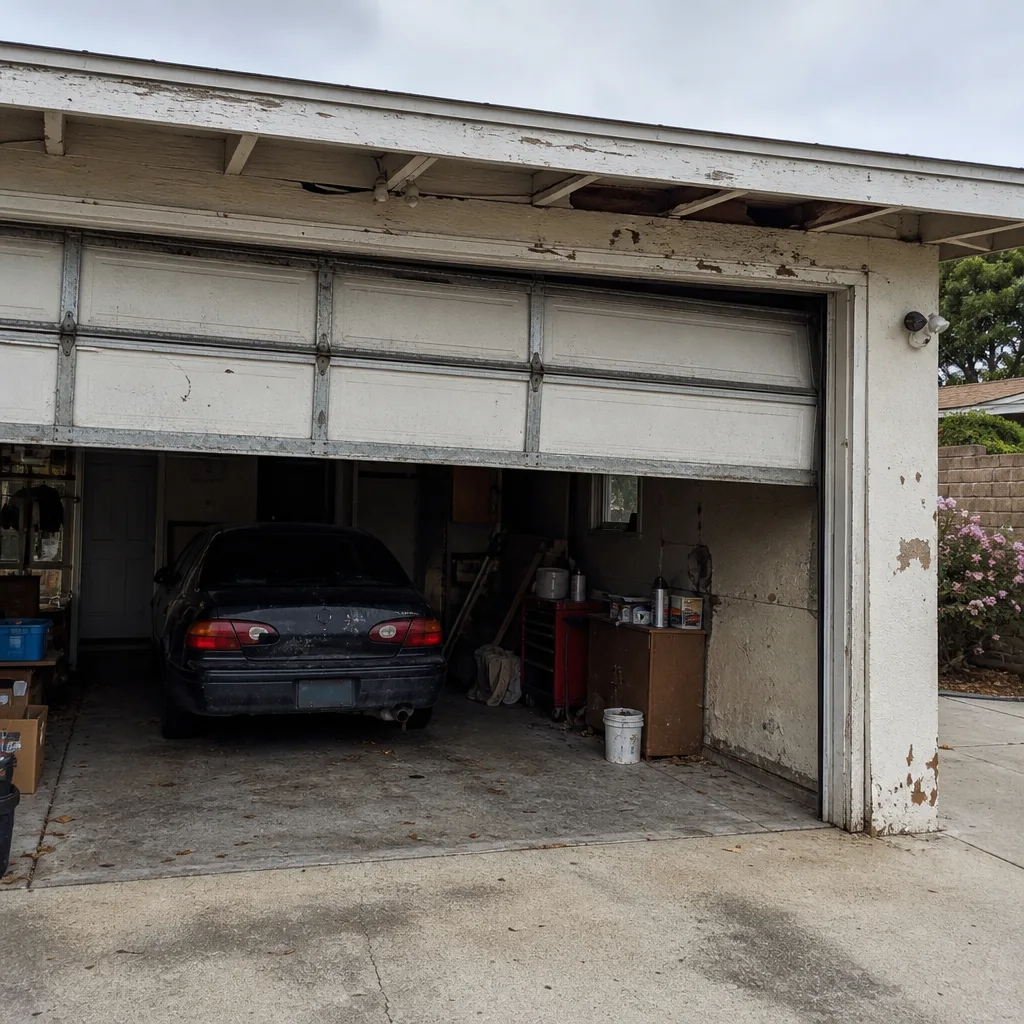 Before
 After
 Before
 After
 Before
 After